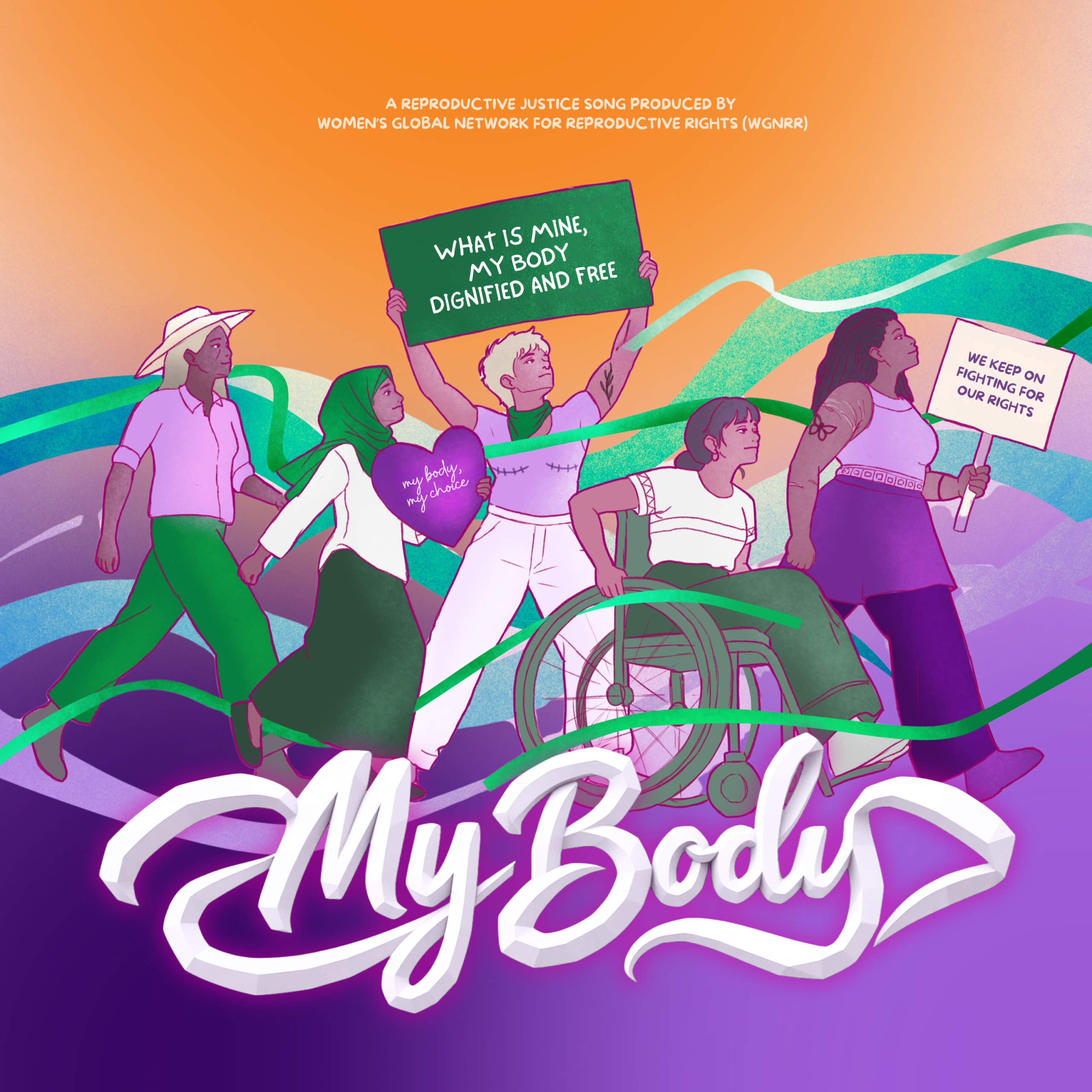
MY BODY
A global song for reproductive justice, bodily autonomy, and solidarity, bringing together artists from seven countries, seven creative traditions, and one collective call for dignity and freedom.
Press play. Carry the song with you.
Start the song here and continue exploring the artists, messages, and credits. Once playing, the audio controls will remain available as a compact floating player while you scroll.
Our bodies. Our voices. Our rights.
The Women’s Global Network for Reproductive Rights (WGNRR) is proud to release MY BODY, an original multilingual song celebrating bodily autonomy, reproductive freedom, dignity, care, and collective power.
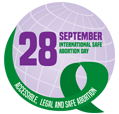
Created in commemoration of September 28, International Safe Abortion Day, the song concludes the Global Month of Action for Safe Abortion with a creative expression of solidarity and advocacy. It brings together artists and songwriters from Argentina, Benin, India, Kenya, Malaysia, Nepal, and the Philippines, with each artist contributing their voice, language, culture, and interpretation of reproductive justice.
Music as artivism and movement-building.
MY BODY grew from a collective vision to use music as a form of artivism and movement-building. Through original lyrics, multilingual performances, spoken word, rap, and different musical influences, the artists transform messages of bodily autonomy and reproductive justice into a shared global expression.
Who am I? I am me.
What is mine? My body.
Dignified and free.
These words affirm that our bodies belong to us, our choices matter, and everyone deserves access to dignity, freedom, care, and reproductive justice.
Across its verses, MY BODY challenges stigma, silence, discriminatory laws, and attempts to control people’s bodies and reproductive decisions. It also honours the courage of individuals and movements that continue to advocate for safe abortion, comprehensive reproductive healthcare, informed choice, and justice.
Many voices, one collective message
Each participating artist wrote and performed an original section in their own language, drawing from their cultural and creative contexts. Their individual contributions reflect different experiences and realities, while carrying a shared message: no one should be denied the right to make free and informed decisions about their own body and reproductive life.
The collaboration demonstrates the power of art to connect movements across borders. While the artists bring distinct sounds, languages, and stories, their voices come together to call for bodily autonomy, collective care, and solidarity in action.
Carry the song across platforms.


Spotify
Listen on Spotify ↗
YouTube
Watch on YouTube ↗
YouTube Music
Listen on YouTube Music ↗Seven countries. Many languages.
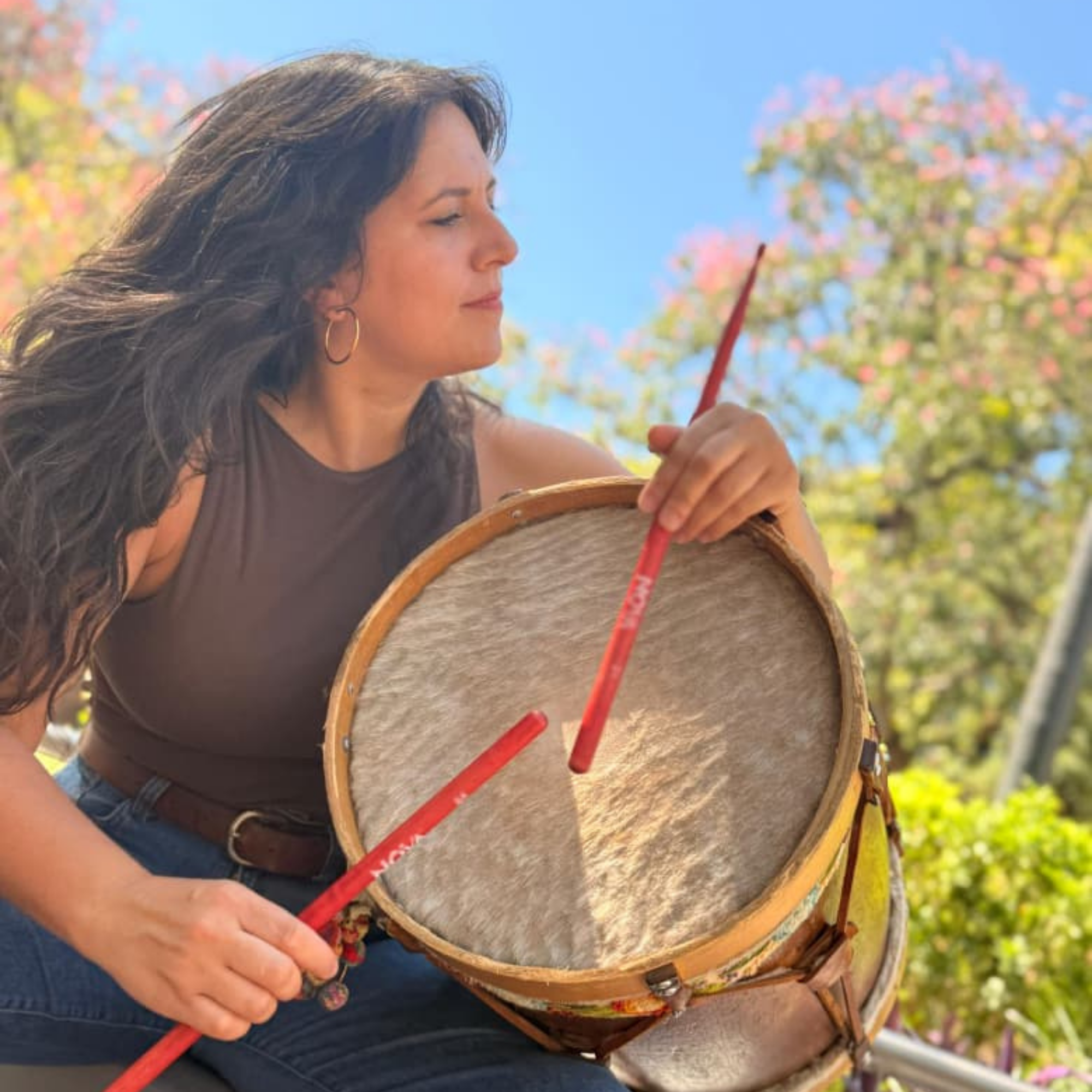
Rocío Ábalos
📍 Argentina
Rocío Ábalos is a singer, bombo drummer, educator, composer, DJ and cultural organiser based in Buenos Aires. Her artistic journey is deeply rooted in Argentine and Latin American folk traditions, bringing a sensitive, socially engaged and collective perspective to popular music, dance and the role of women in the arts.
@rociosanabalos ↗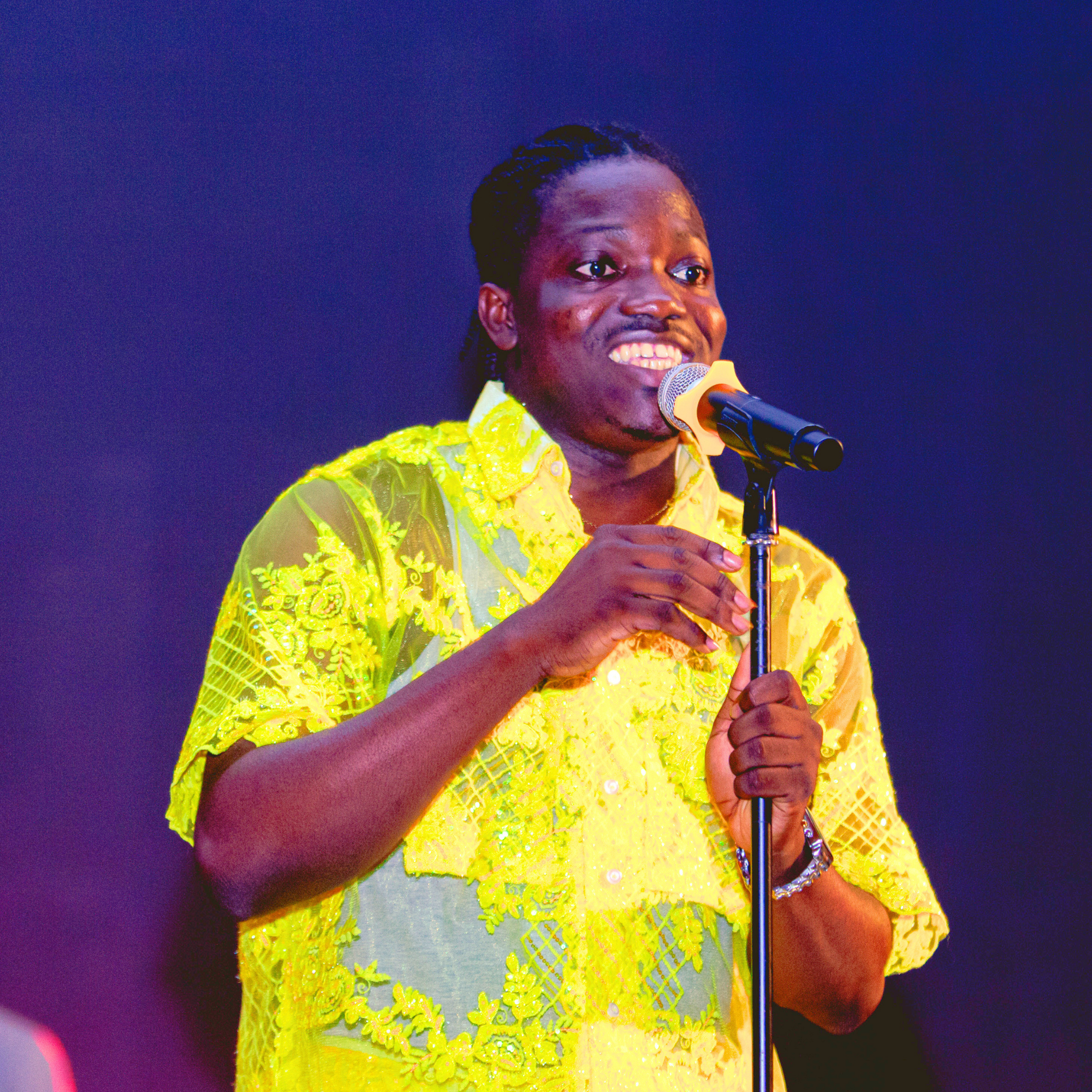
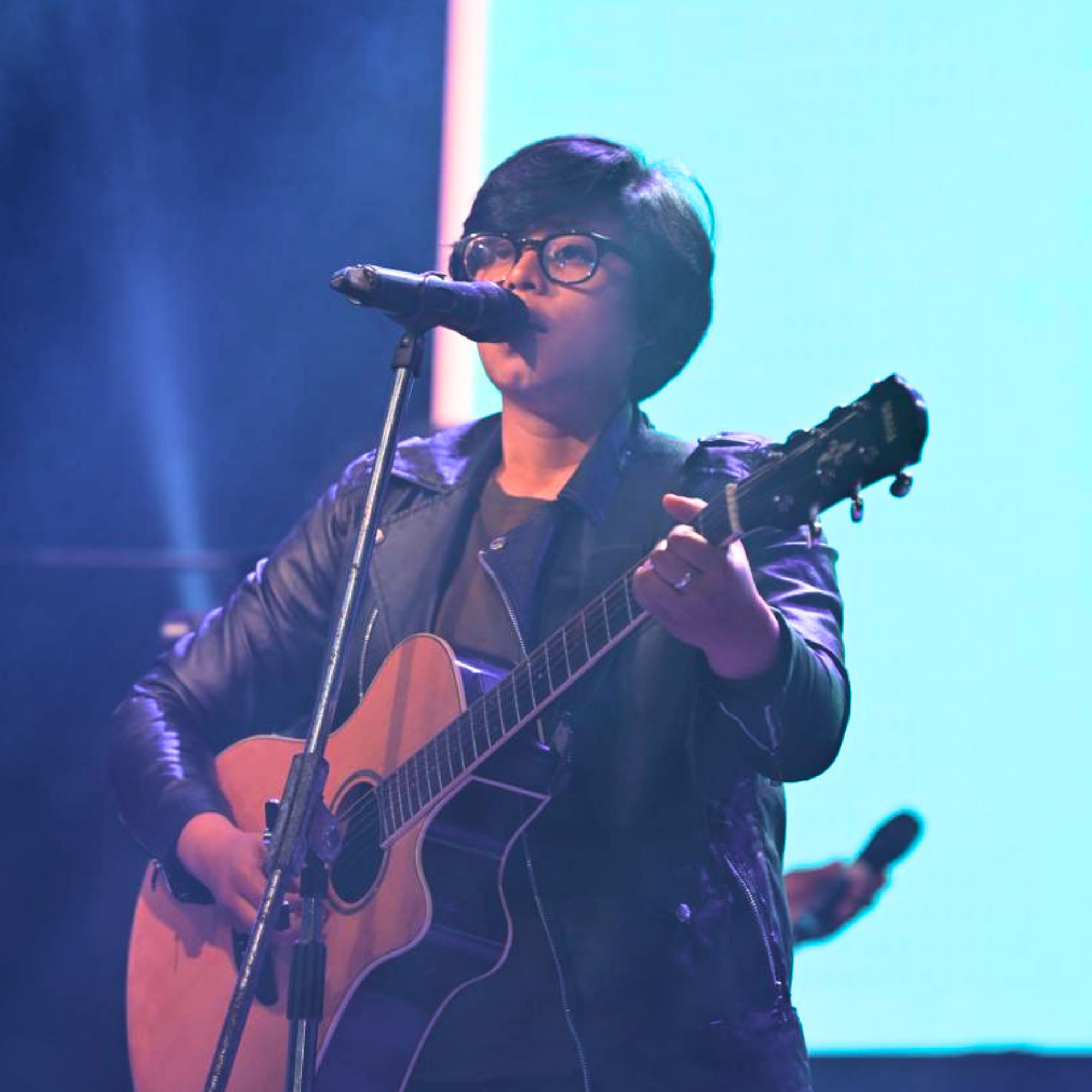
Lauteux Gbènan-Hossou DOSSOU-YOVO
📍 Benin
Known as Laudos, Lauteux is a multidisciplinary artist, slam poet, storyteller, actor and activist who has brought spoken-word arts to life since 2012. He combines artistic creation, eloquence and civic engagement in support of human rights, gender equality, dignity, and adolescent and youth sexual and reproductive health.
Tripti Martin
📍 India
Exposed to classic rock at a young age, Tripti also draws inspiration from her family, particularly her father, who was a singer and guitarist. A self-taught musician, she explores human relationships and vulnerabilities through cross-genre compositions, including her debut single “Stuck for You.”
@triptimartin ↗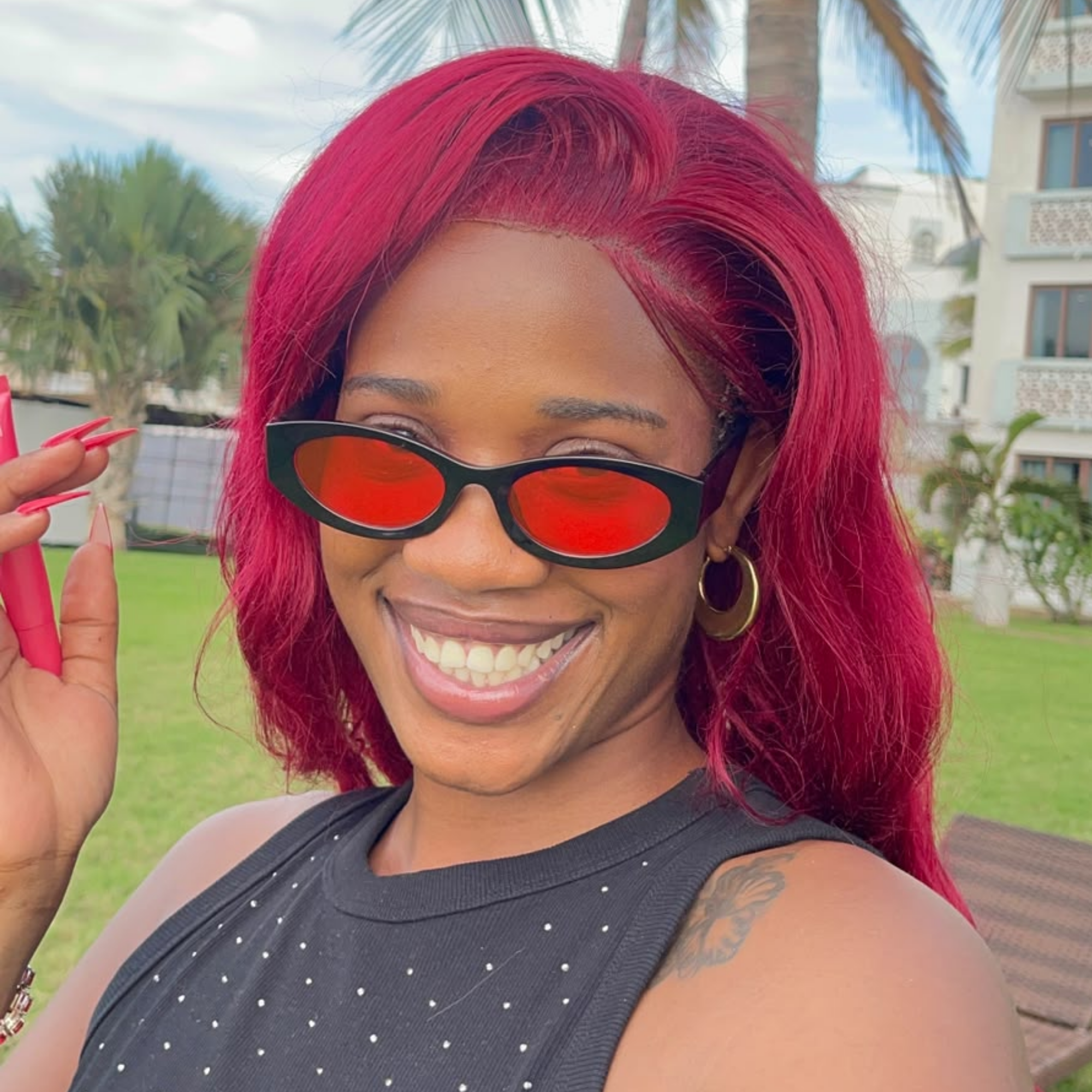
Nzyzi
📍 Kenya
Nzisa Zawede is a Kenyan artist and songwriter creating music rooted in identity, freedom, womanhood, and self-expression. Drawing from her African roots and feminist storytelling practice, her sound is a space for honesty, emotion, imagination, and the freedom to take up space.
@nzyzi_ ↗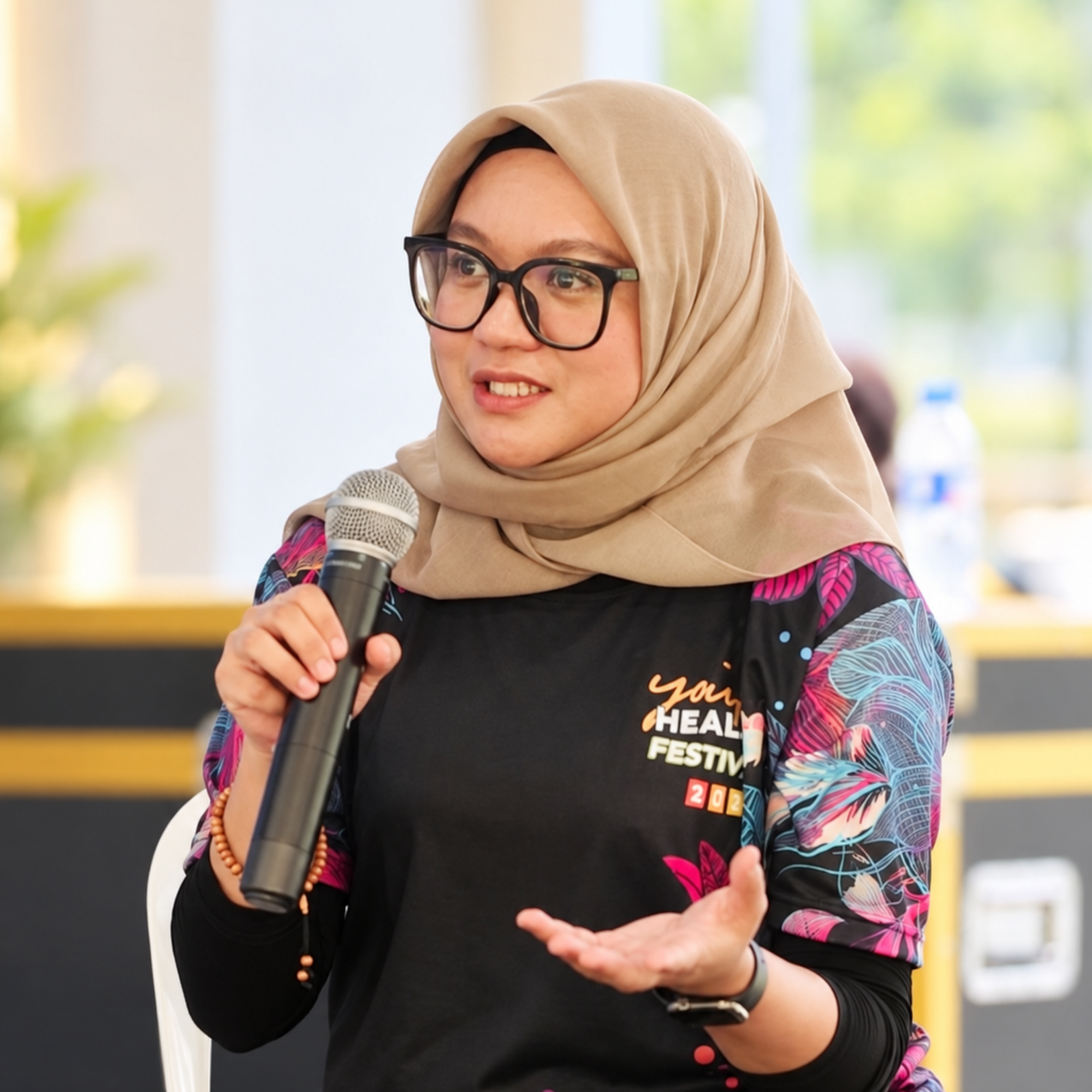
Nuraini Rudi
📍 Malaysia
Nuraini is a public health practitioner from Kelopak Gugur, a community initiative focused on reproductive health, abortion information and support. Her work centres reproductive justice, bodily autonomy, and access to clear, compassionate and non-judgmental information.
@nurainirudi ↗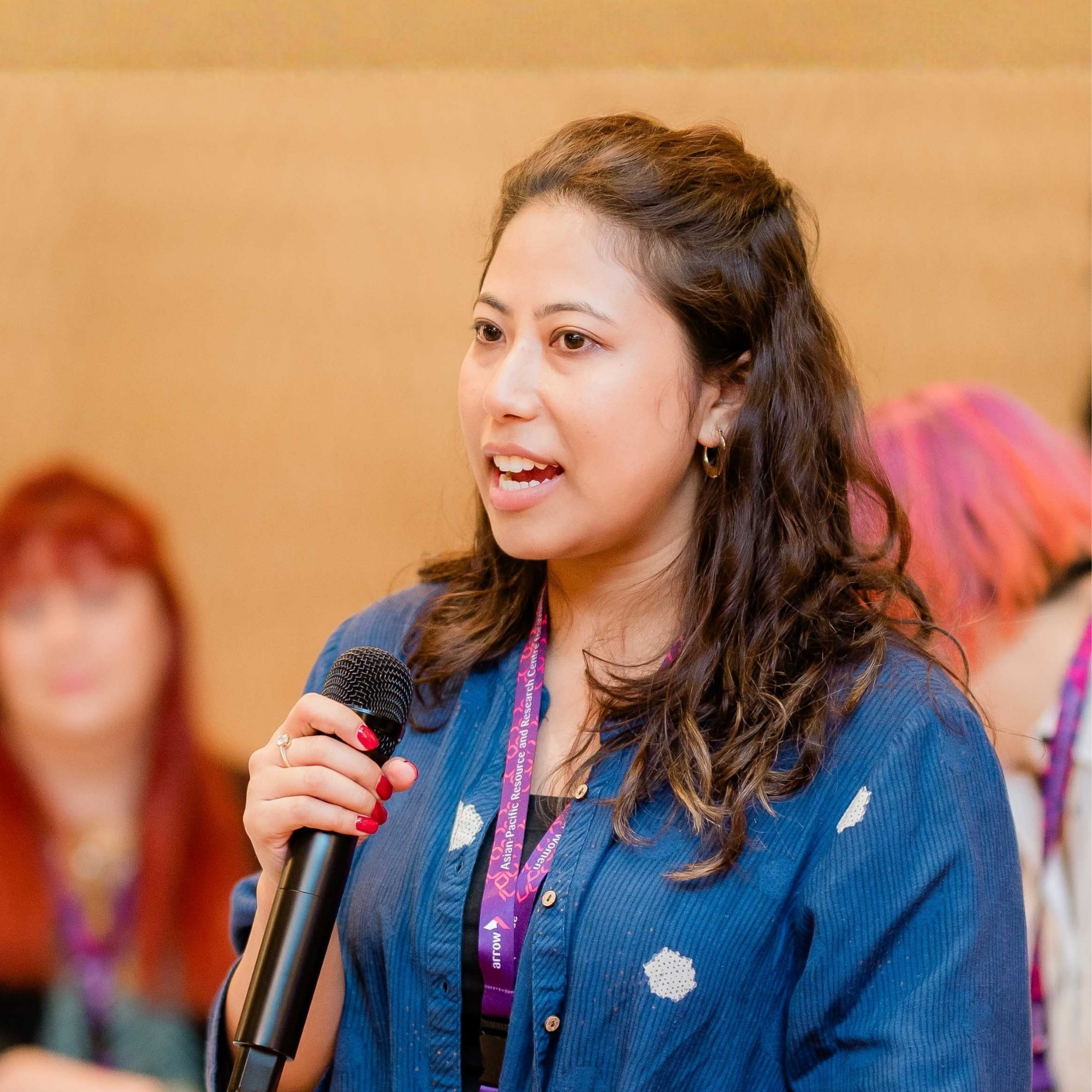
Pushpa Joshi
📍 Nepal
Pushpa Joshi is a gender and SRHR advocate and interdisciplinary creative practitioner. Her work explores gender, sexuality, reproductive justice, identity, and the lived experiences of marginalised communities through her engagement with SRHR and feminist movements.
LinkedIn ↗Tao
📍 Philippines
Tao has been writing songs on and off for the last 20 years. Their most recent project was Oriang, released in 2024, which memorialises stories of forgotten Filipino heroes.
@taopantalohnez ↗The Global Month of Action may have passed, but the fight will continue every day.
Through MY BODY, we invite advocates, artists, partners, and communities to carry the rhythm of solidarity beyond September 28. Listen to the song, share it with your networks, use it in movement spaces, and continue creating room for every body, every choice, and every story.
Our bodies. Our voices. Our rights.
Created through collective care.
Women’s Global Network for Reproductive Rights (WGNRR), under the Kaleidoscope and Sang pour Sang projects
Mariel “Mavi” Nerviol
Nawmi Naz Chowdhury
Kristine Chan
Calix
Rocío Ábalos · Lauteux Gbènan-Hossou DOSSOU-YOVO · Tripti Martin · Nzyzi · Nuraini Rudi · Pushpa Joshi · Tao
Joie Cortina and Anukriti — WGNRR
Mariana Vazquez — CLACAI
Amy Wong · Pinki Singha · Sangeetha Permalsamy · Joliane ATTOLOU