2026 International Safe Abortion Day Campaign Toolkit
This toolkit is developed by the Women’s Global Network for Reproductive Rights (WGNRR) for International Safe Abortion Day 2026, as part of our commitment to strengthening the reproductive rights movement through collective campaigning, solidarity, and coordinated action under the Kaleidoscope Initiative.
It supports advocates, organisations, and movement partners in amplifying shared messages, mobilising collective action, and advancing reproductive justice and access to comprehensive abortion care.
Section 1
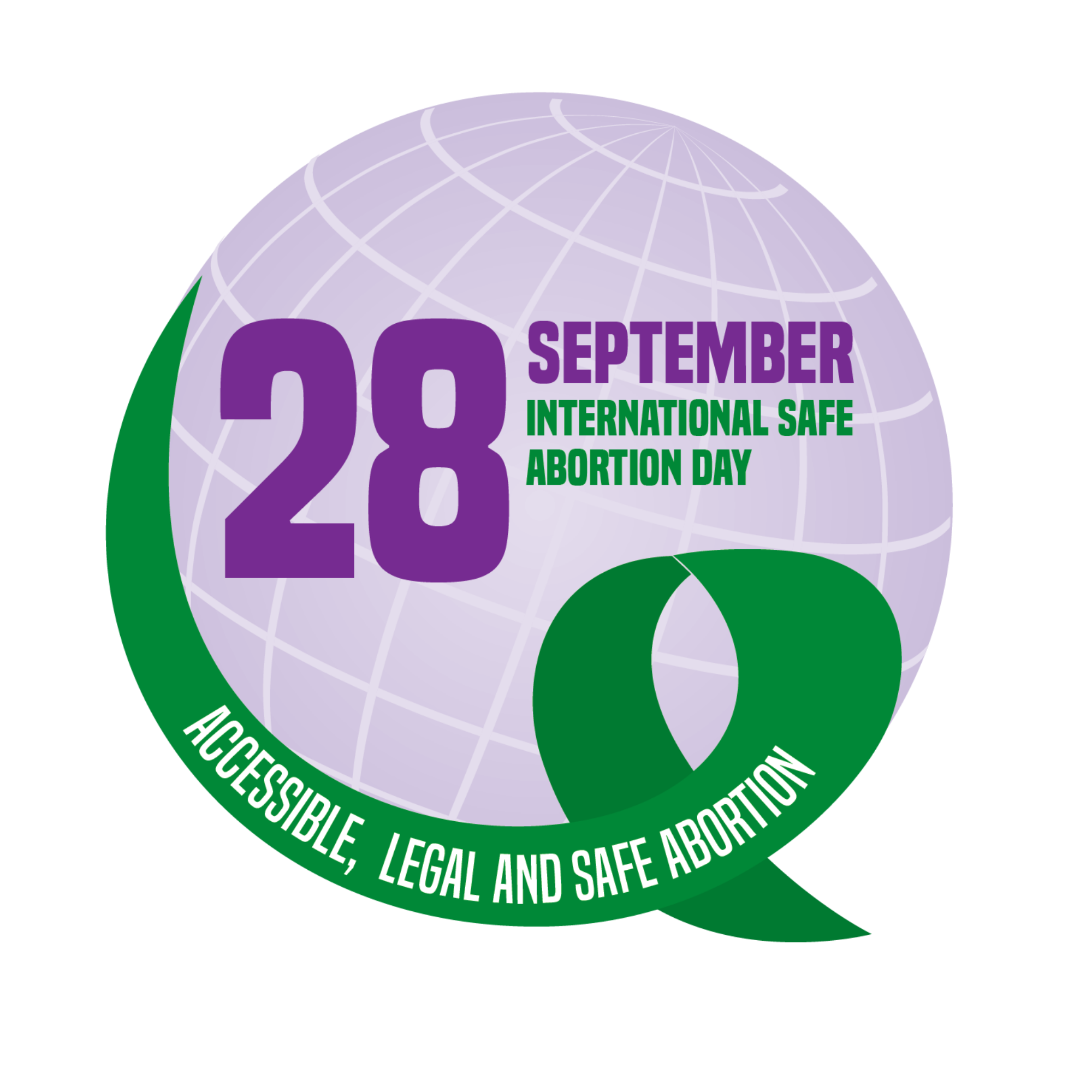
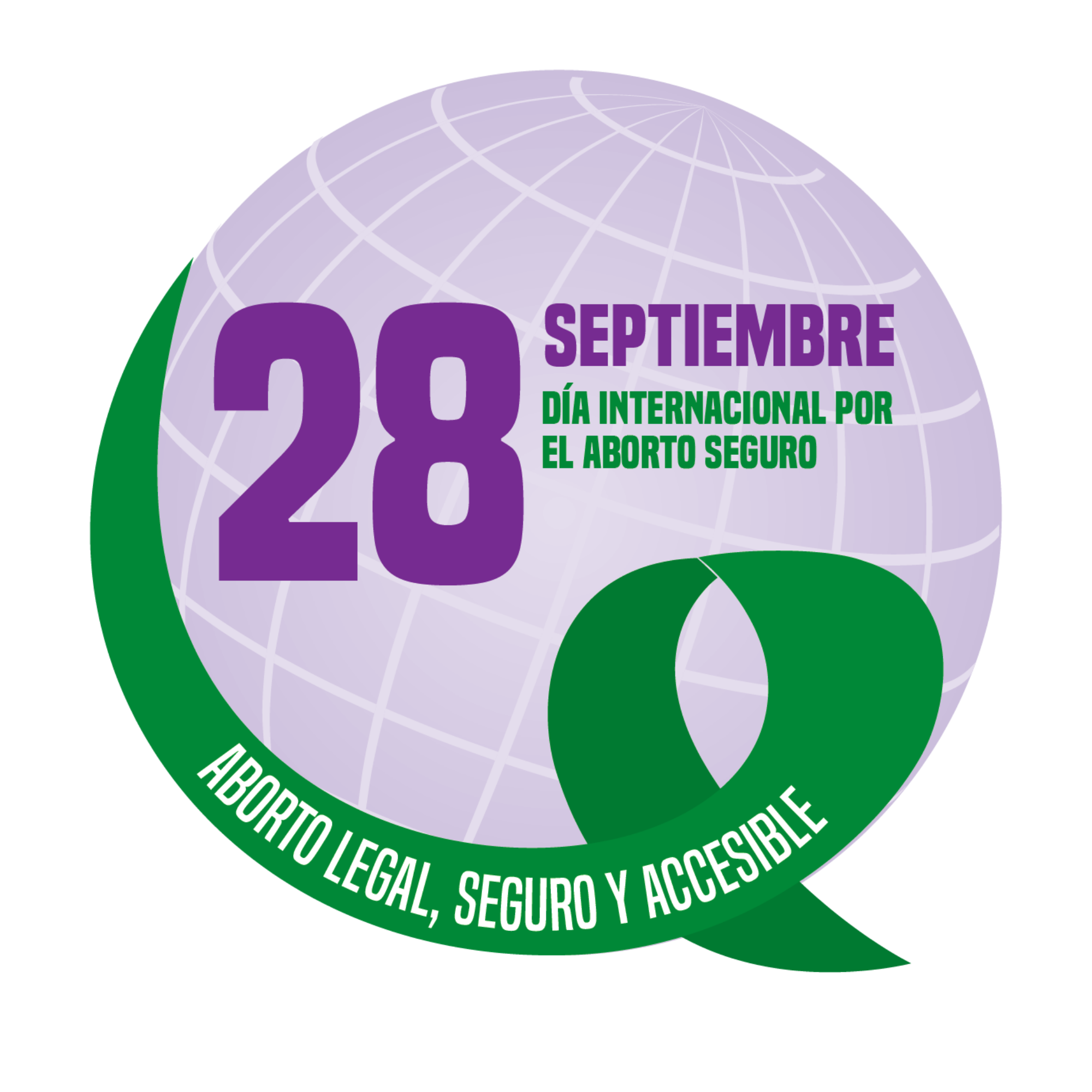
September 28 logos
Official campaign logos, available in English, French, and Spanish.

Section 2
Digital assets
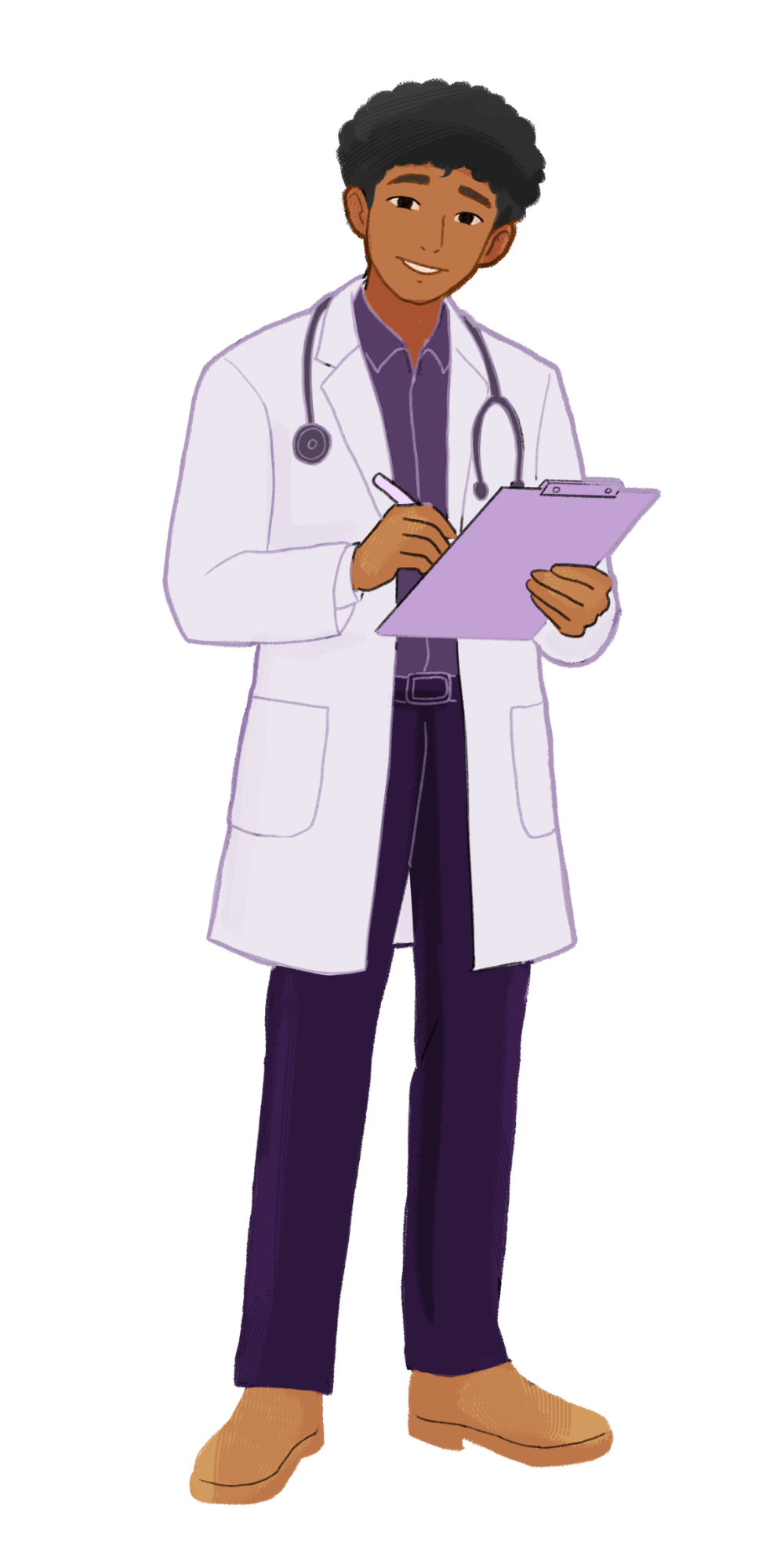
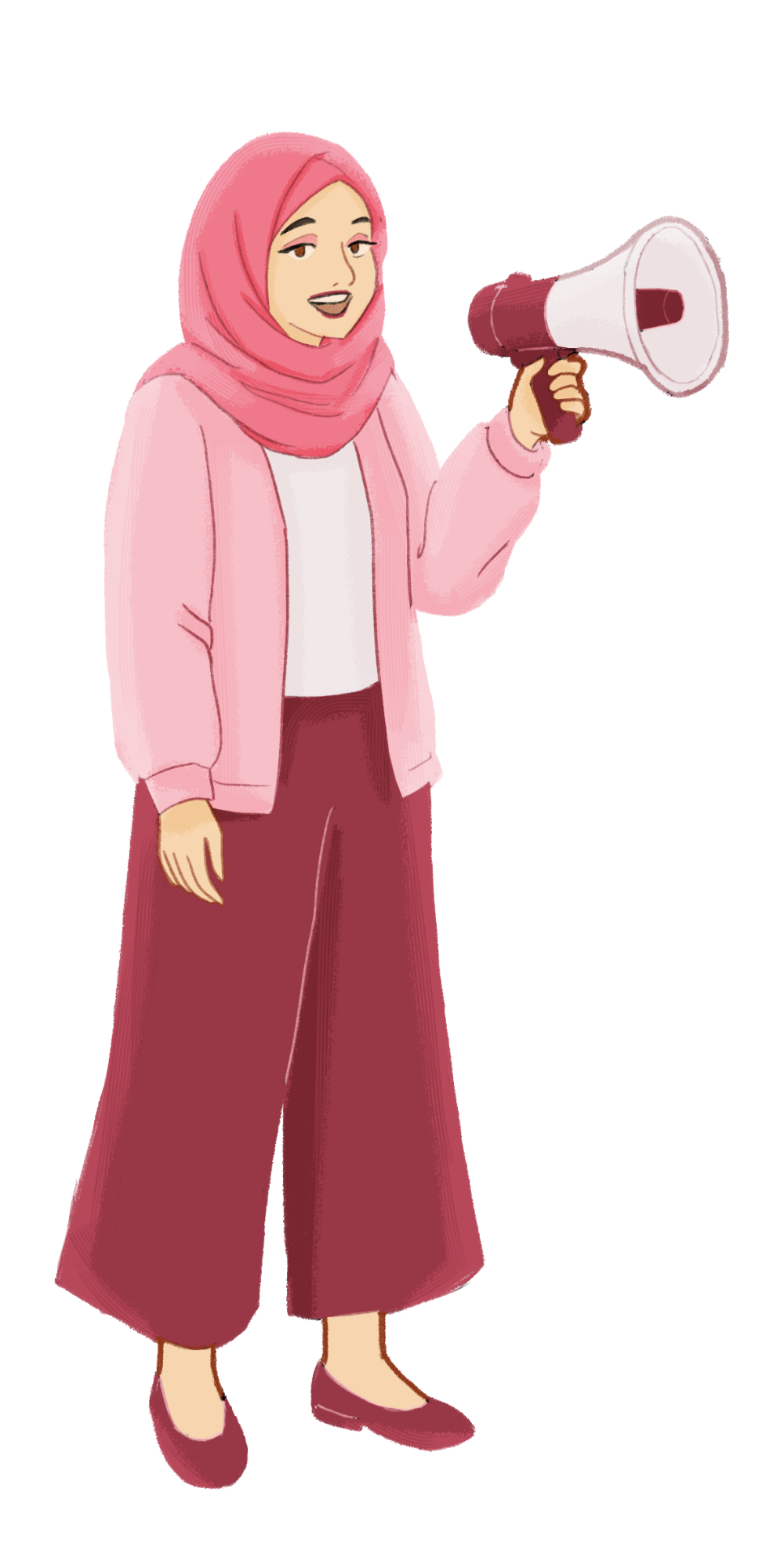
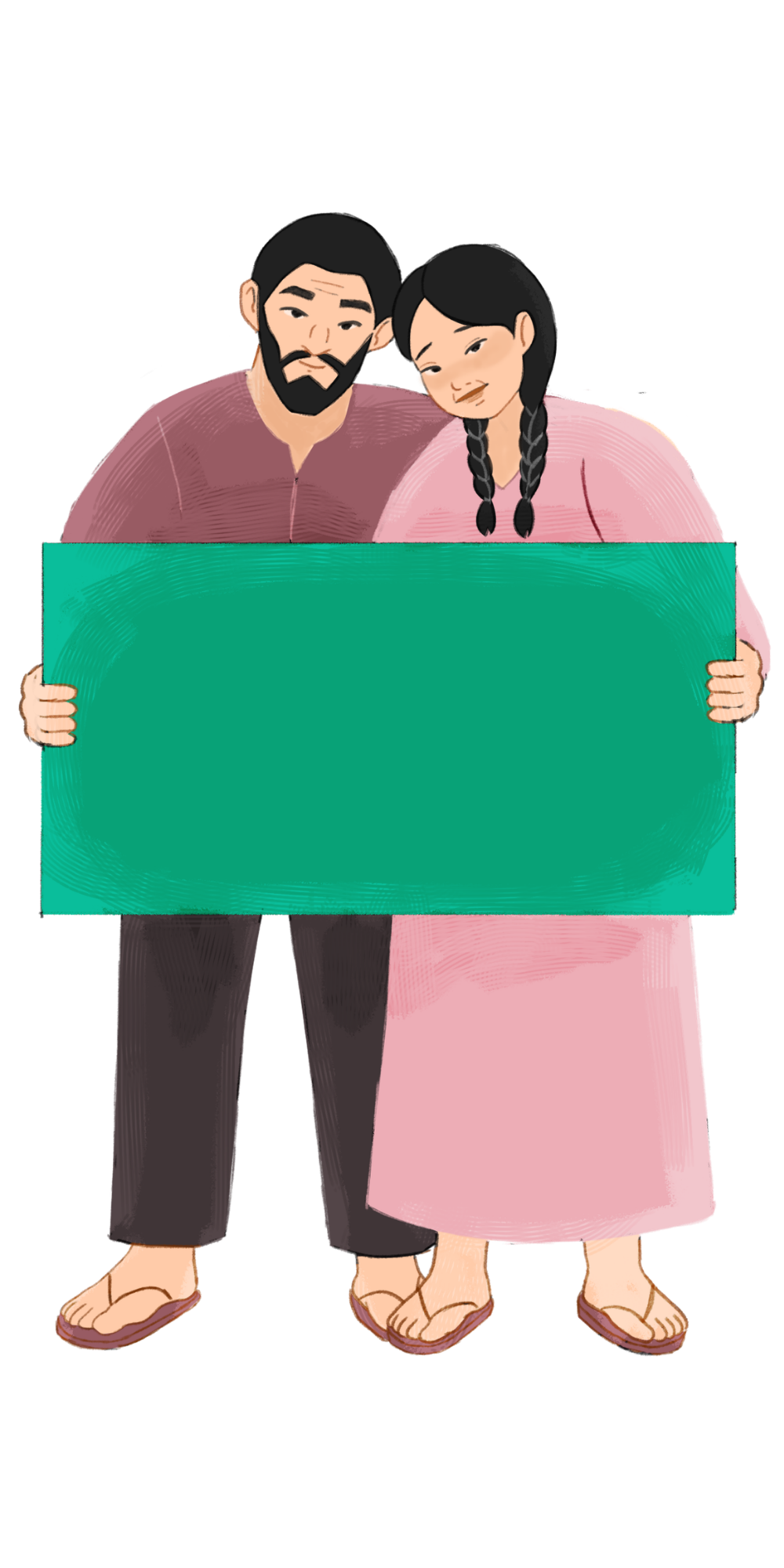
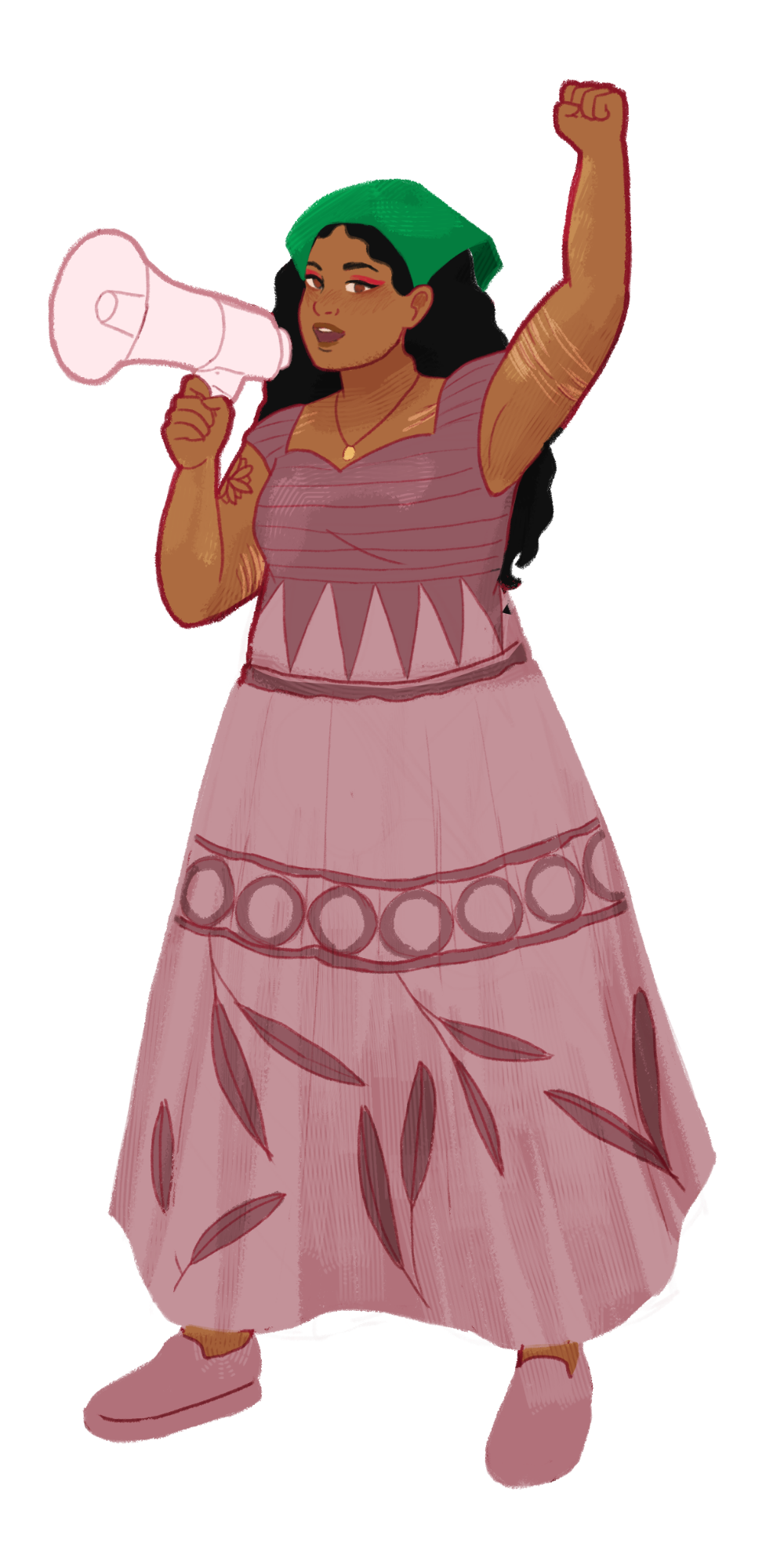
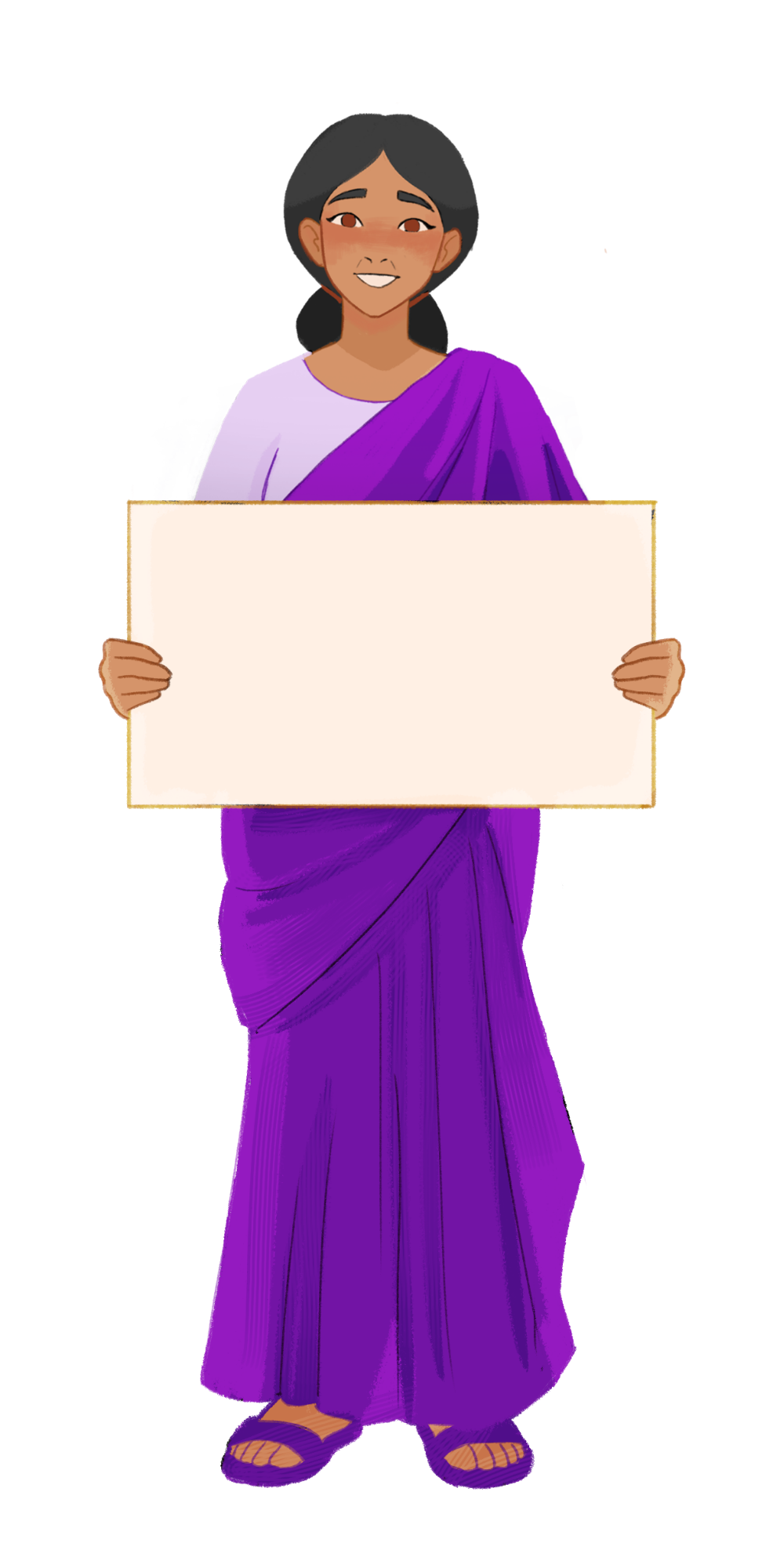
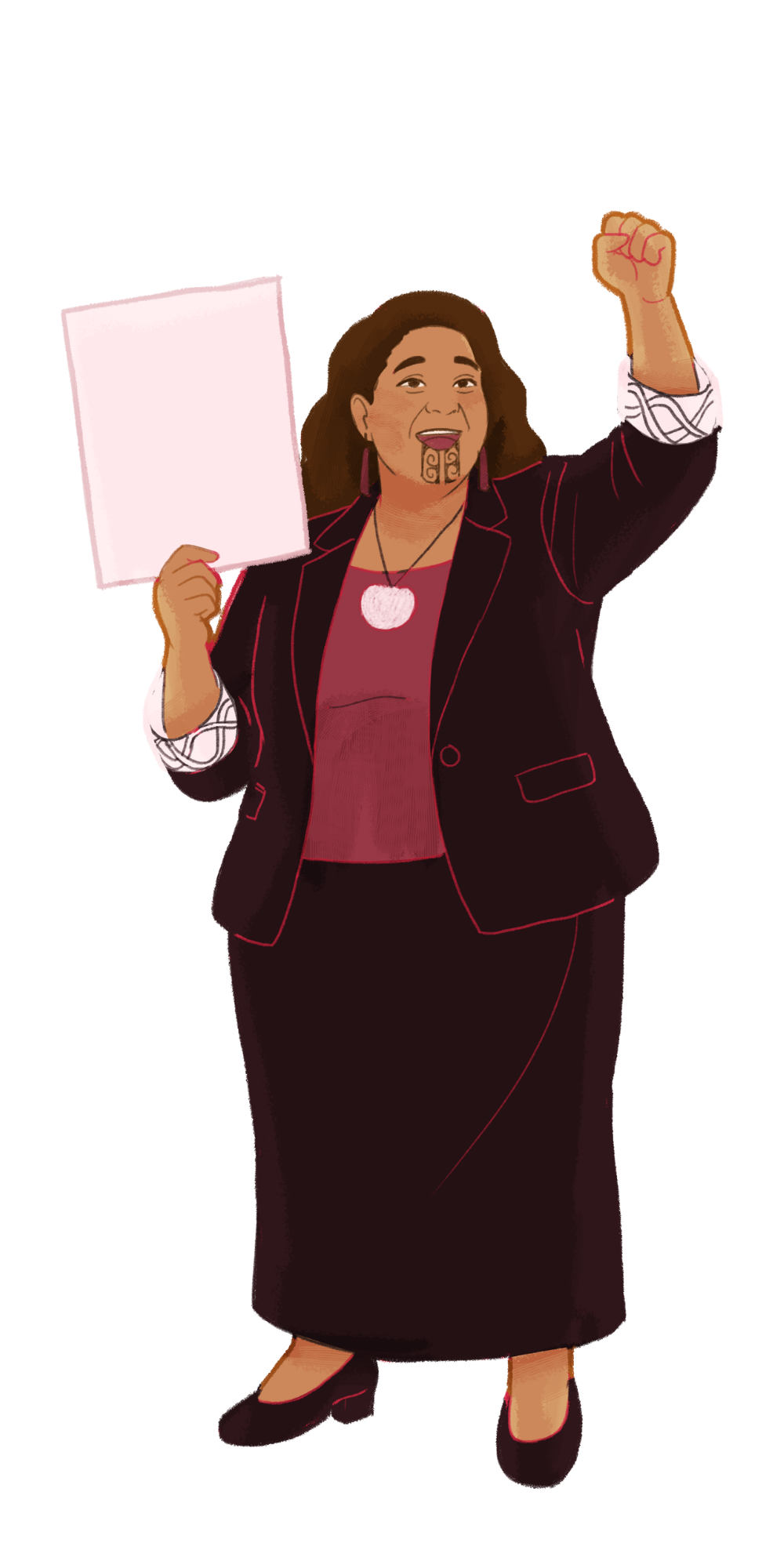
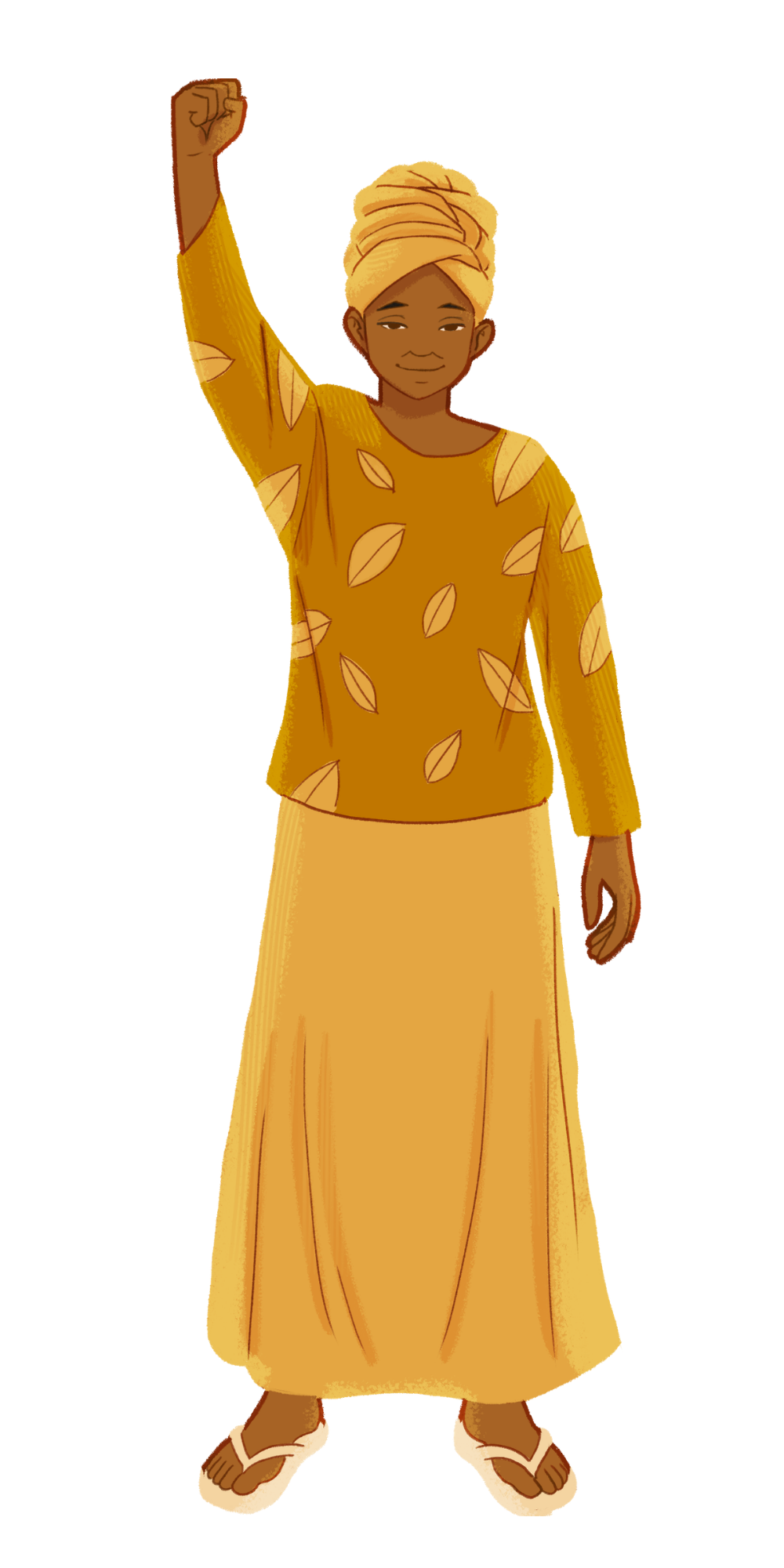
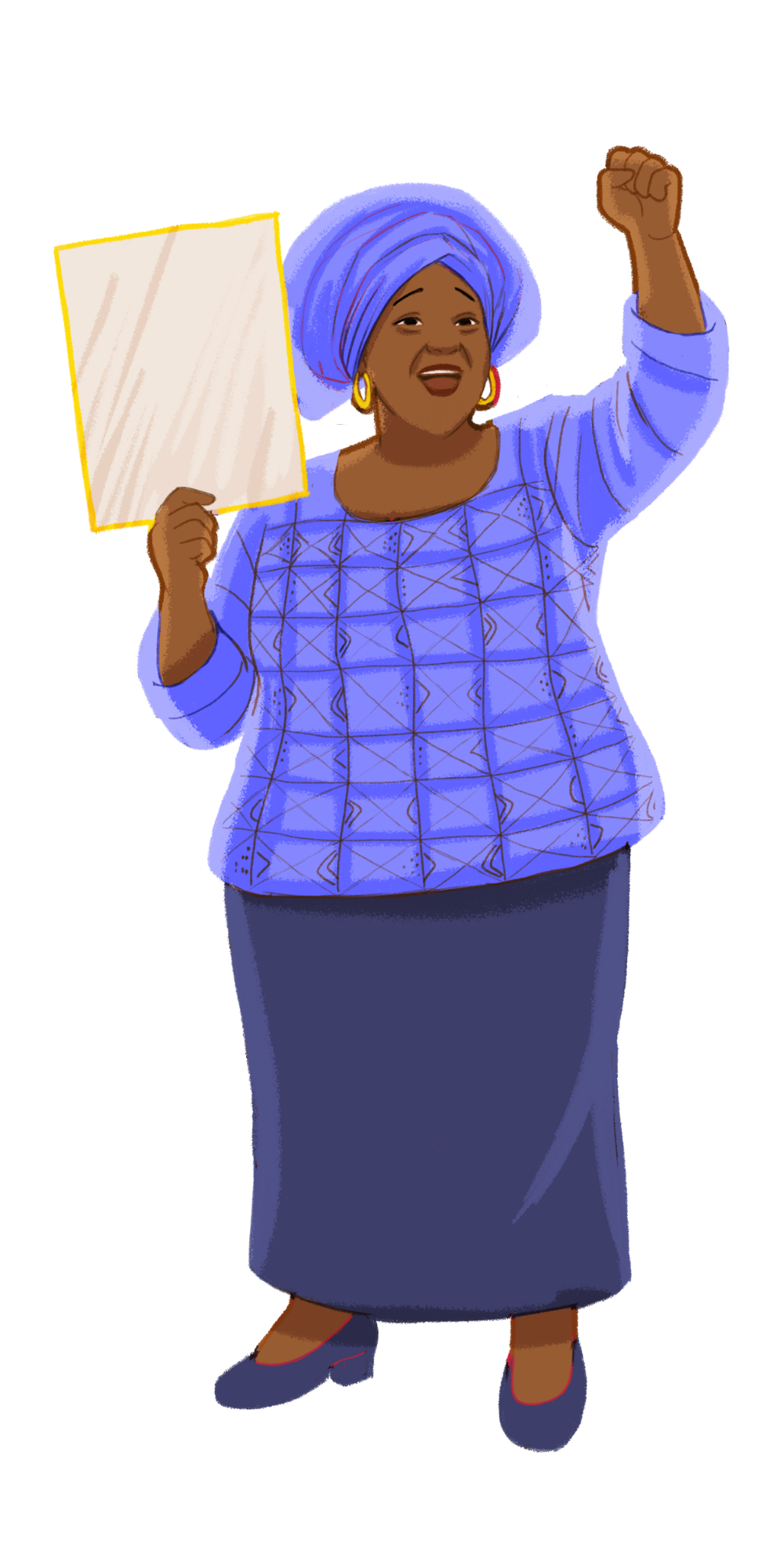
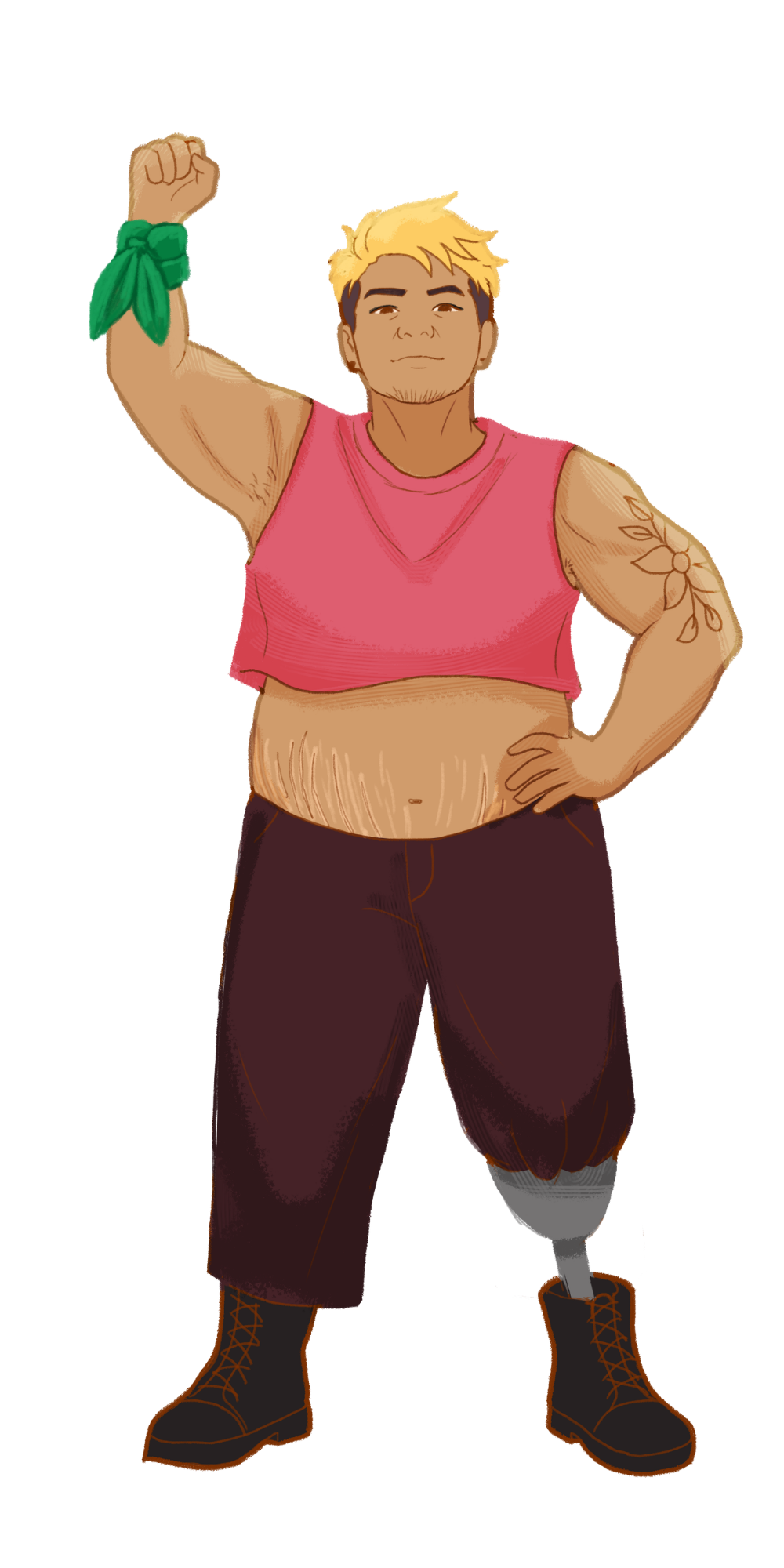
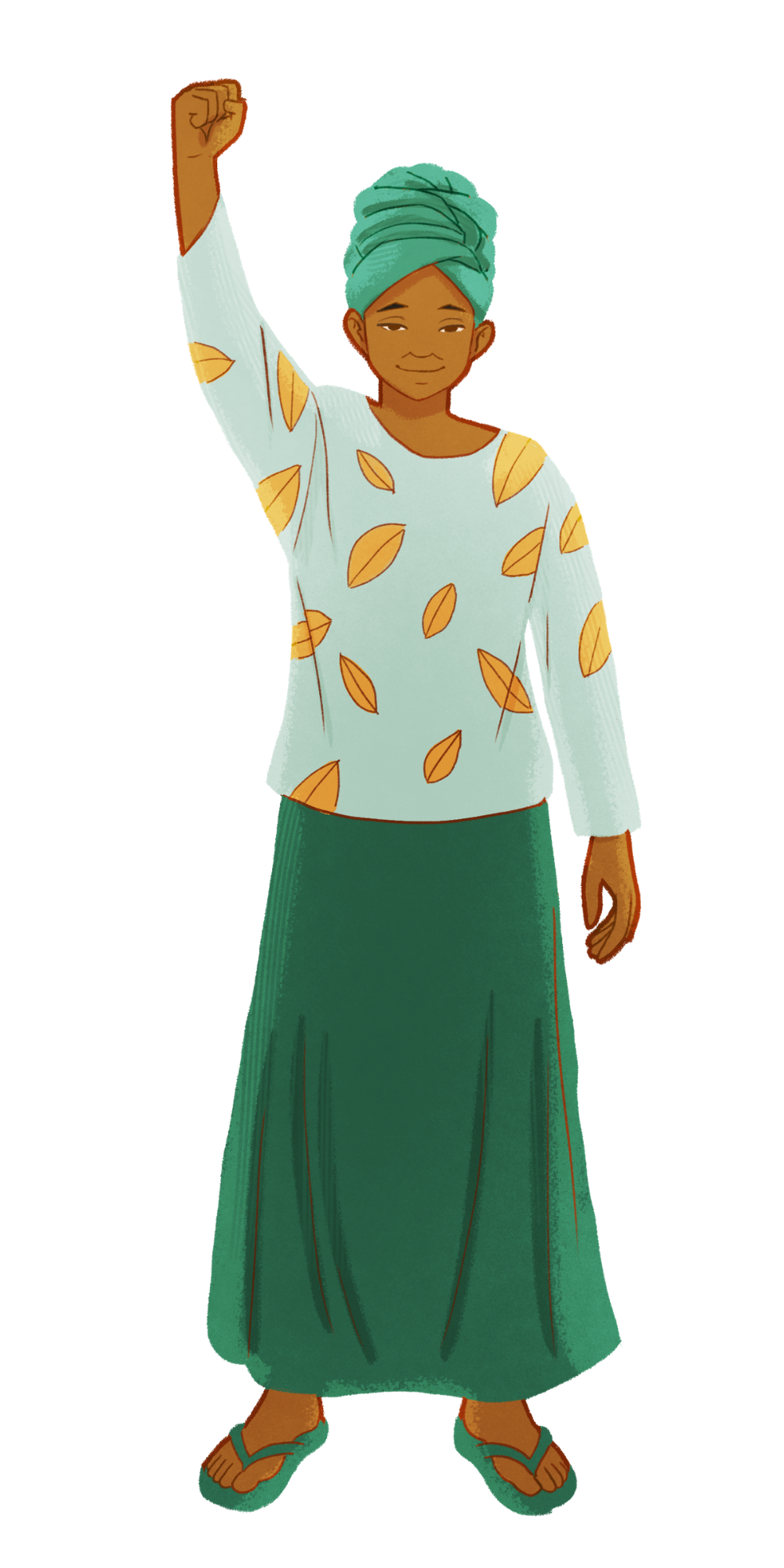
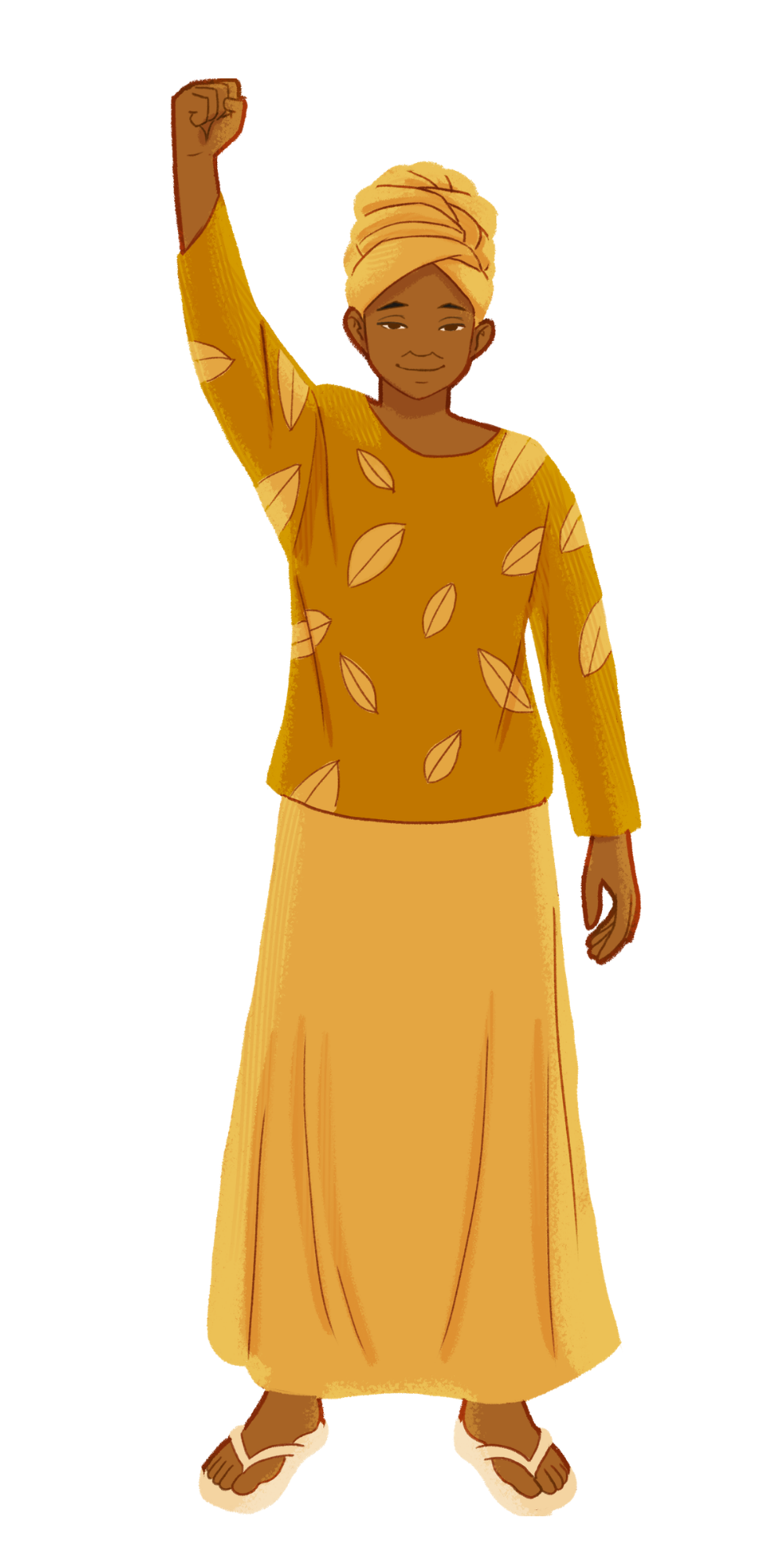
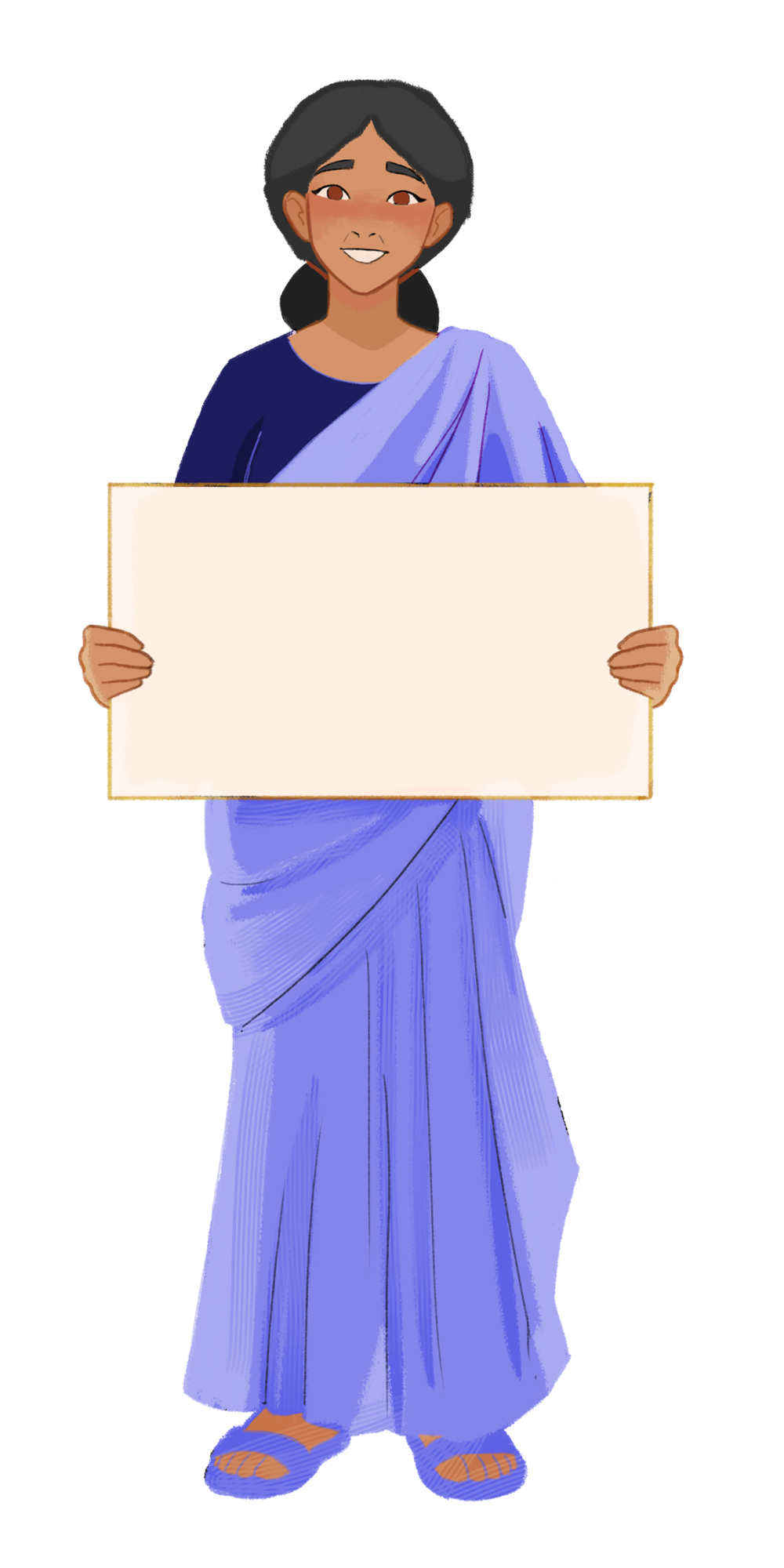
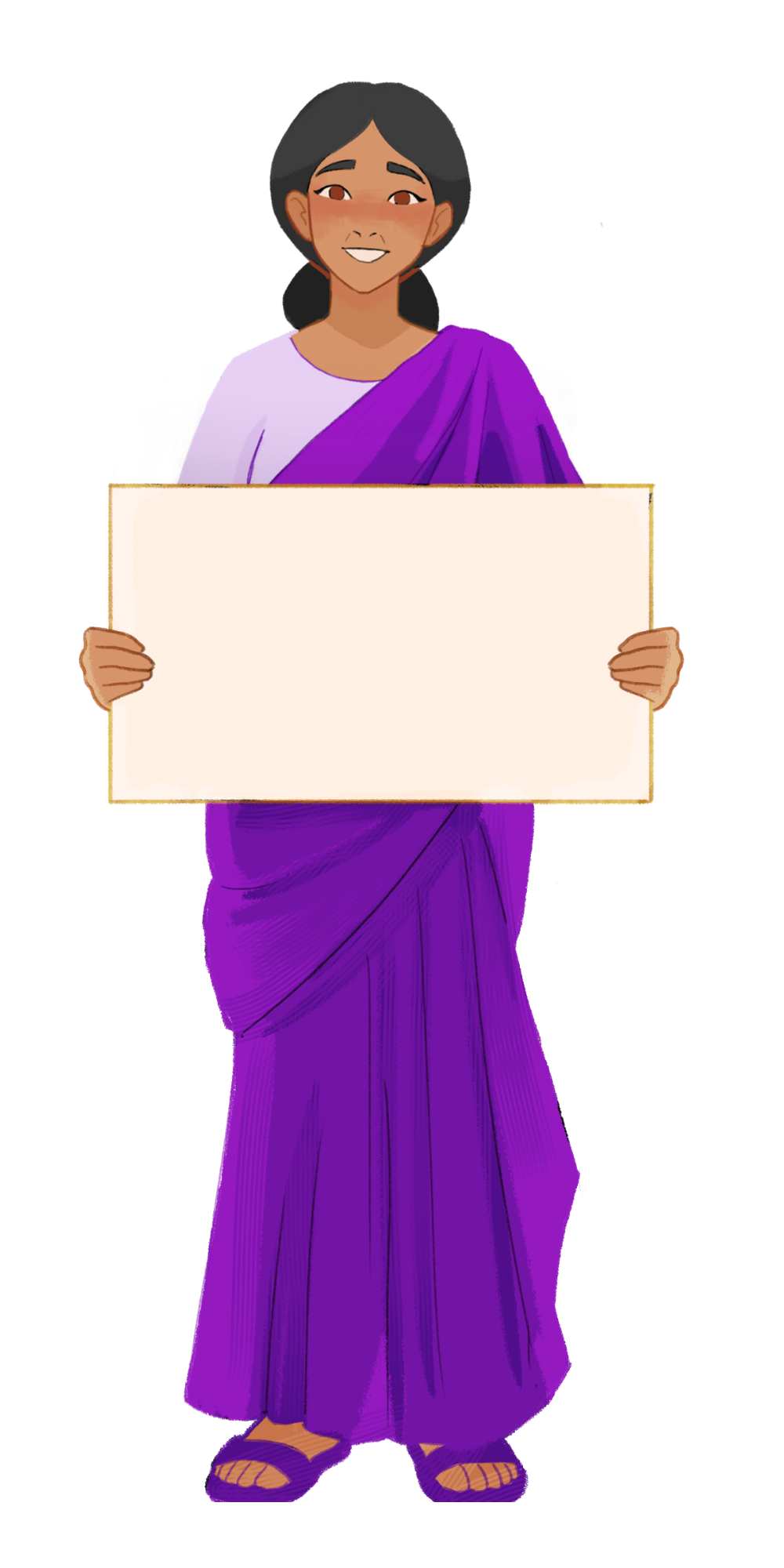
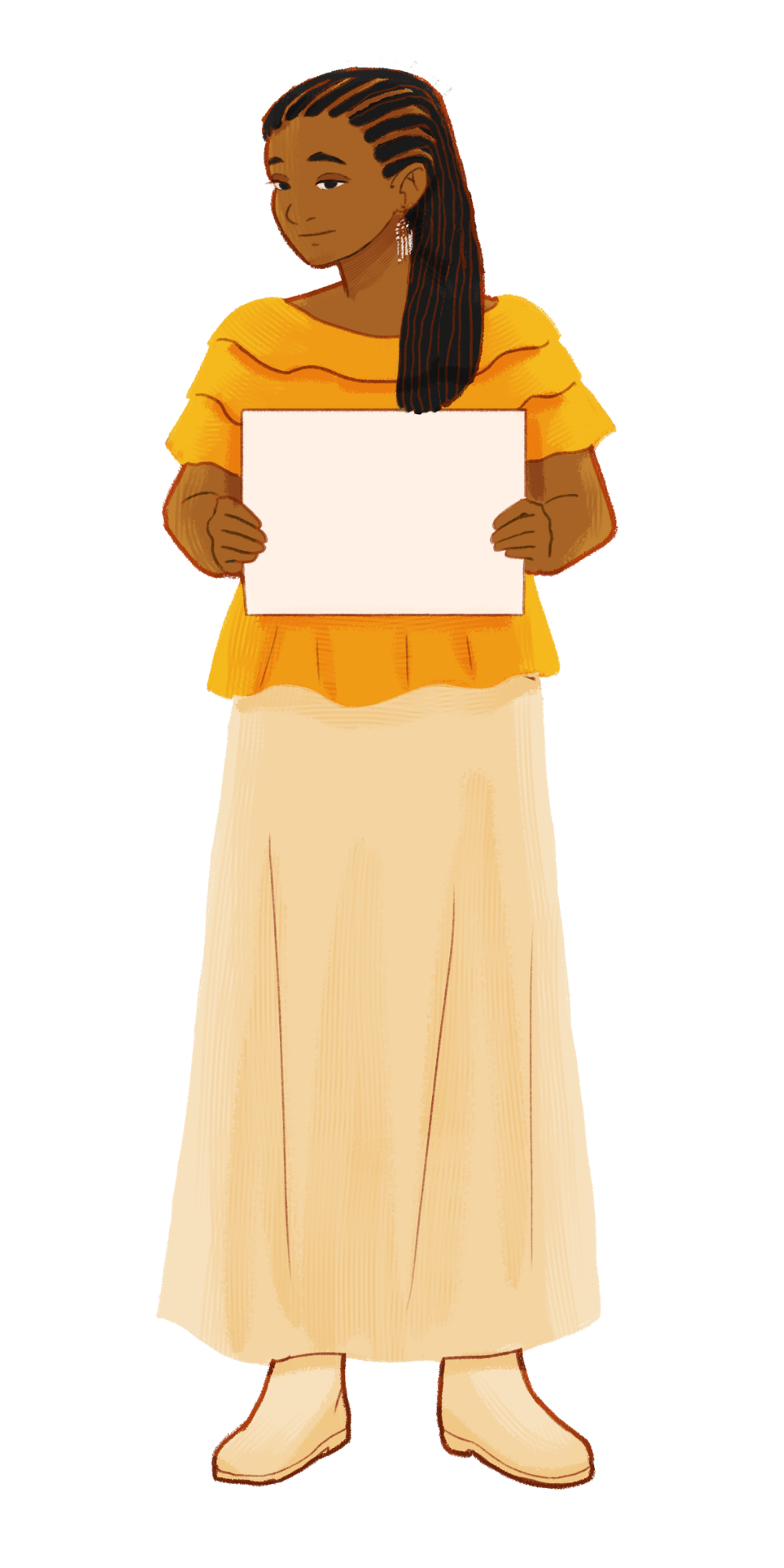
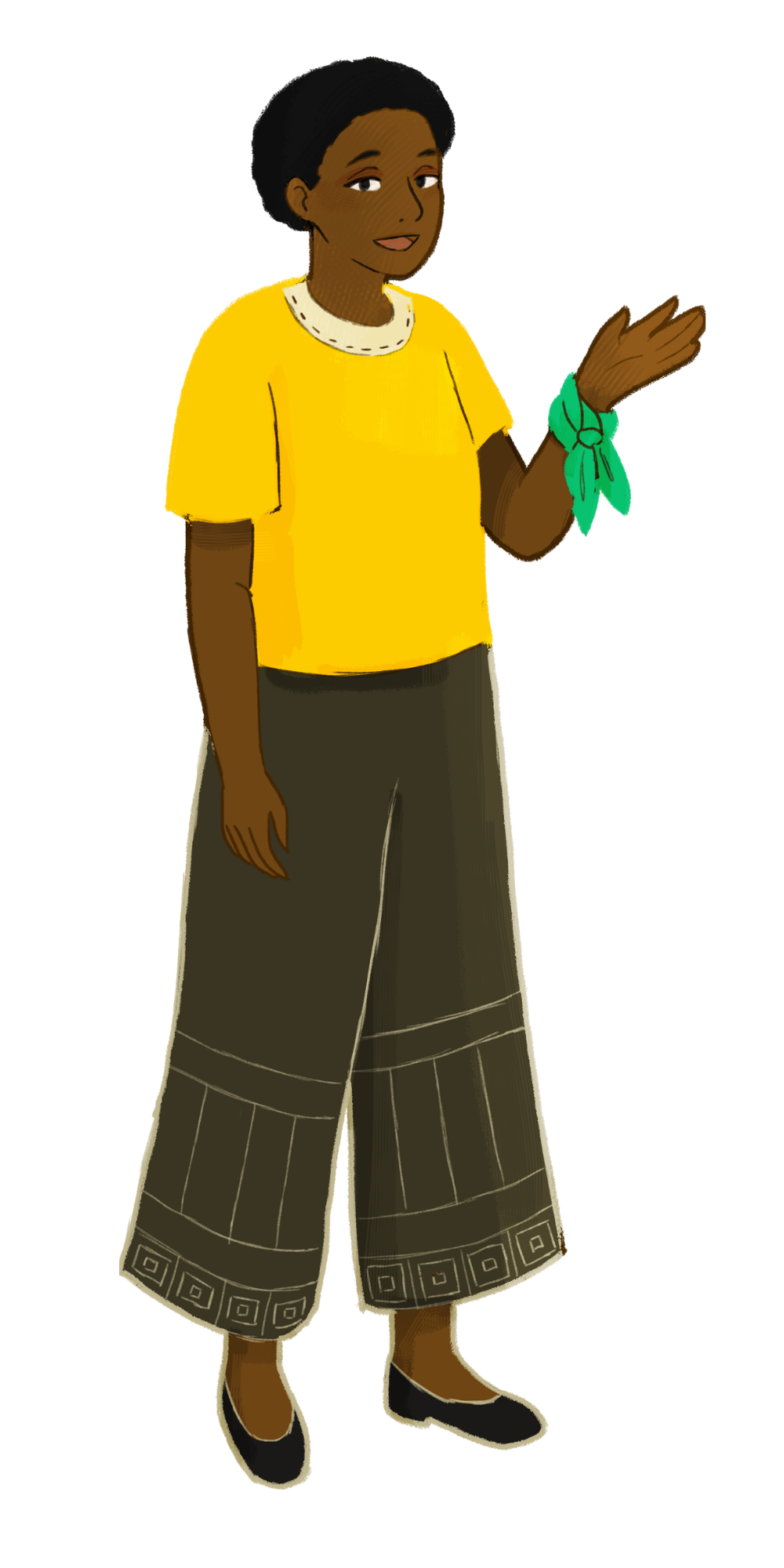
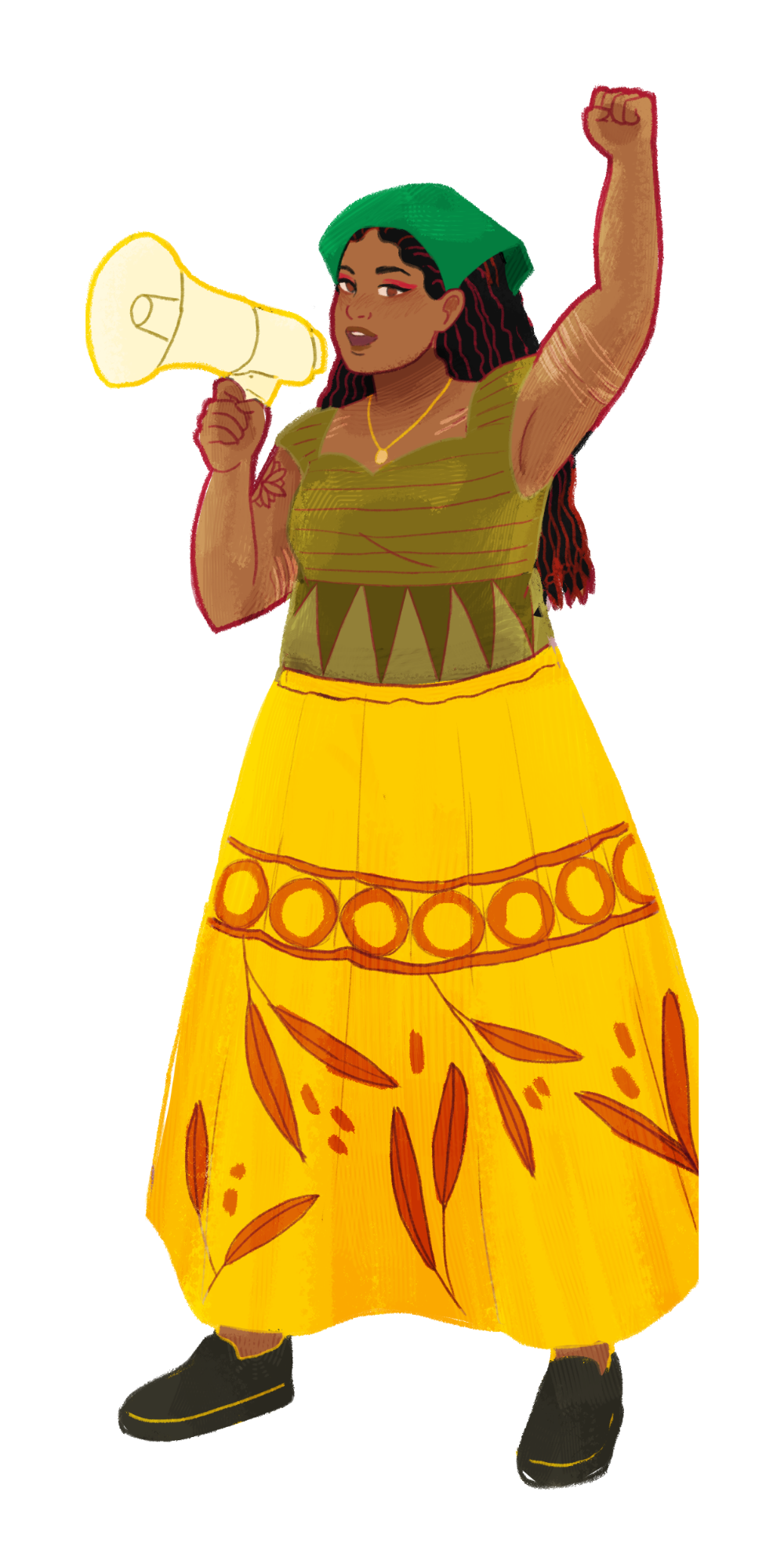
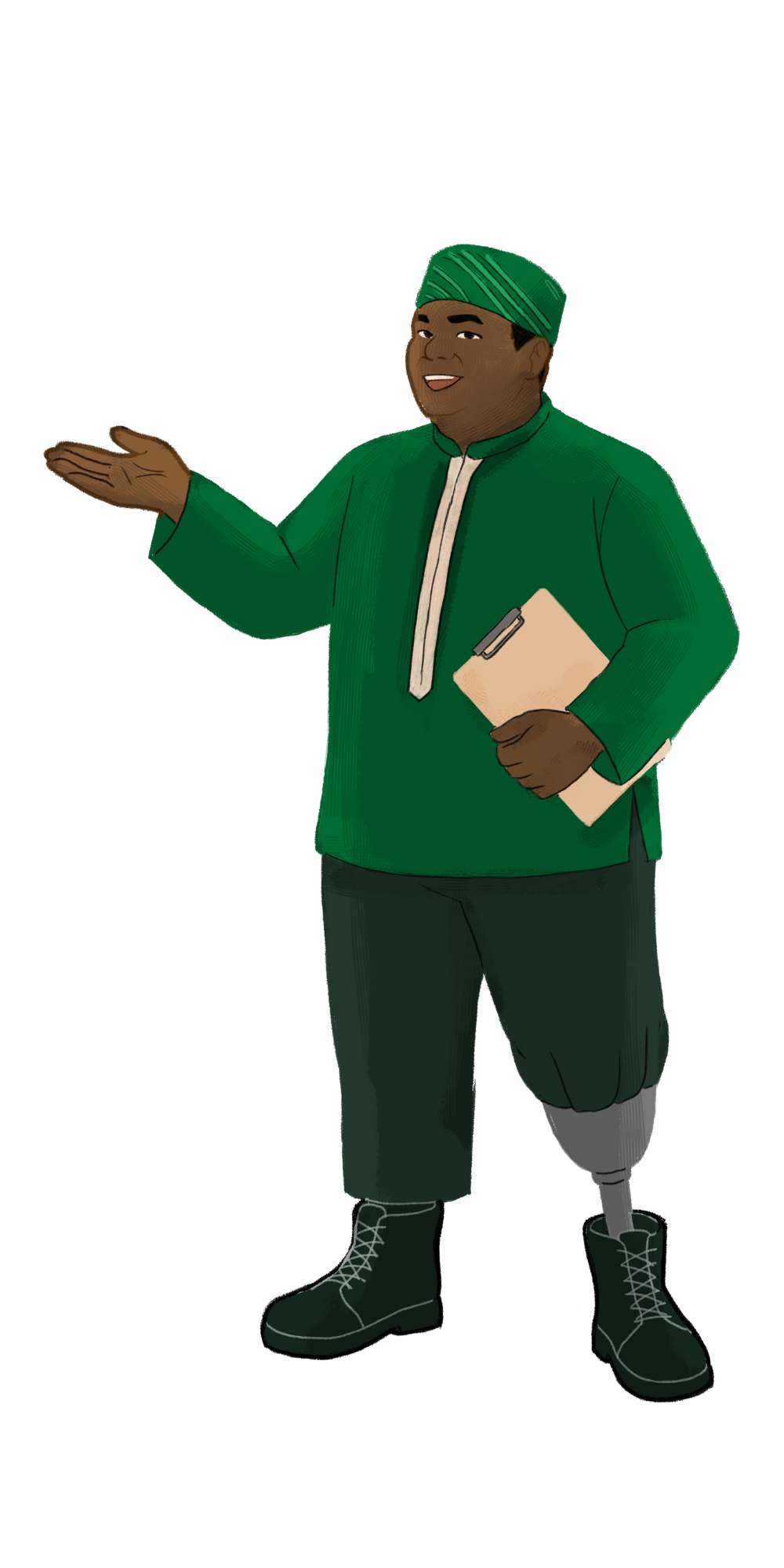
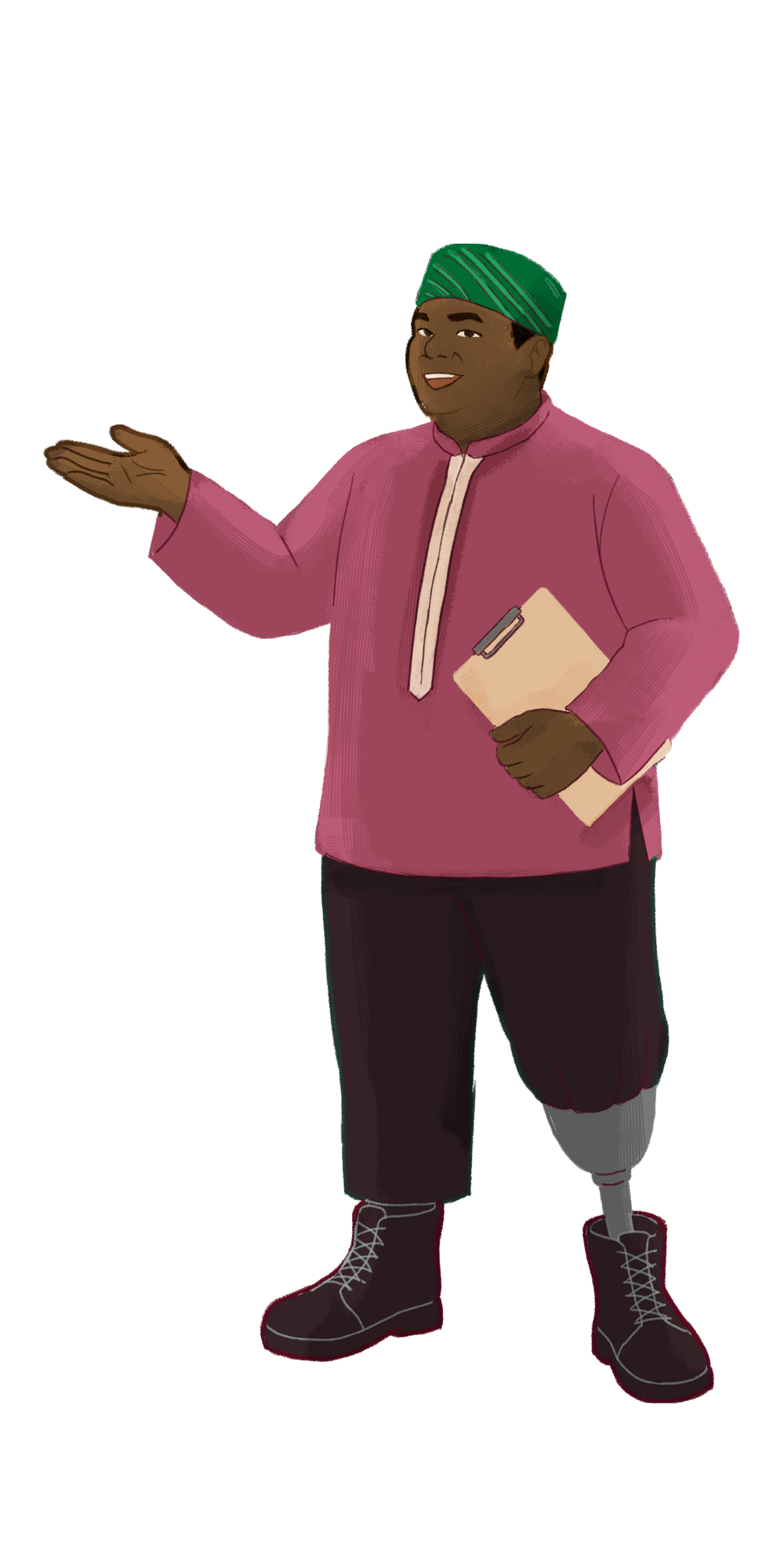
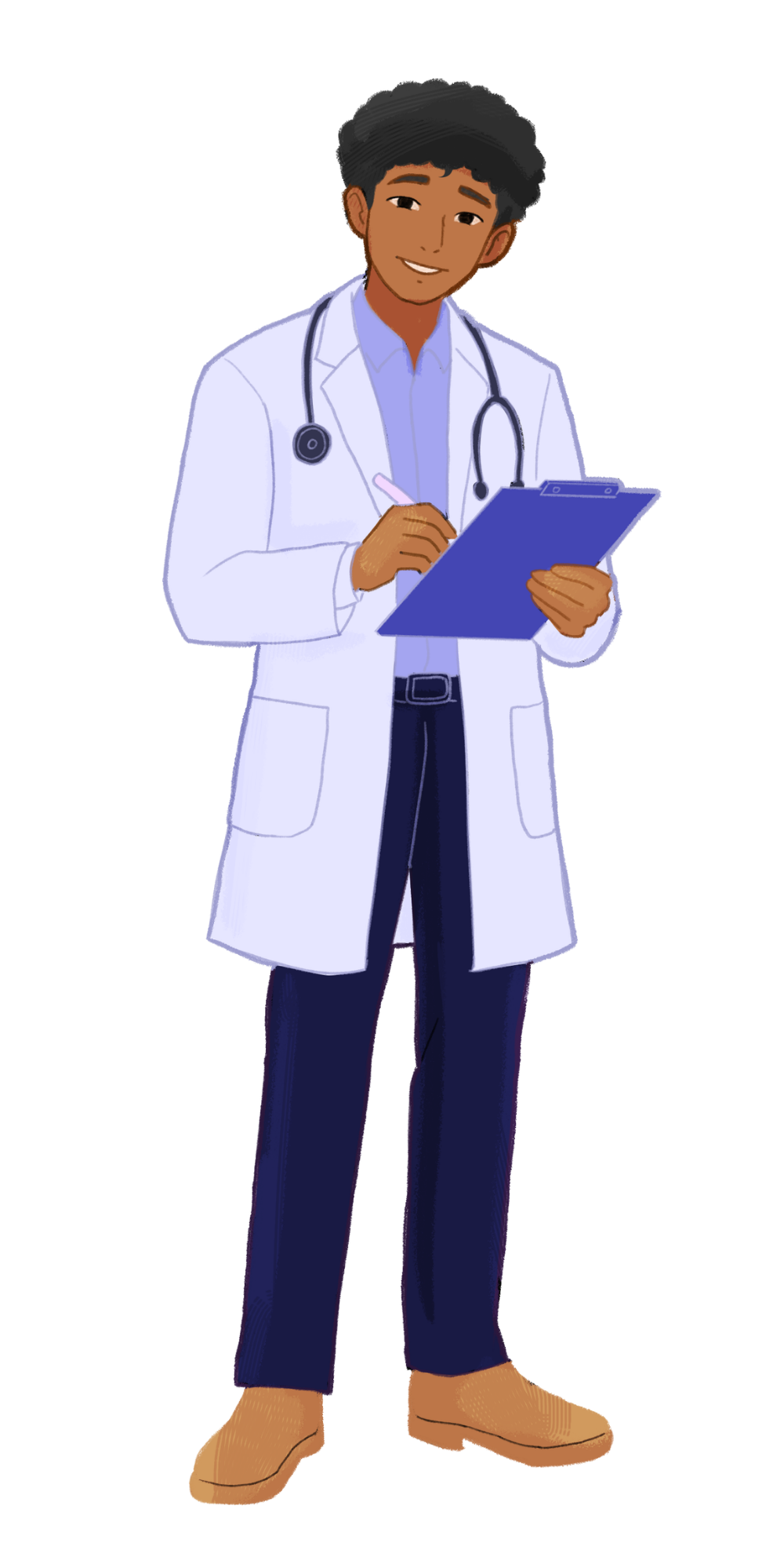
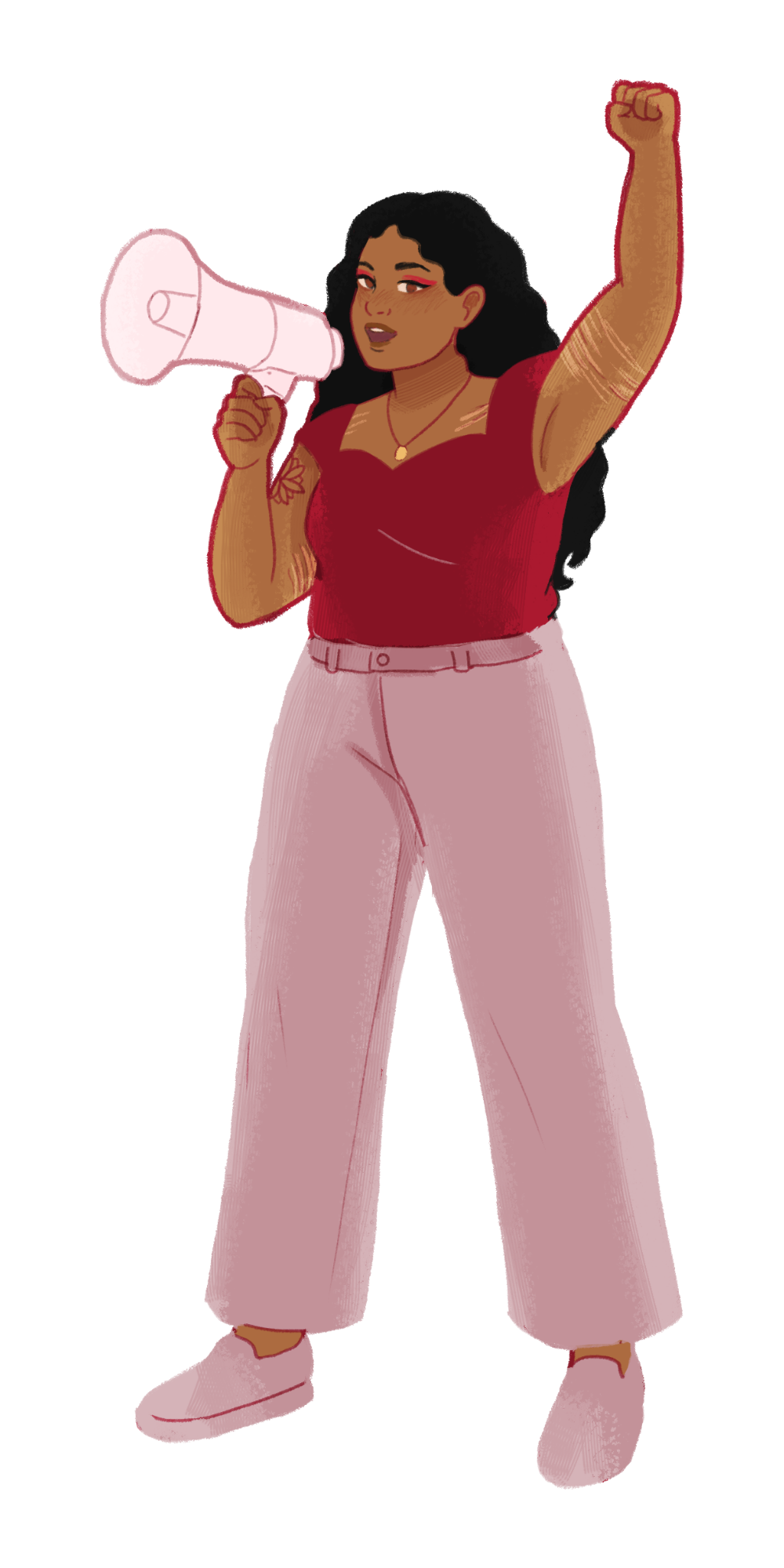
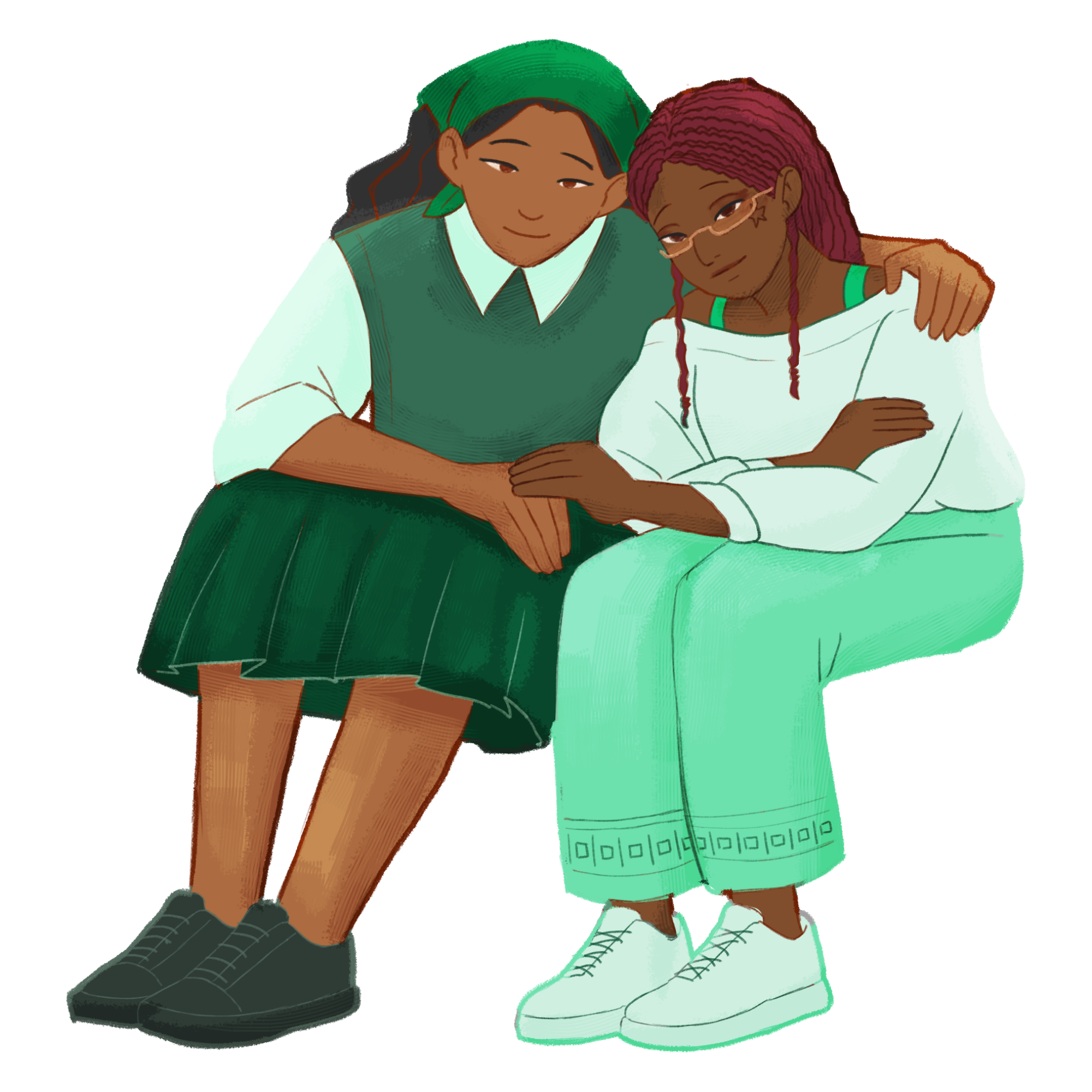
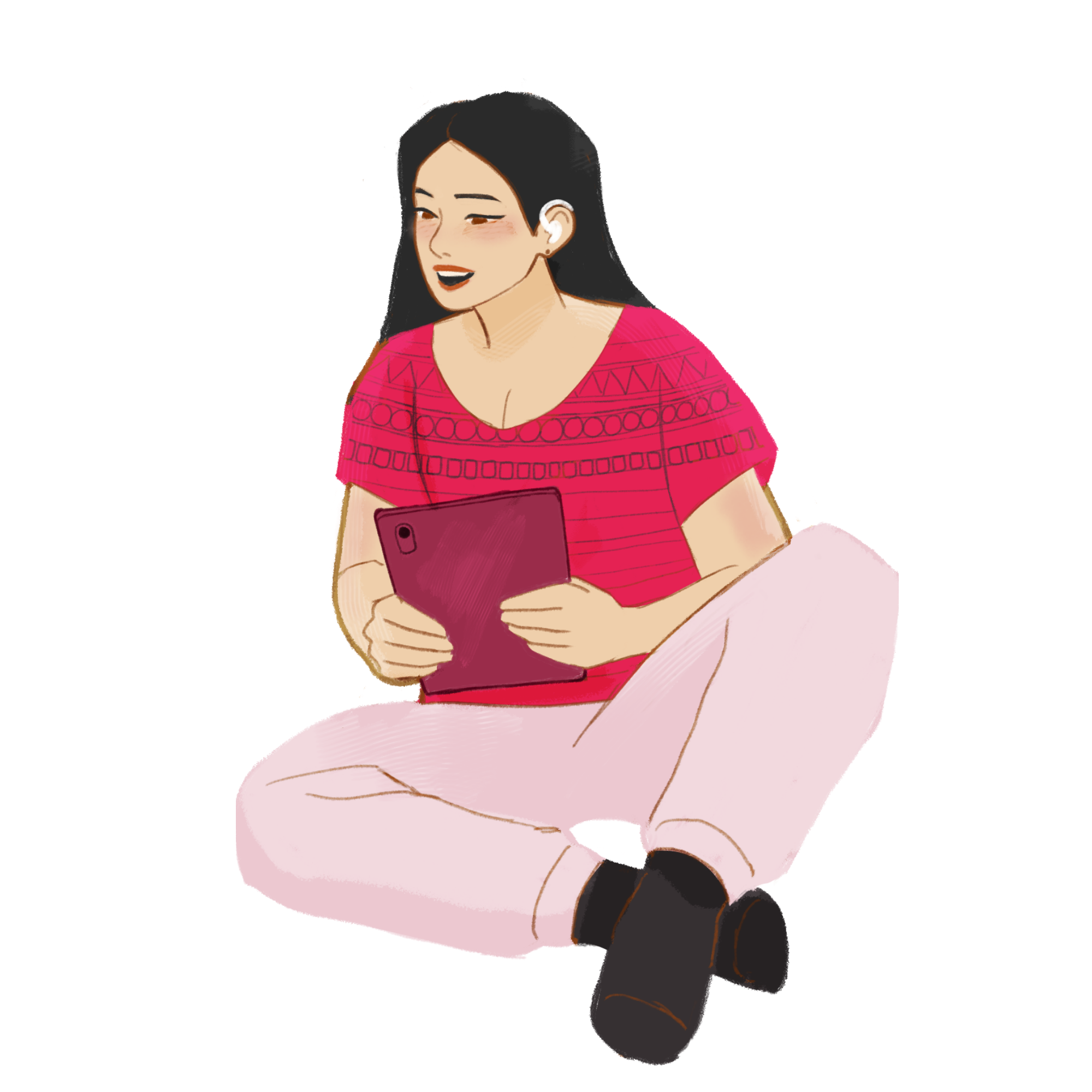
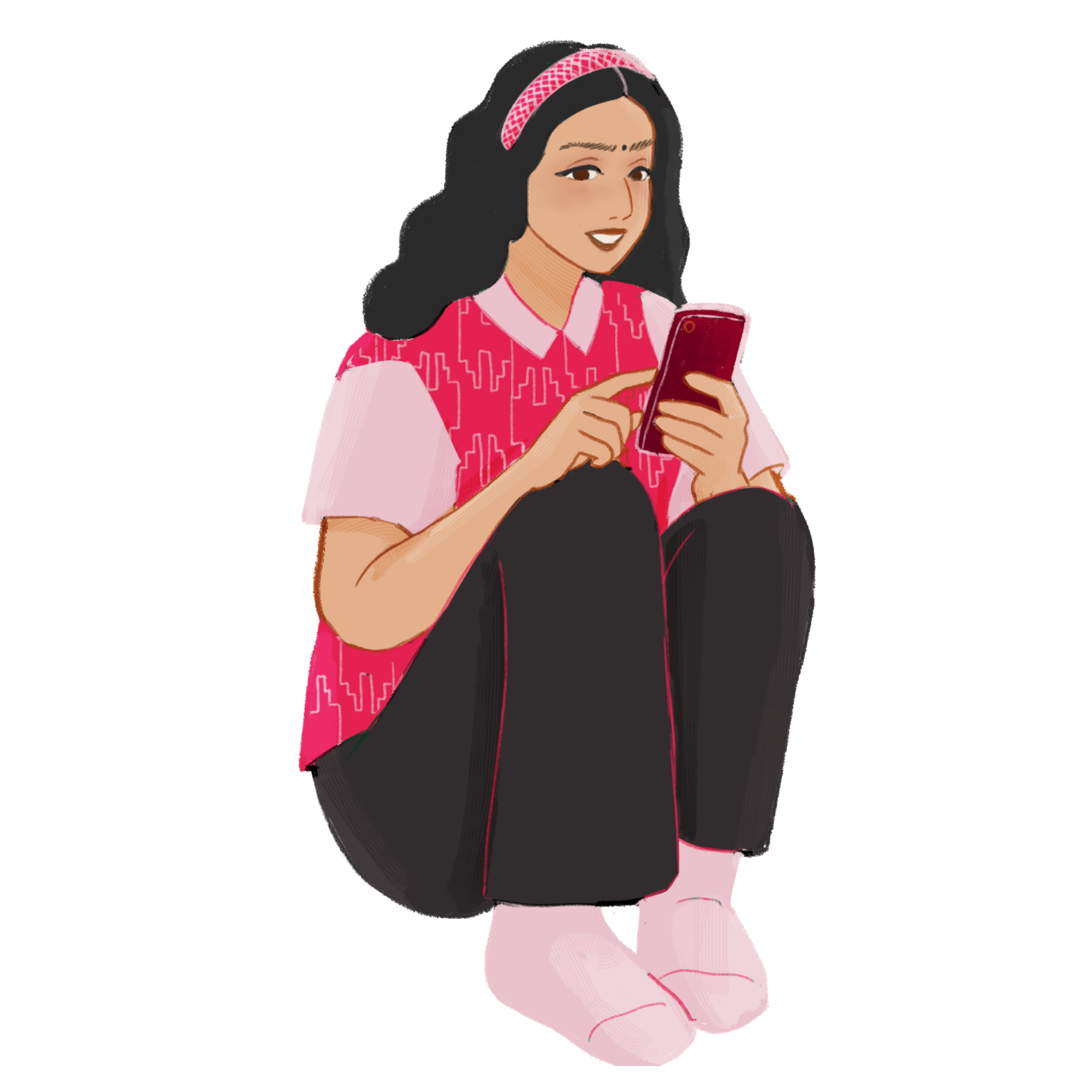
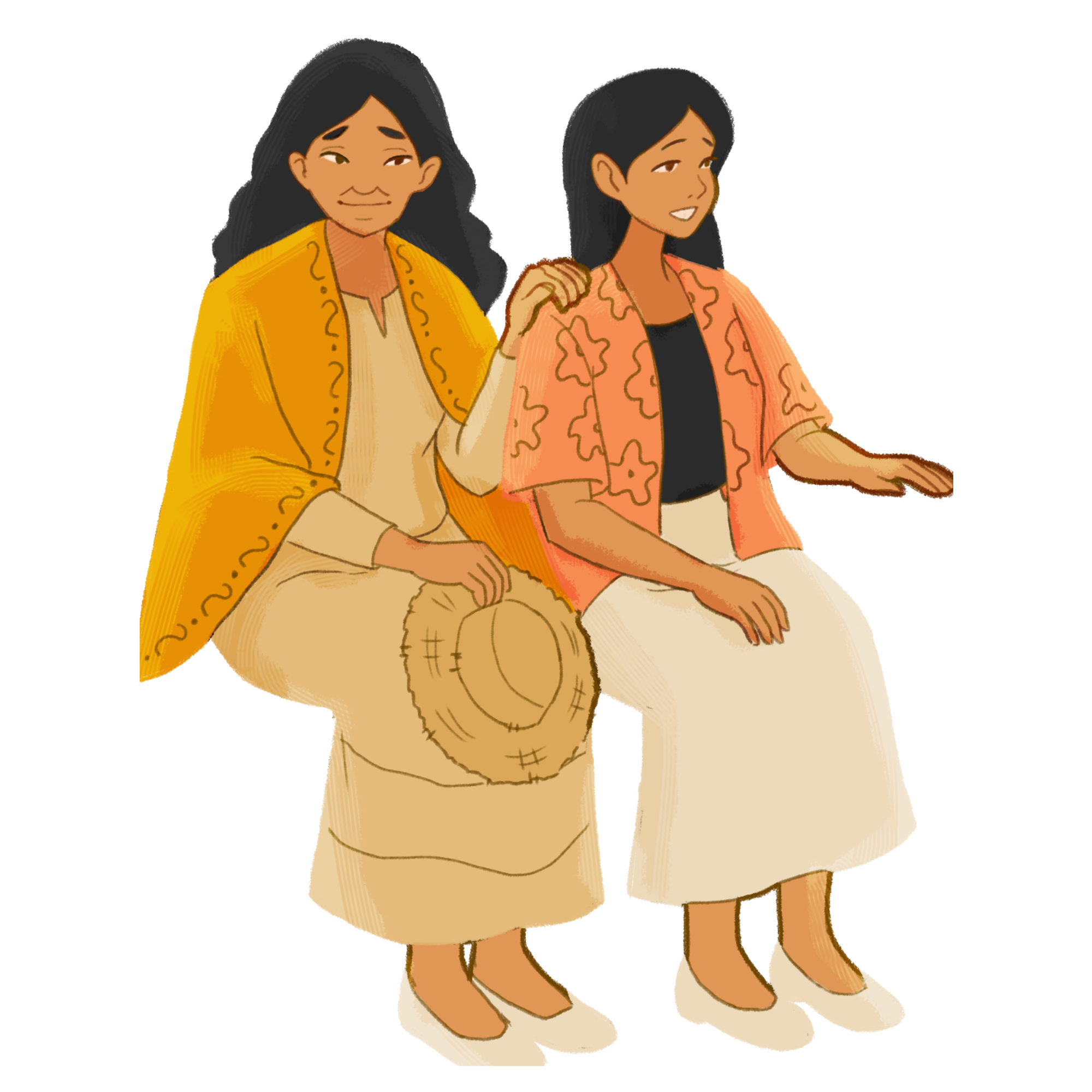
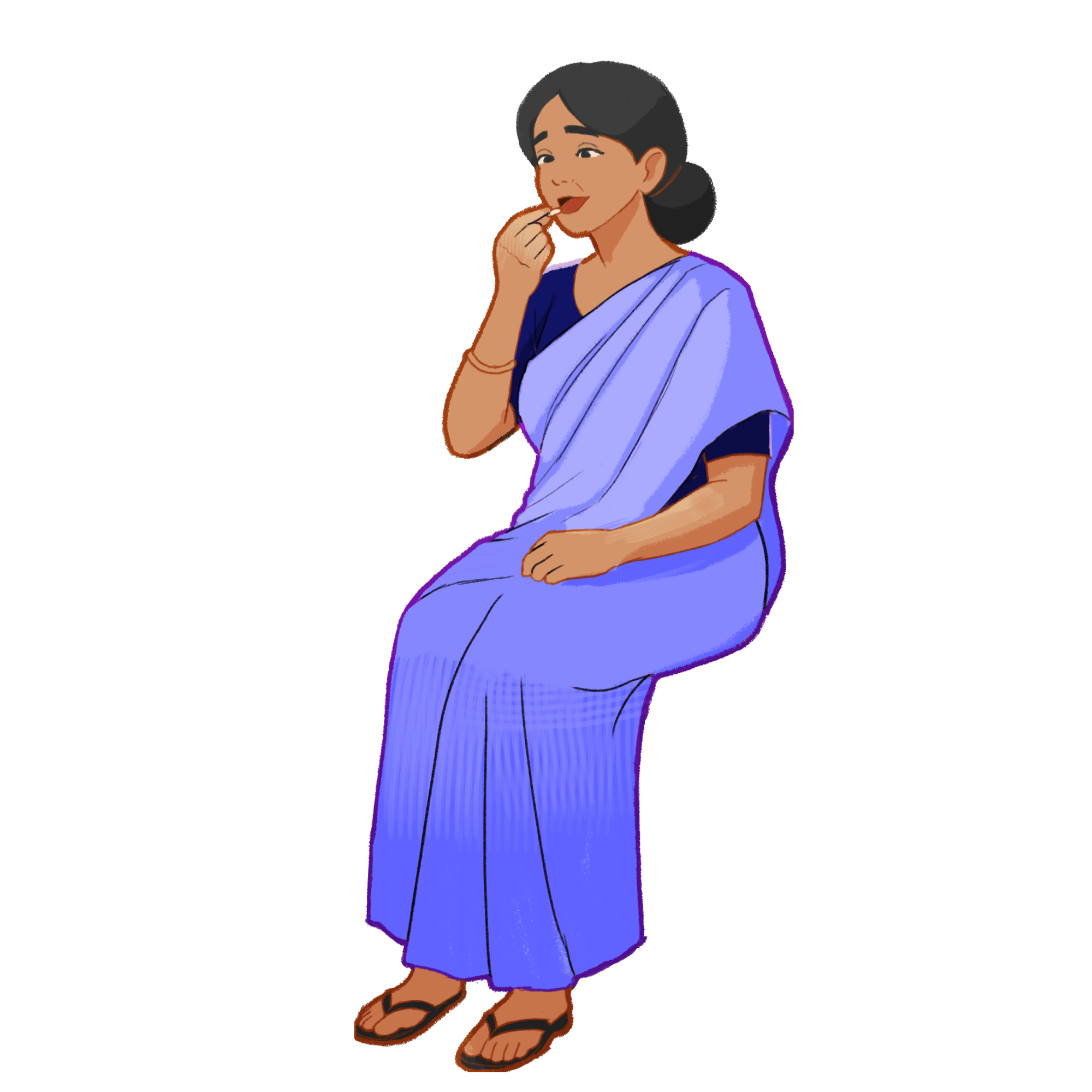
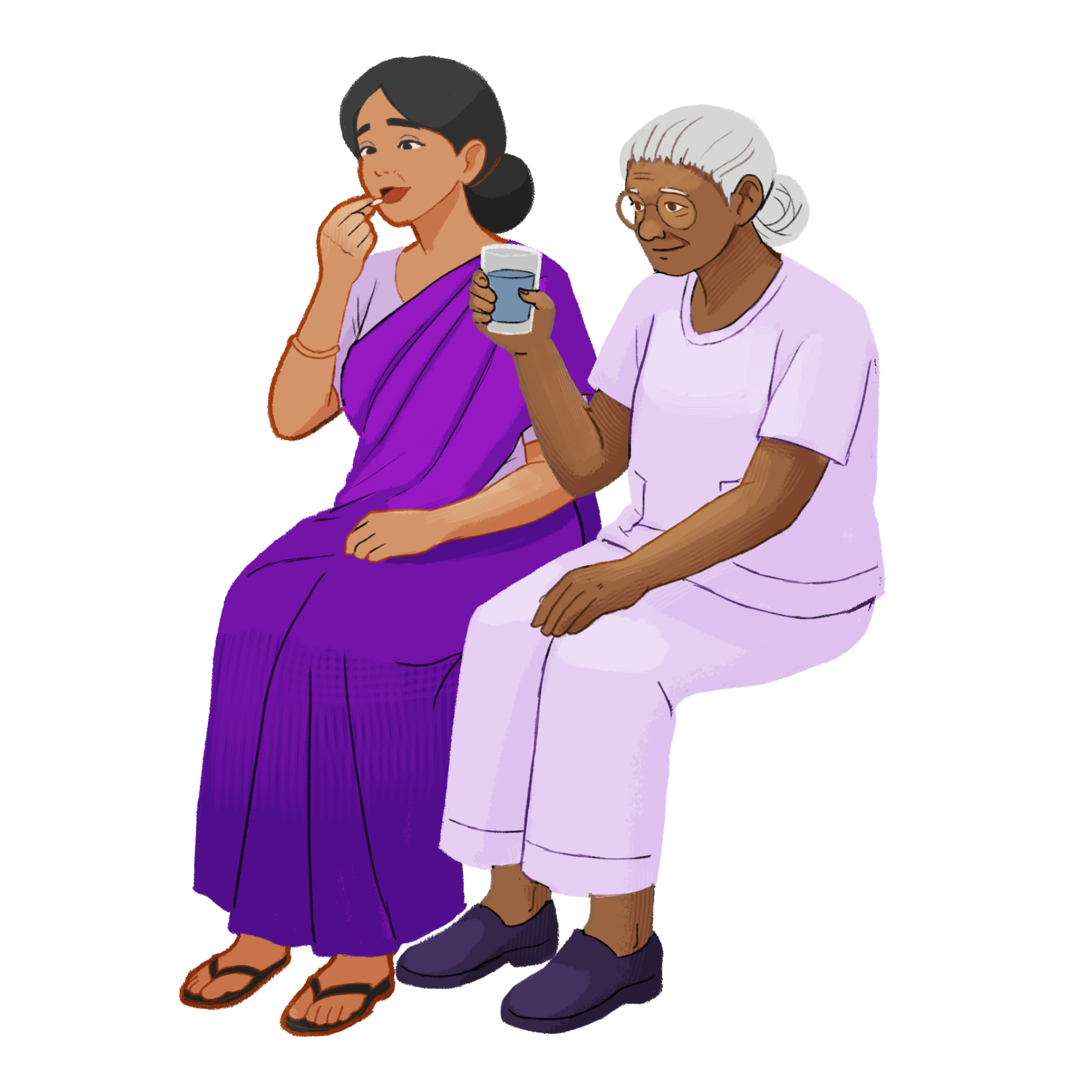
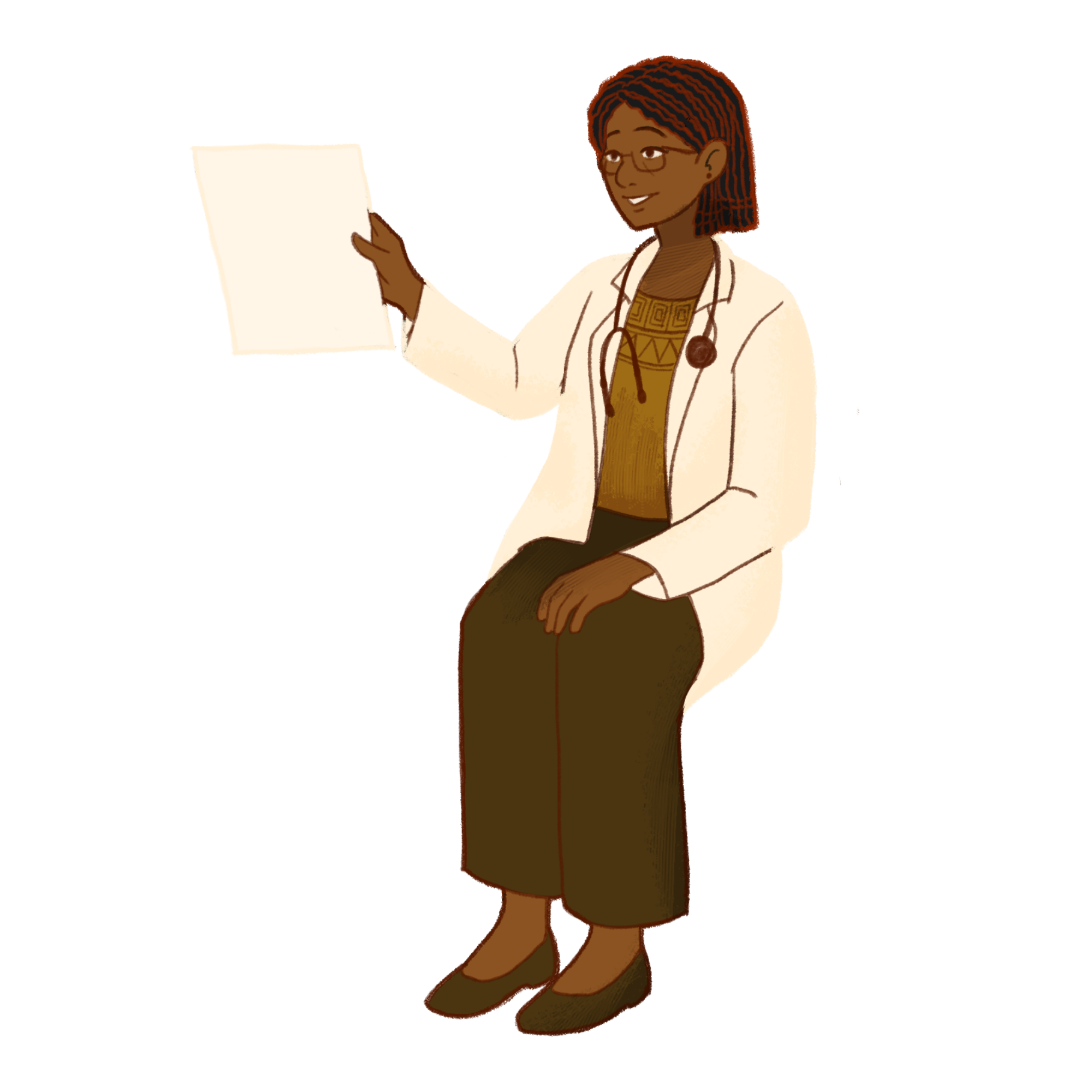
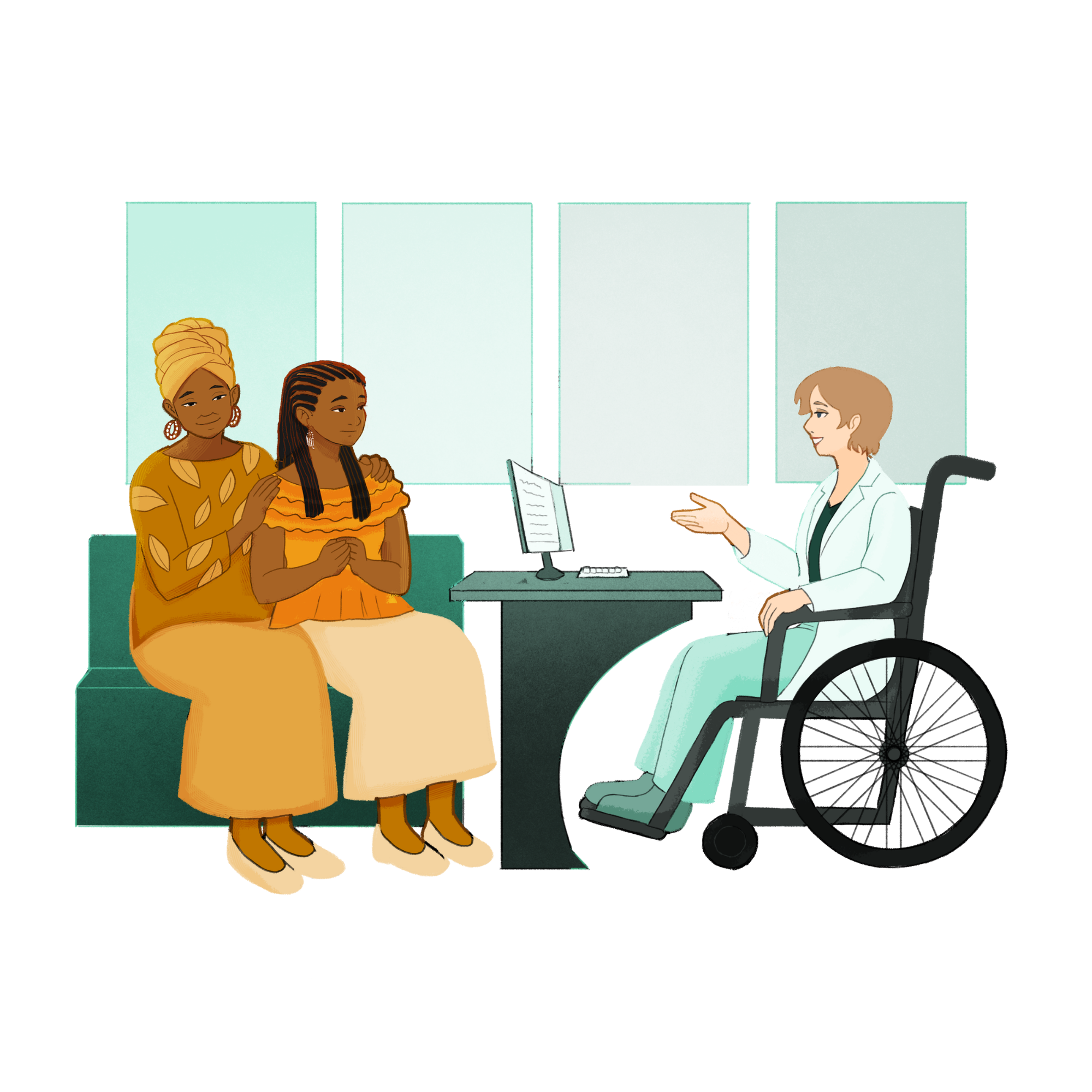
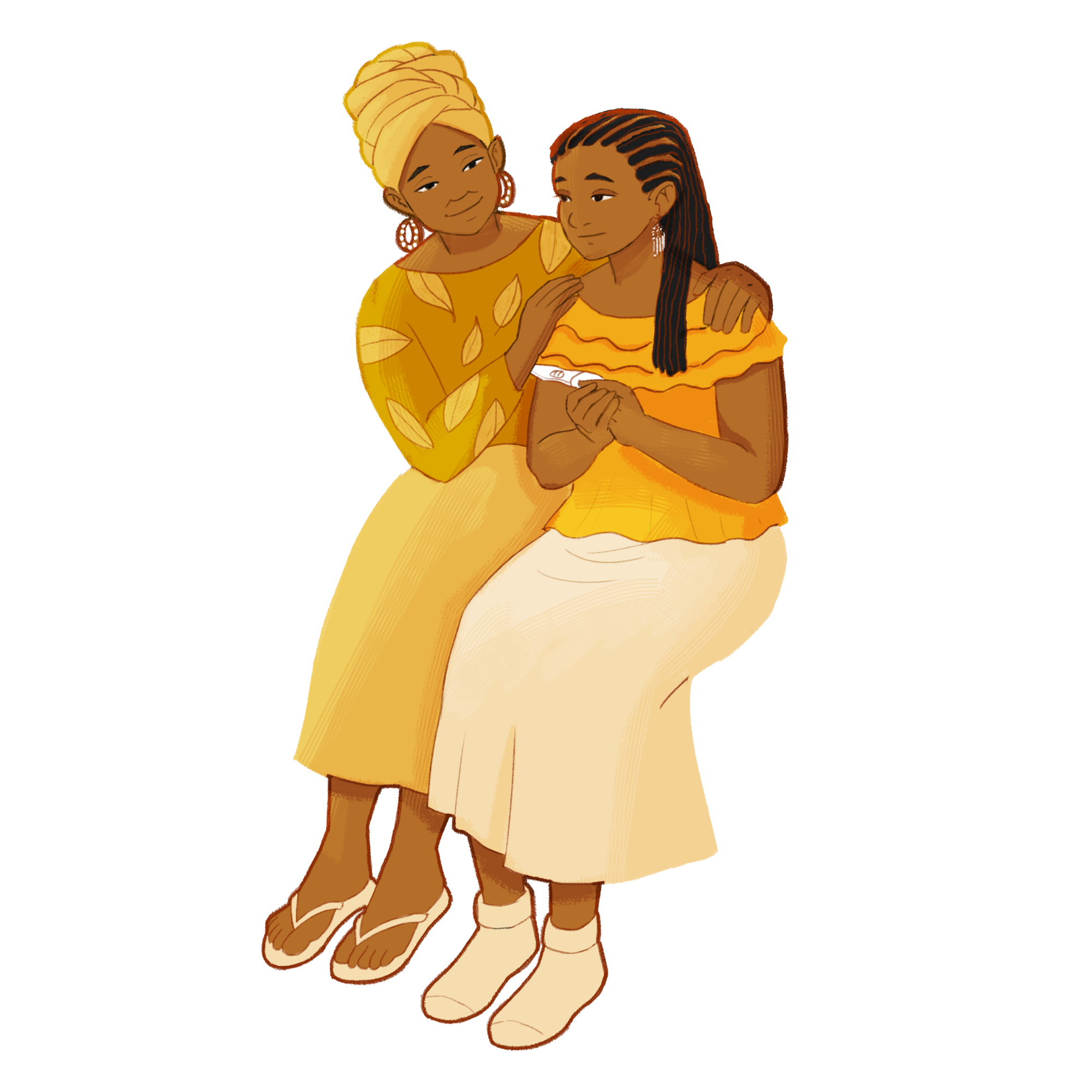
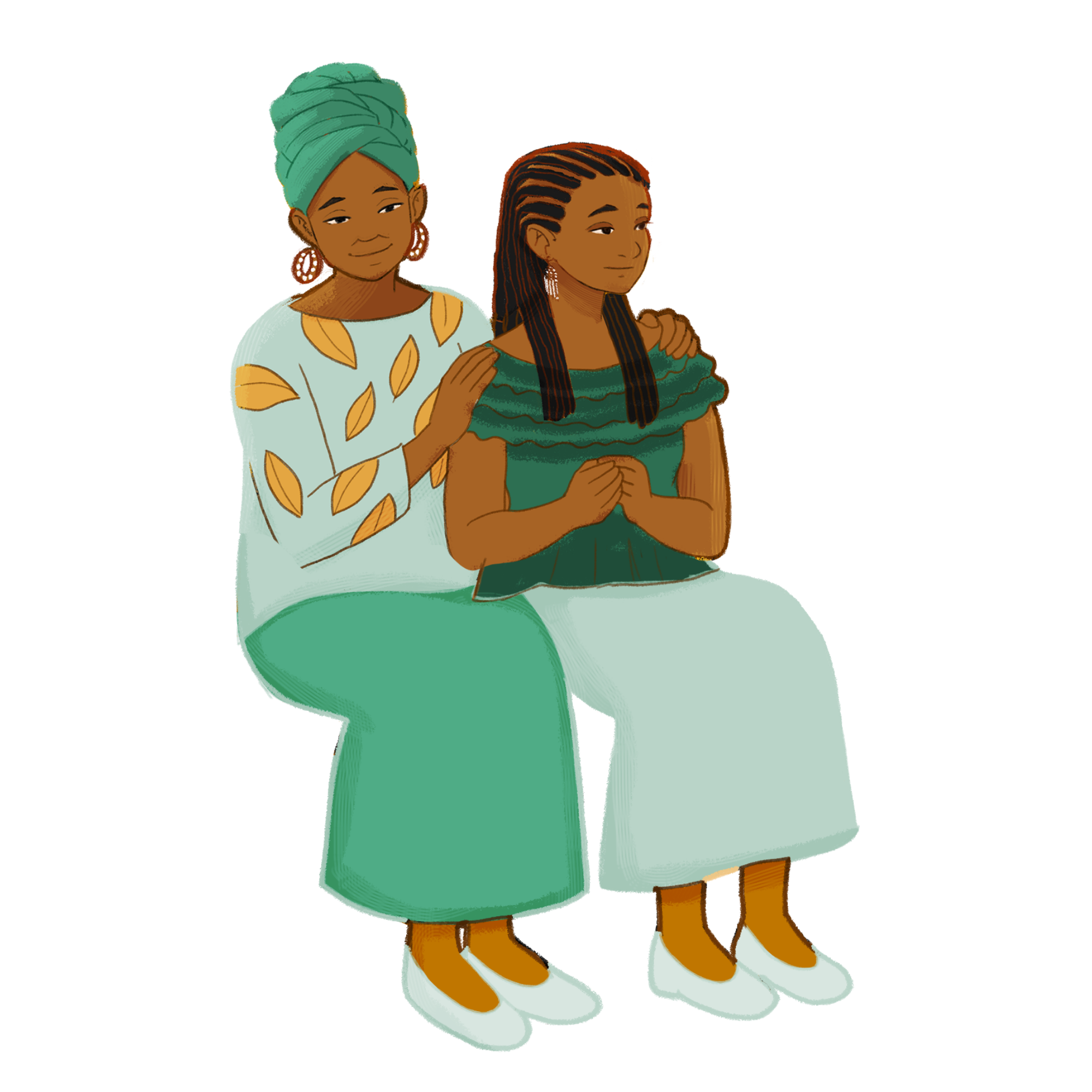
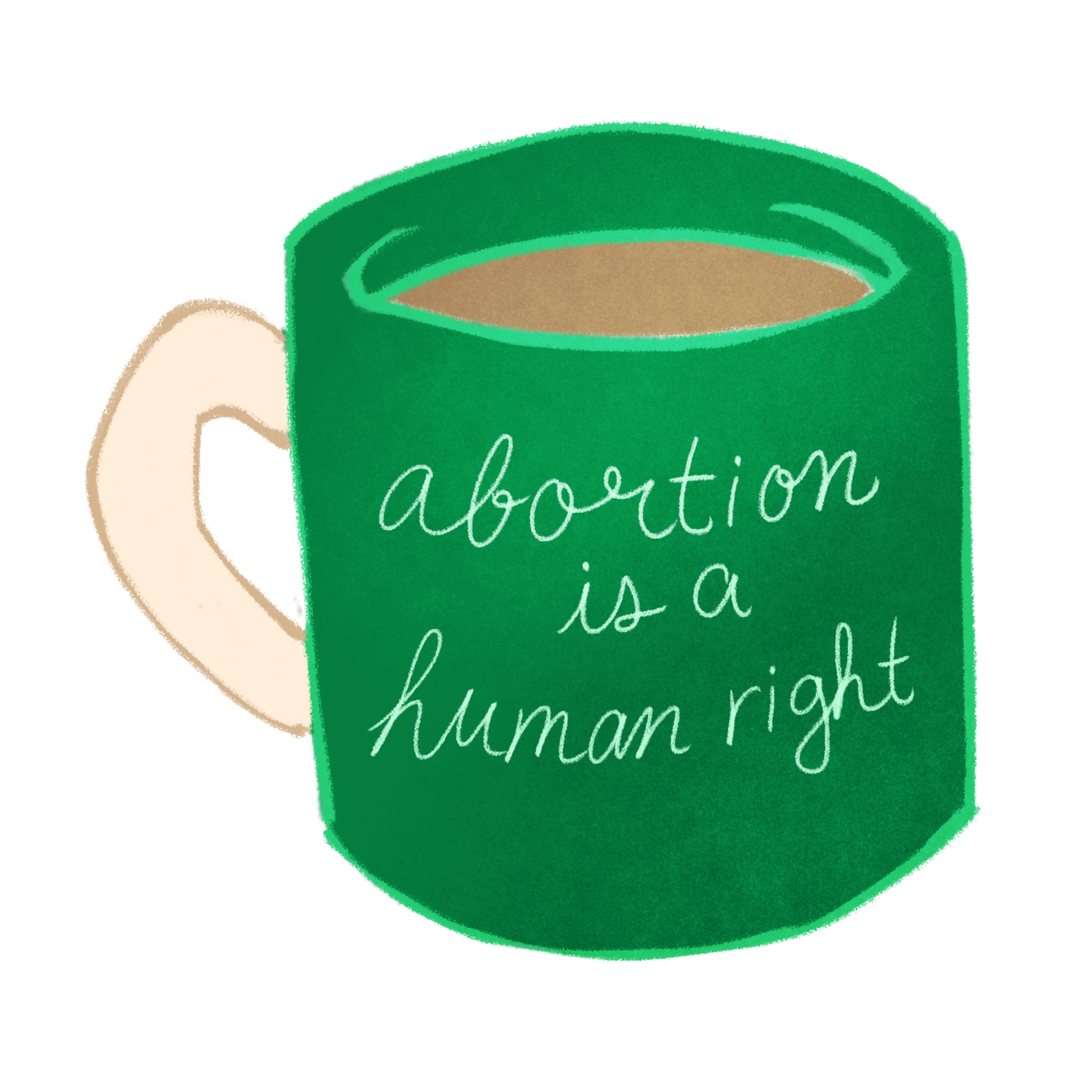
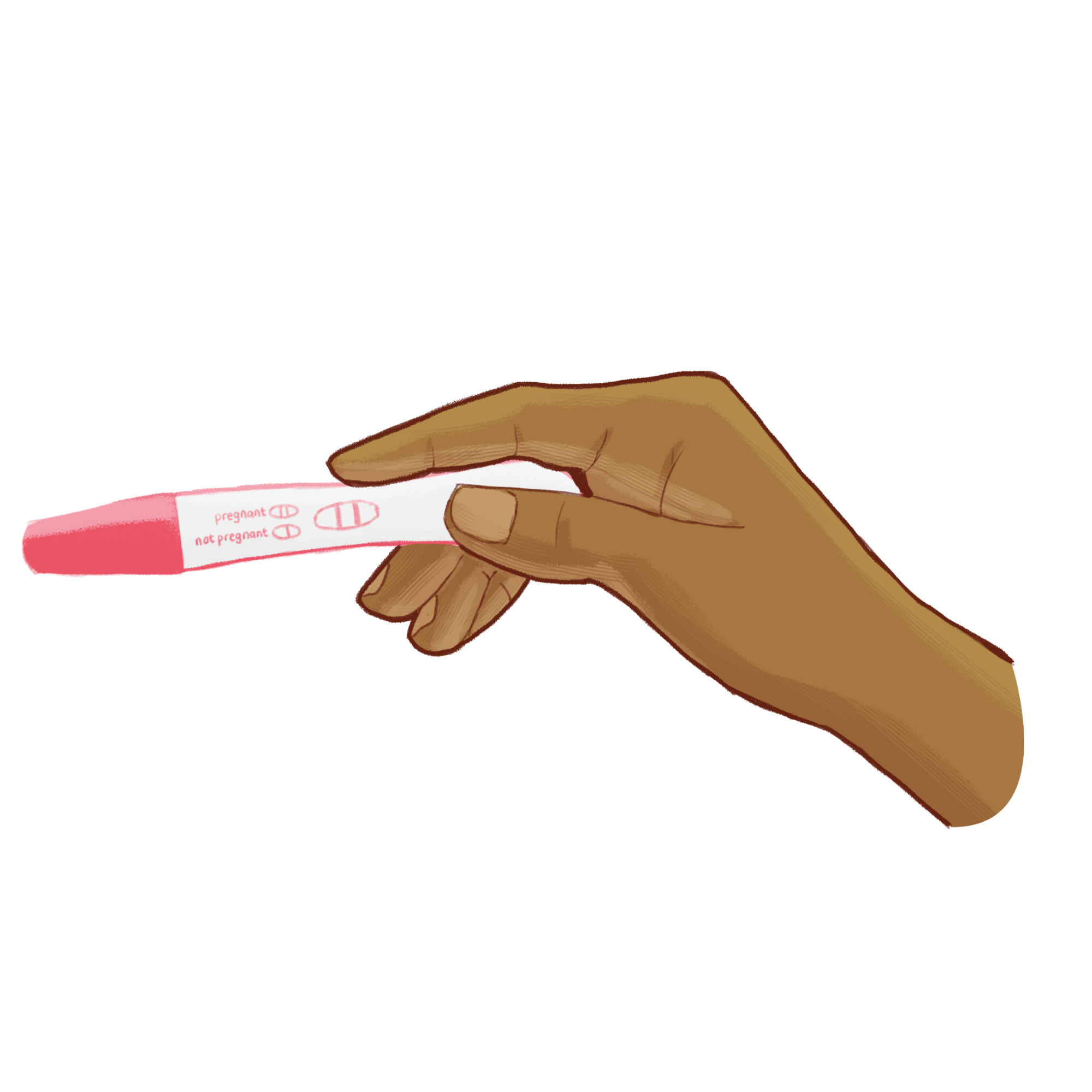
Original illustrations you can select, recompose, and drop into your own advocacy materials.
You may adapt and share these materials across your networks while keeping the core messaging and original artwork intact. The digital assets feature original illustrations created in collaboration with Rona Pizarro, a Philippine-based artist. You may select illustrations, change backgrounds, add campaign messages, and adjust the composition for social media, posters, comics, videos, presentations, and other advocacy materials.
Please respect the artwork
Do not alter, distort, or reproduce the original illustrations using AI or AI-generated tools. When sharing the materials online, please tag WGNRR’s official social media accounts so we can amplify our collective action.



















Section 3
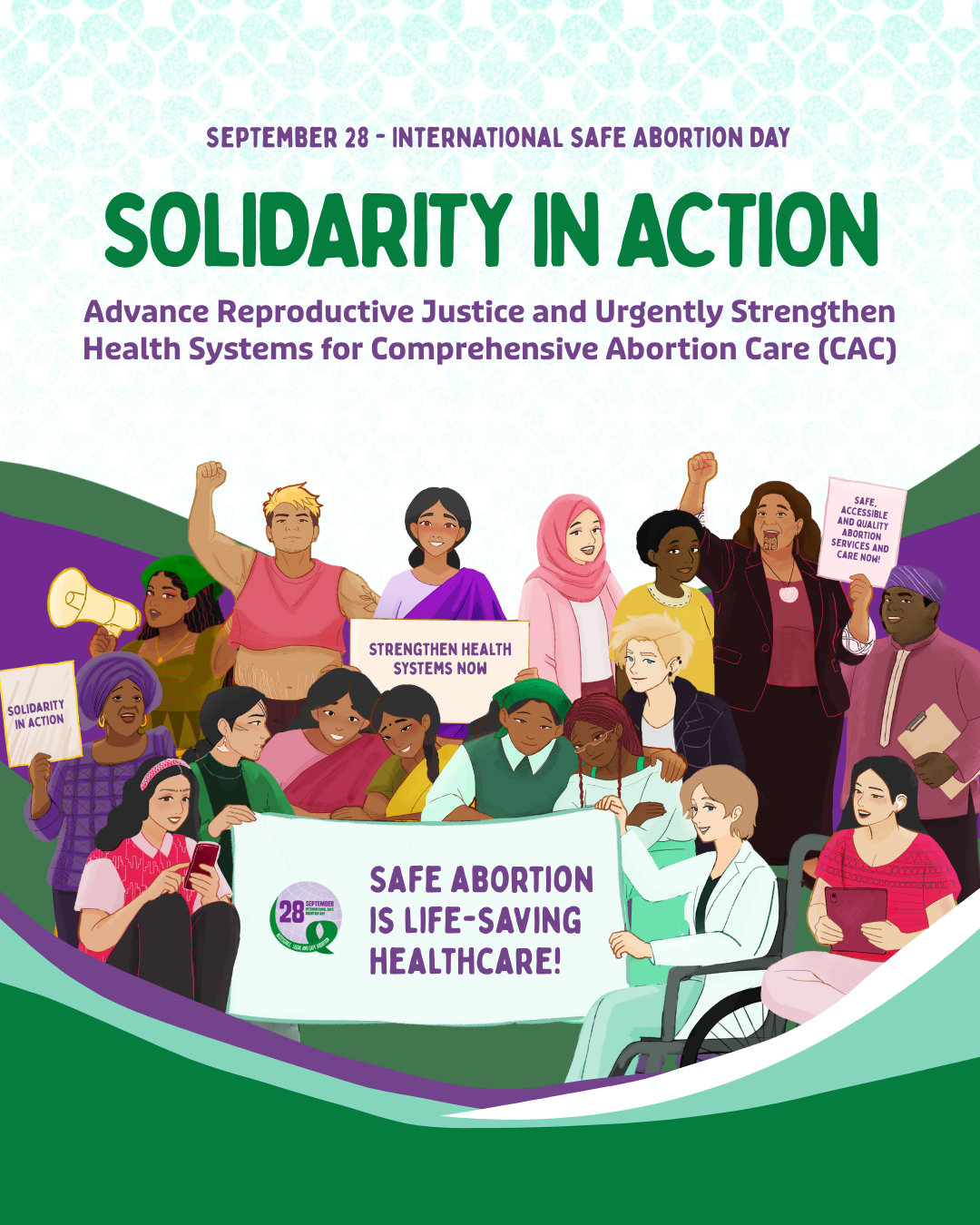
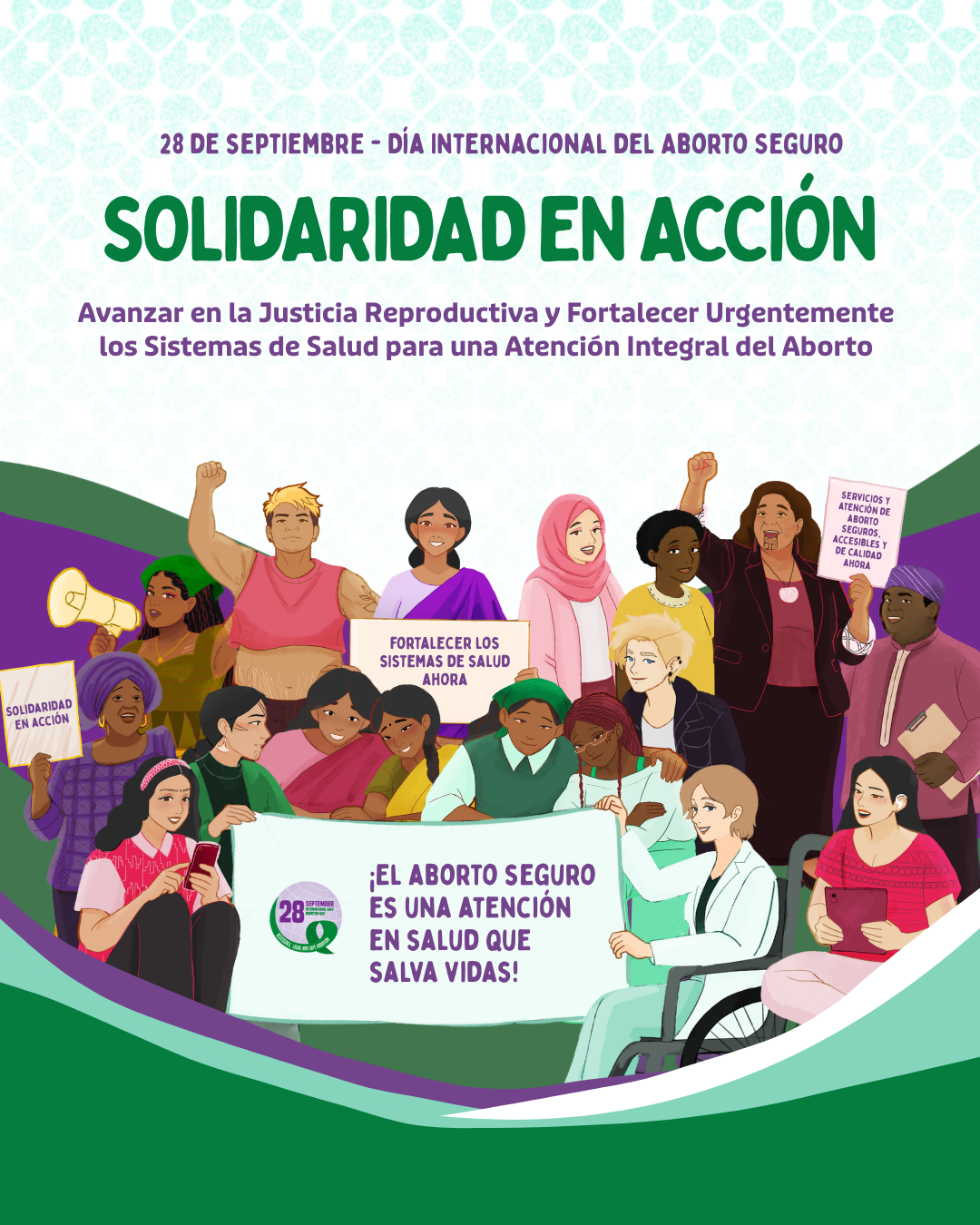
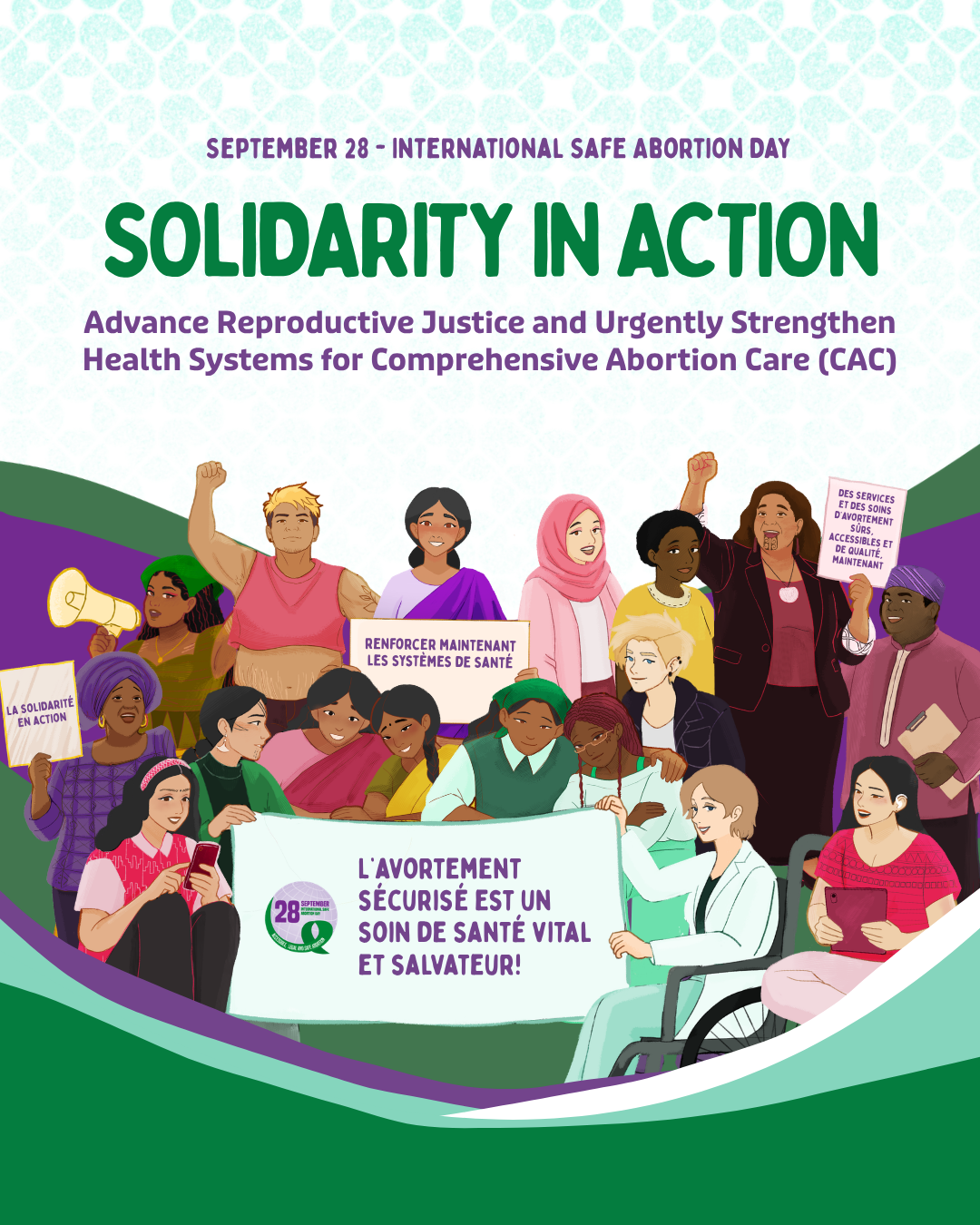
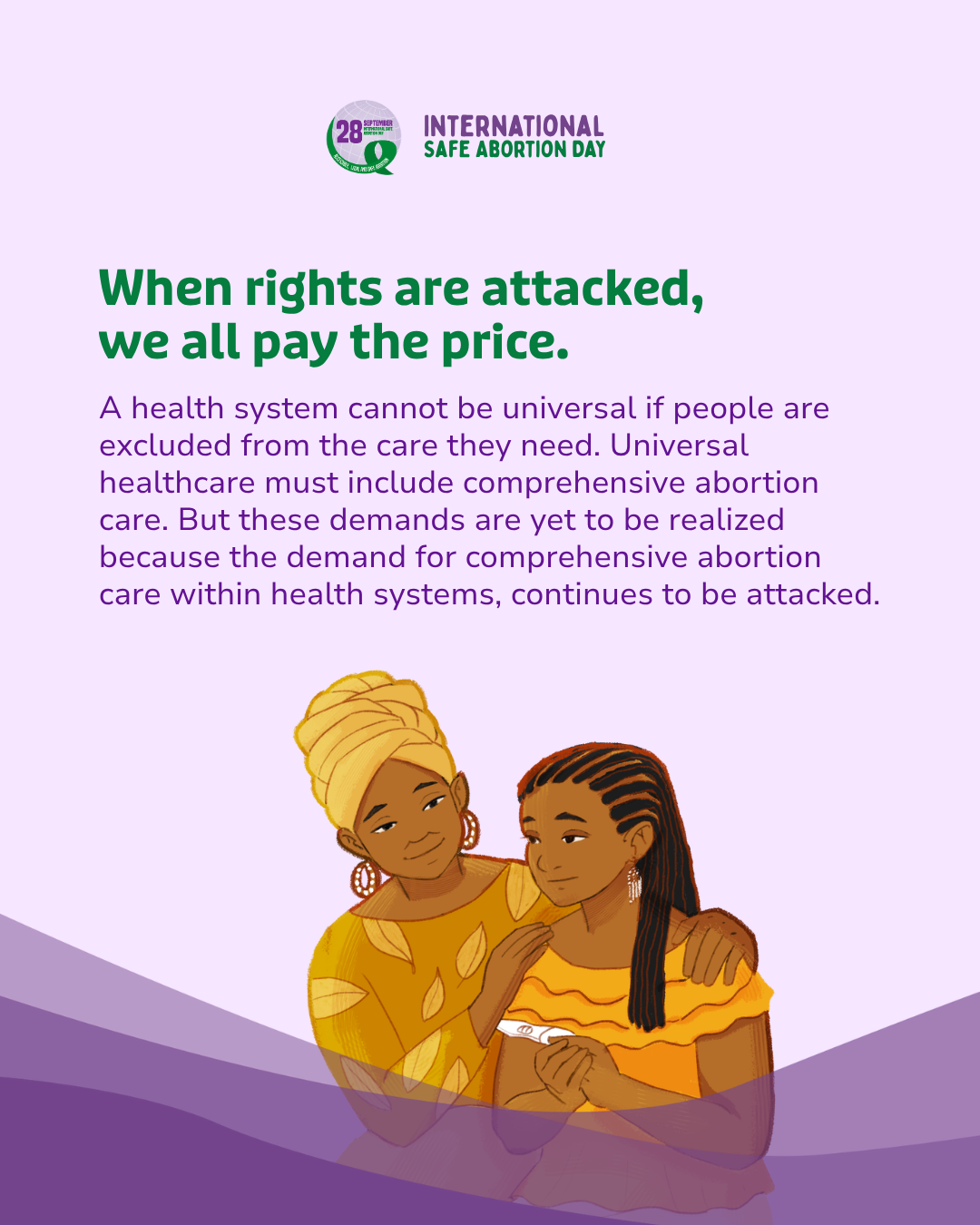
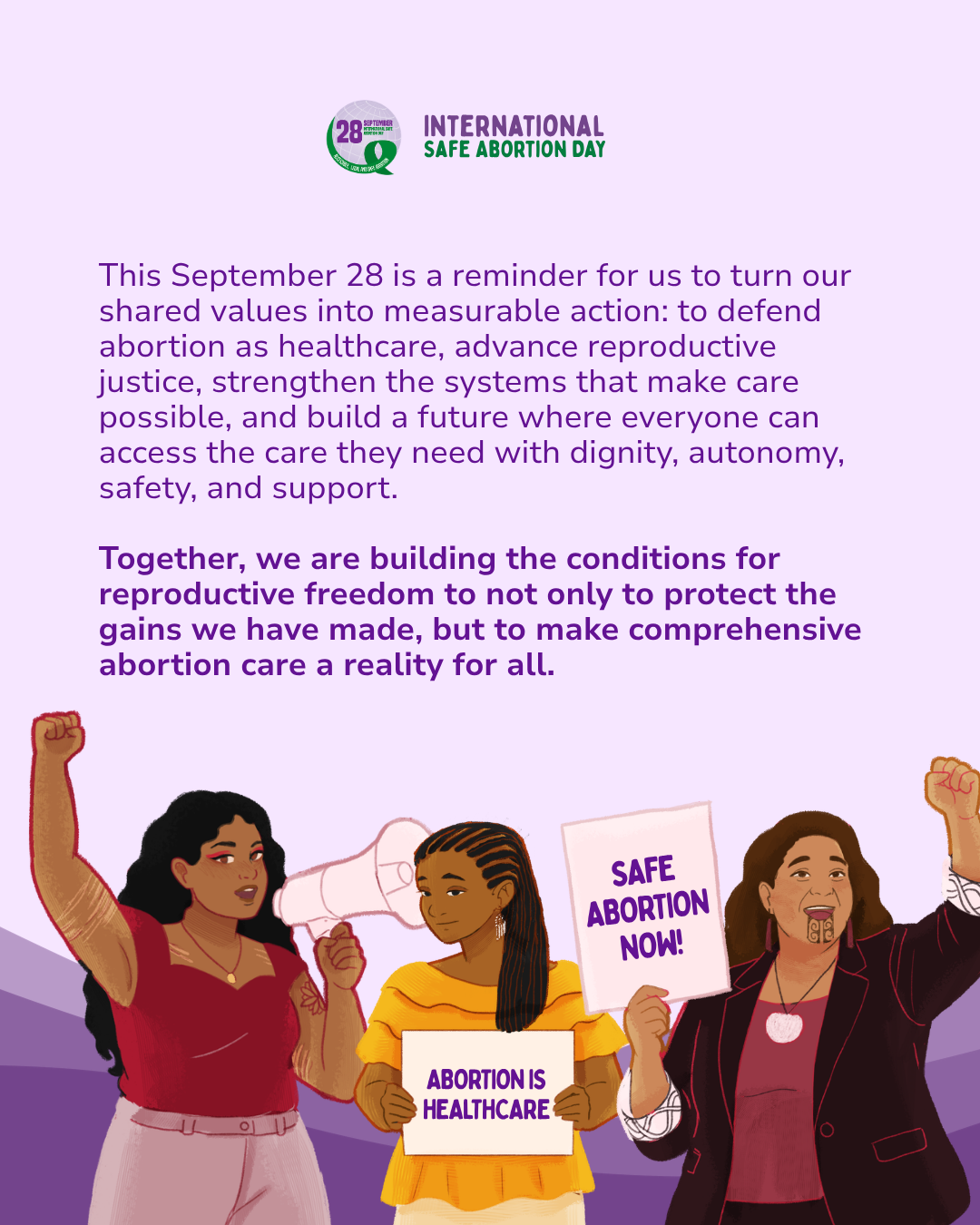
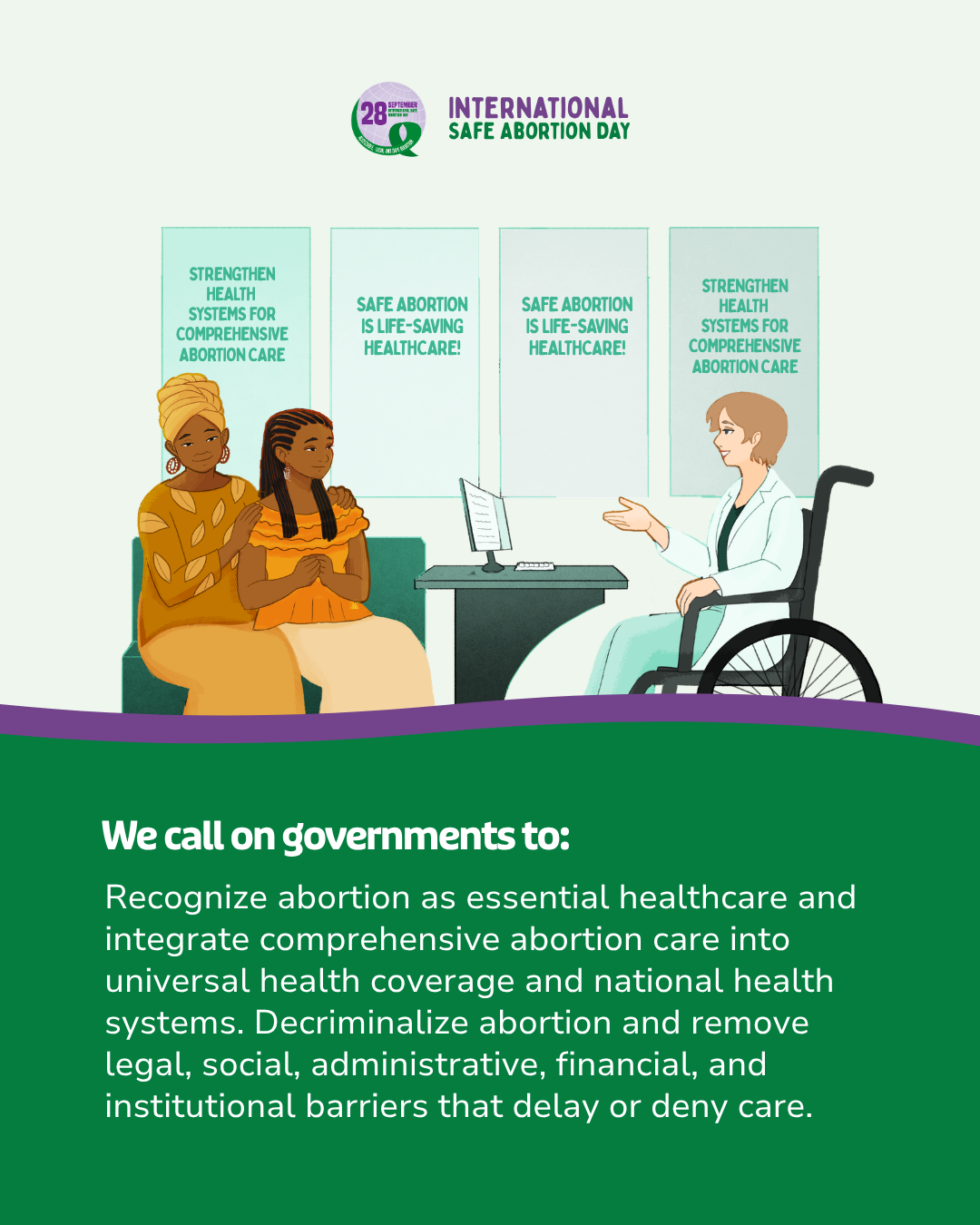
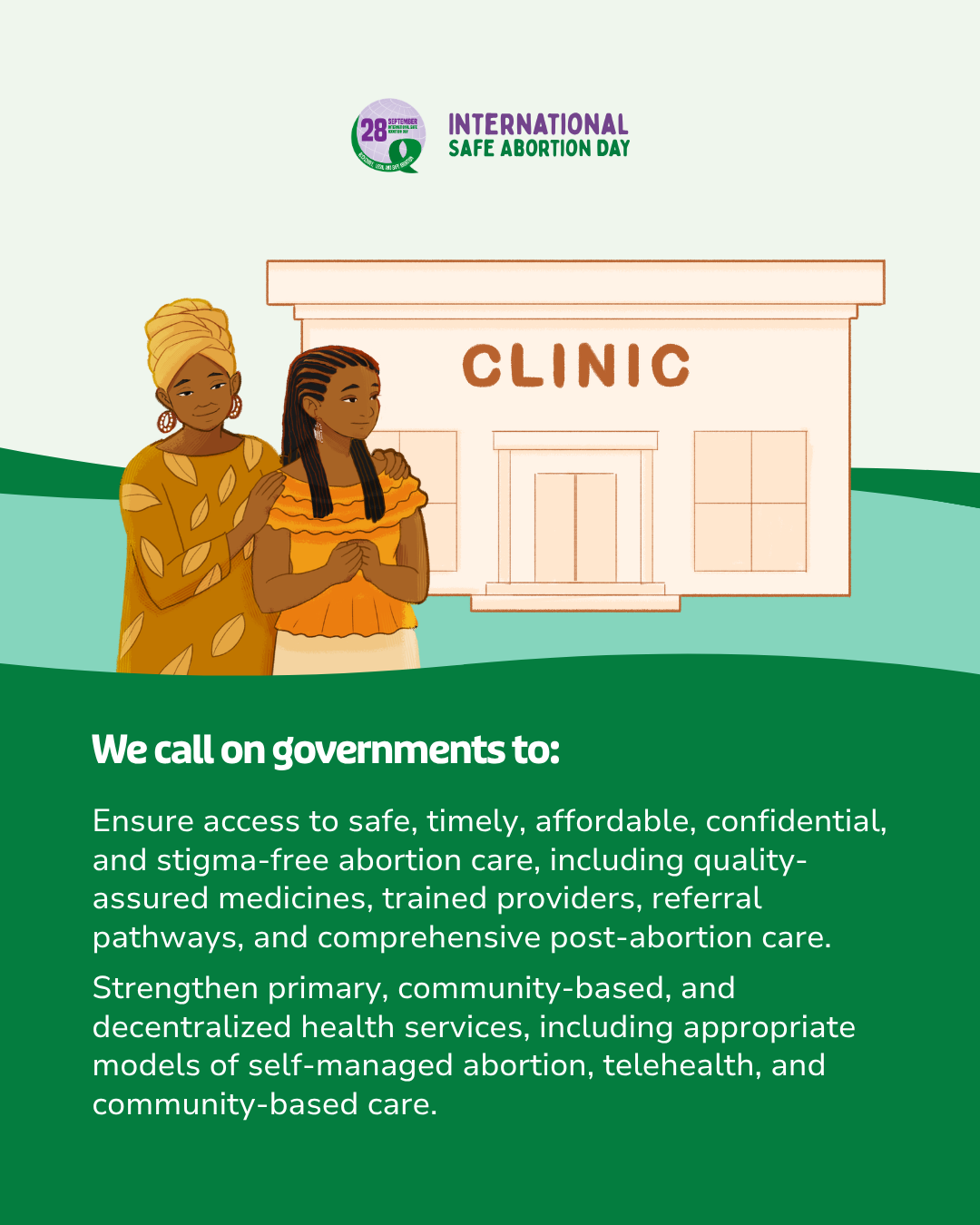
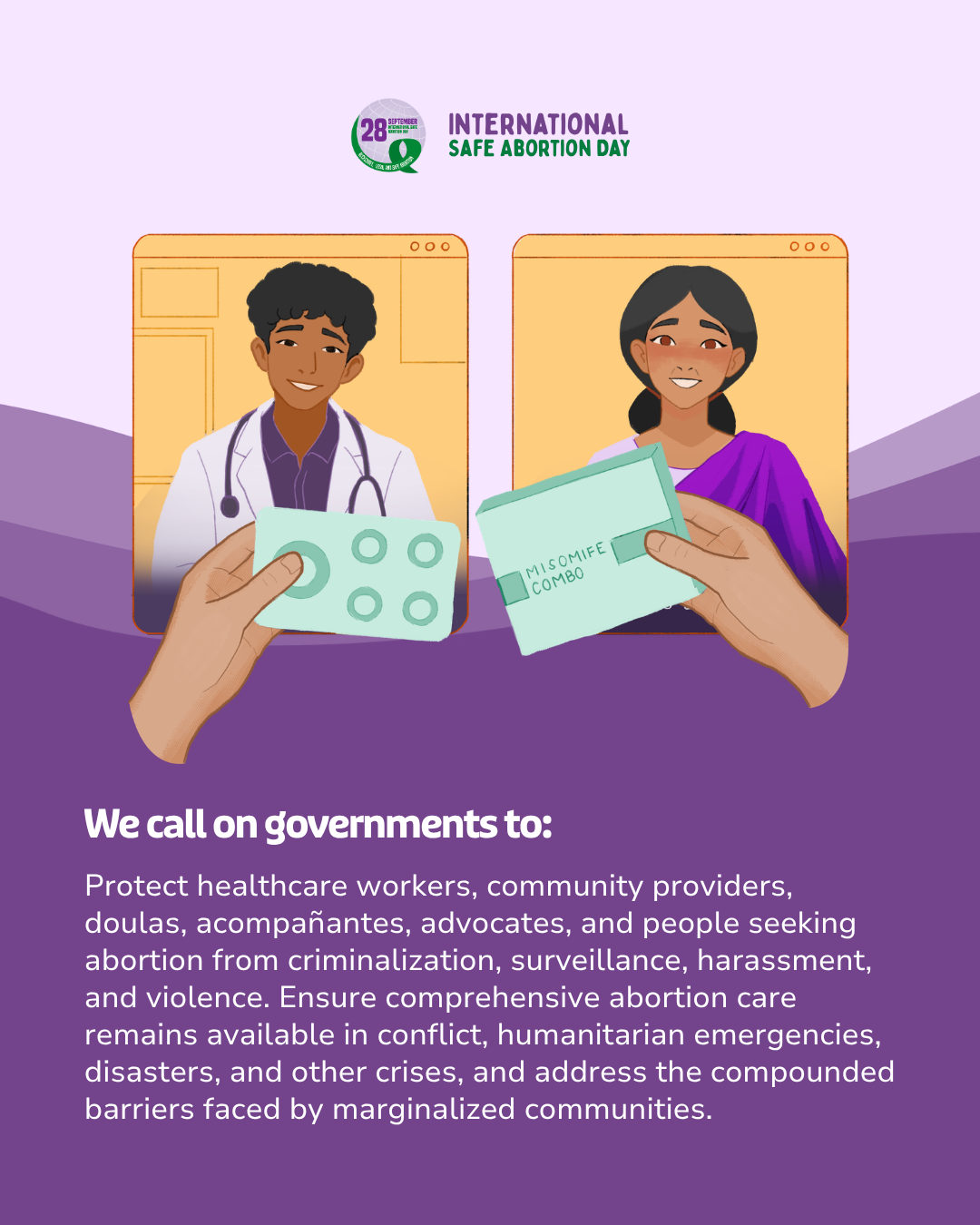
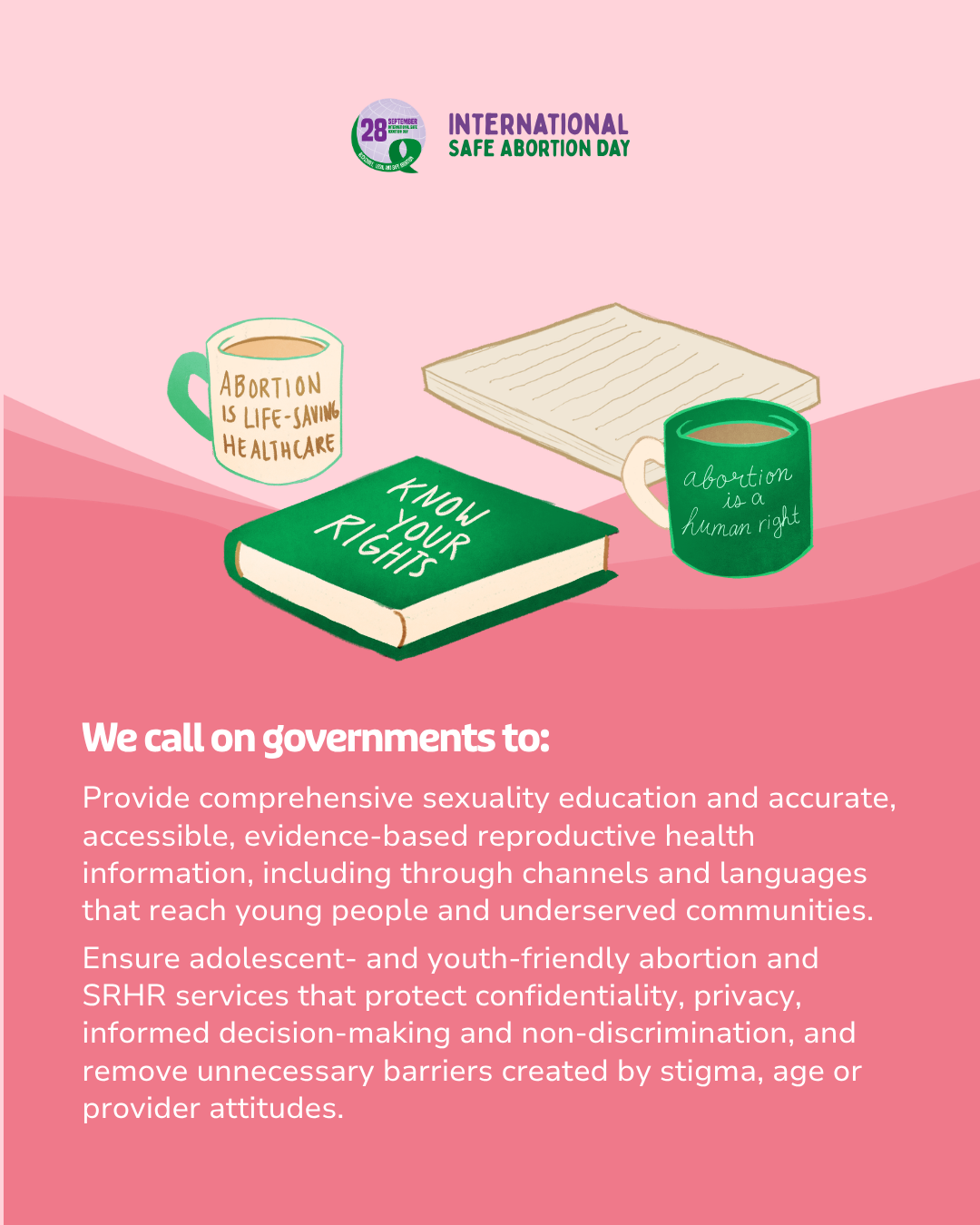
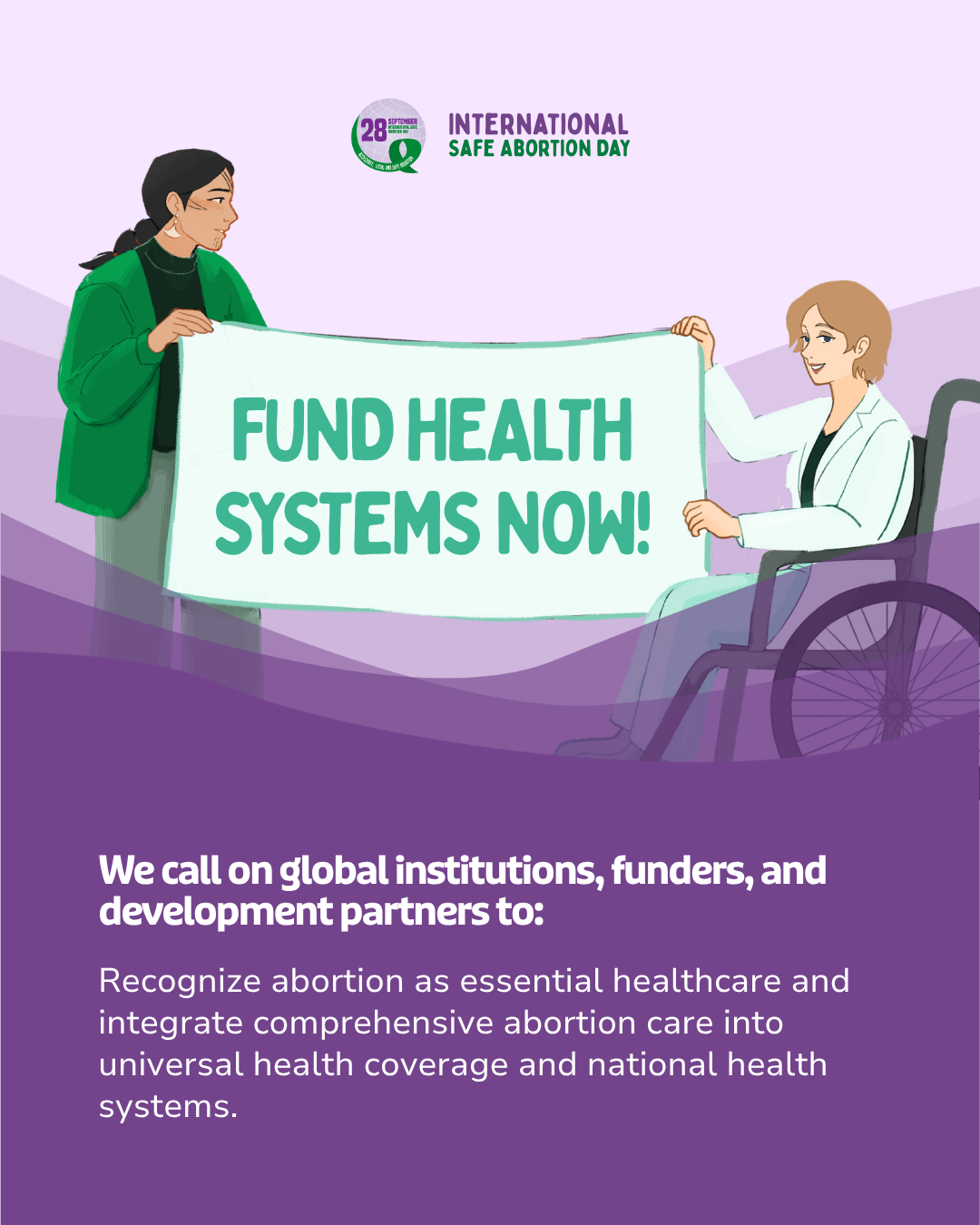
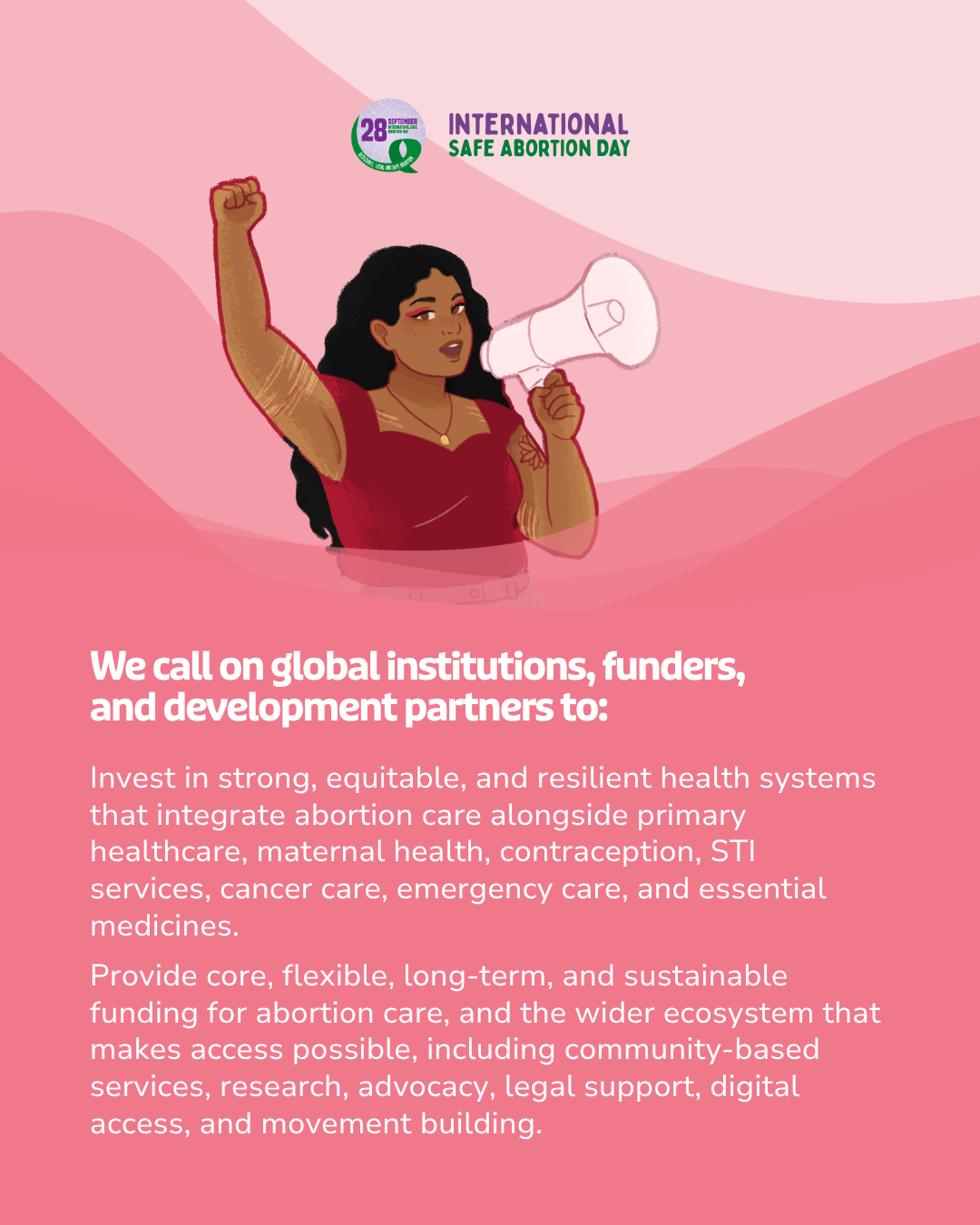
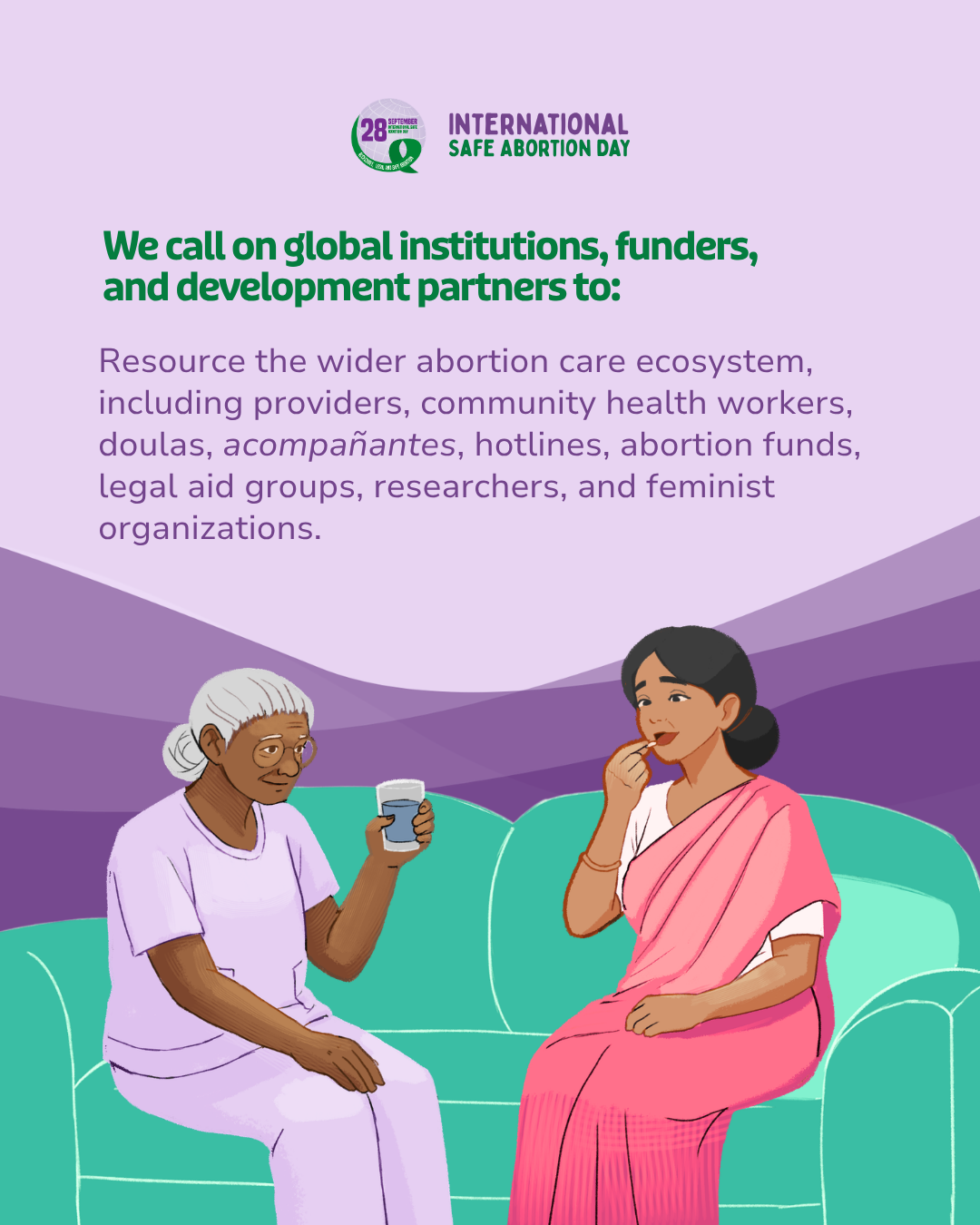
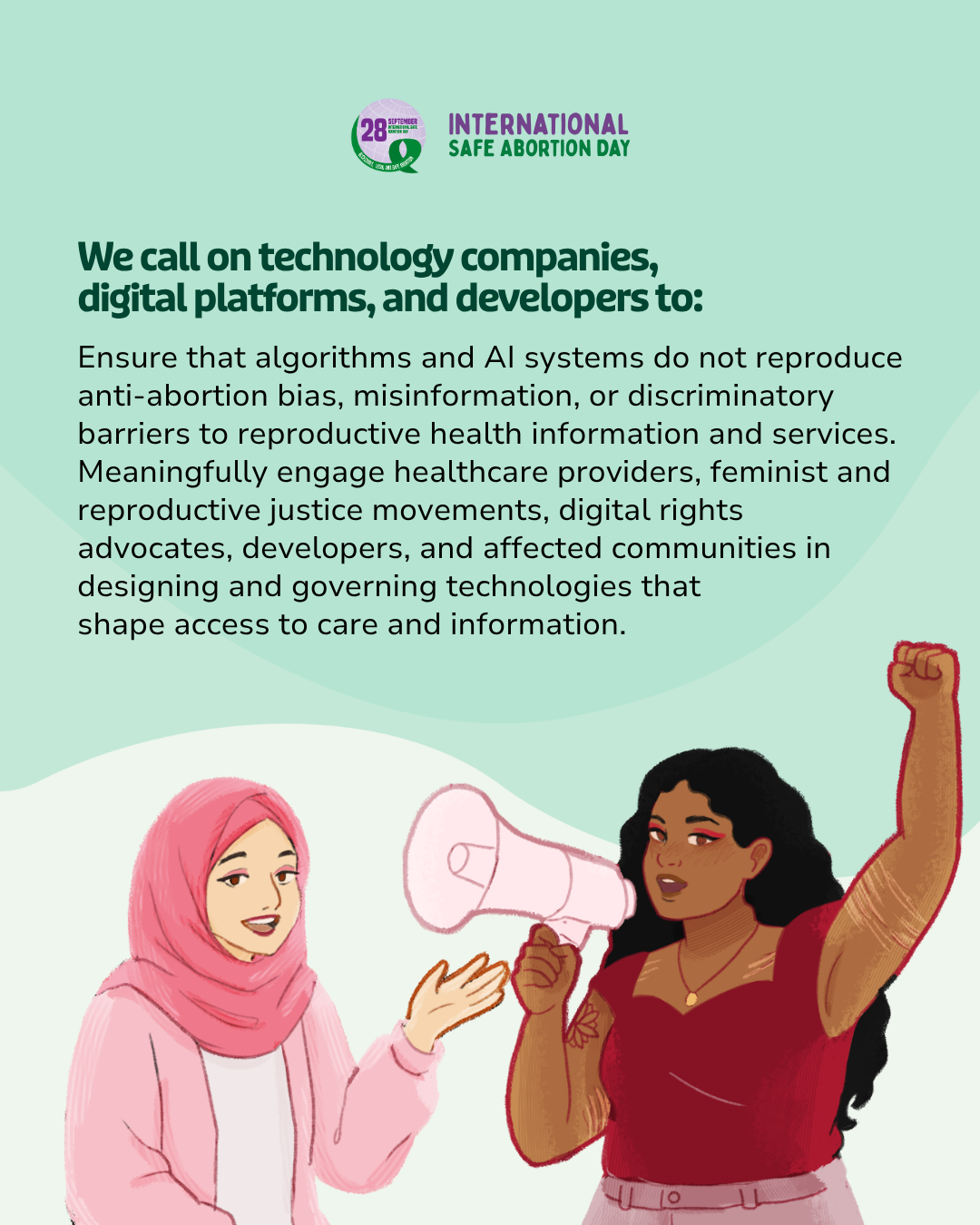
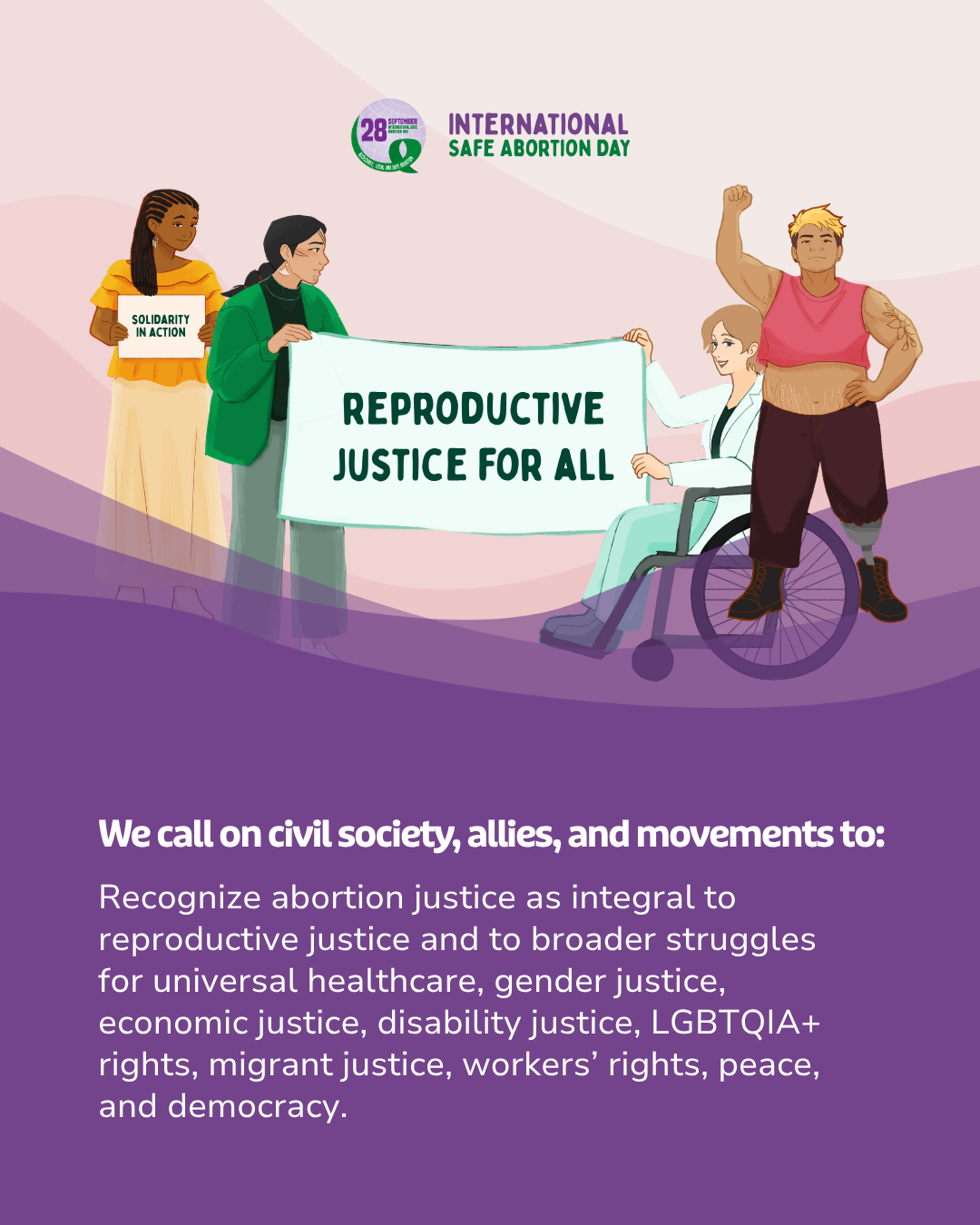
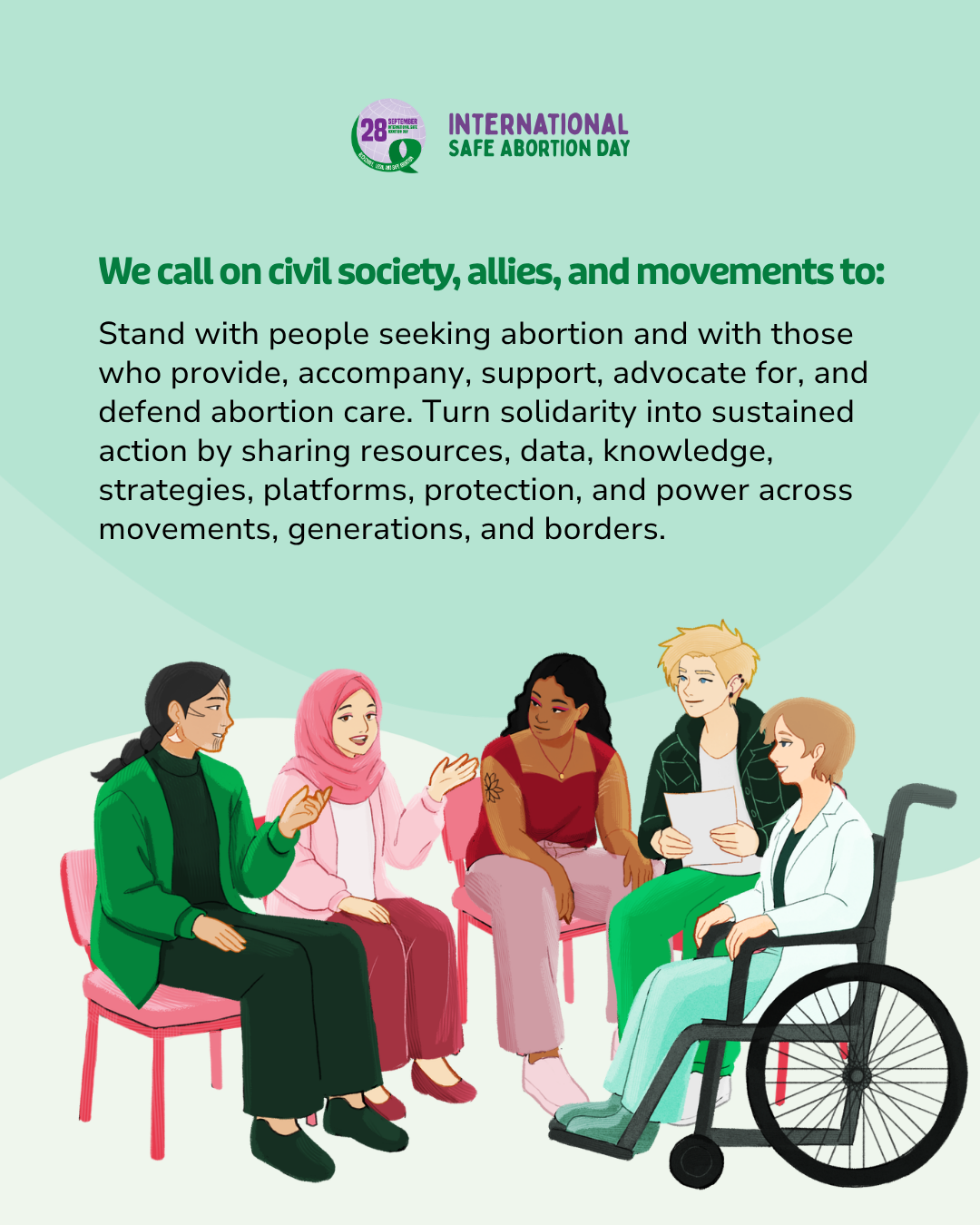
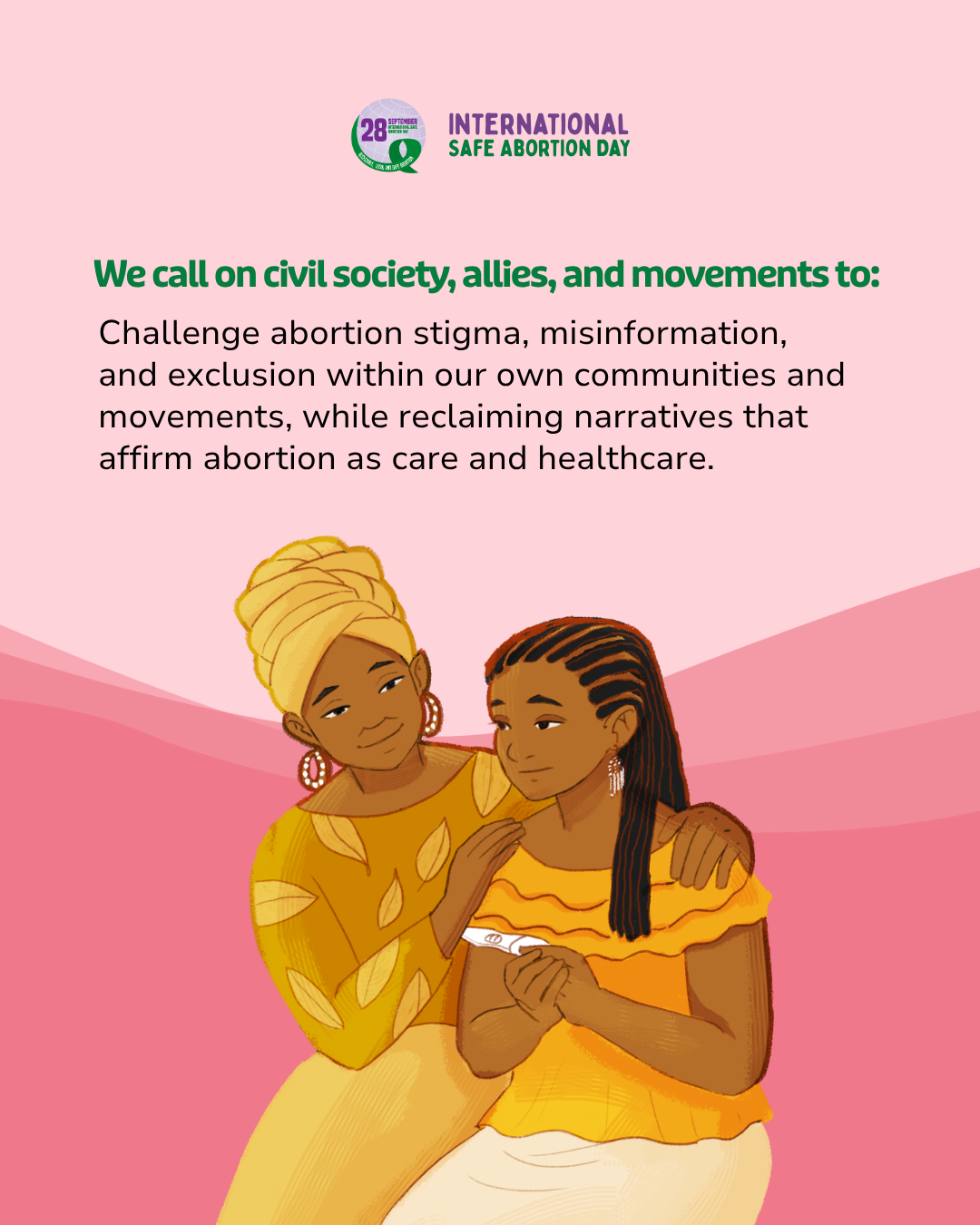
Ready-to-use social media cards
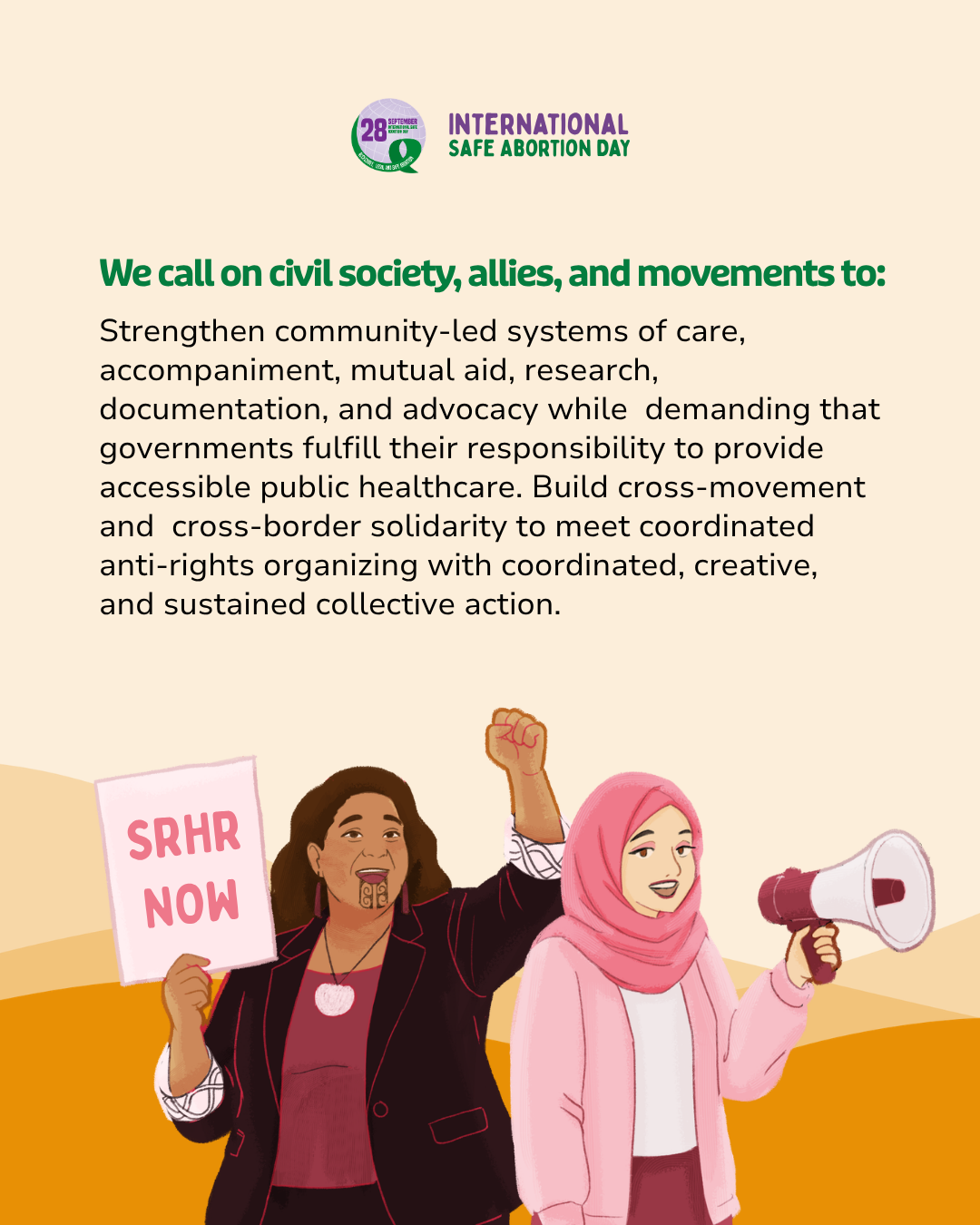
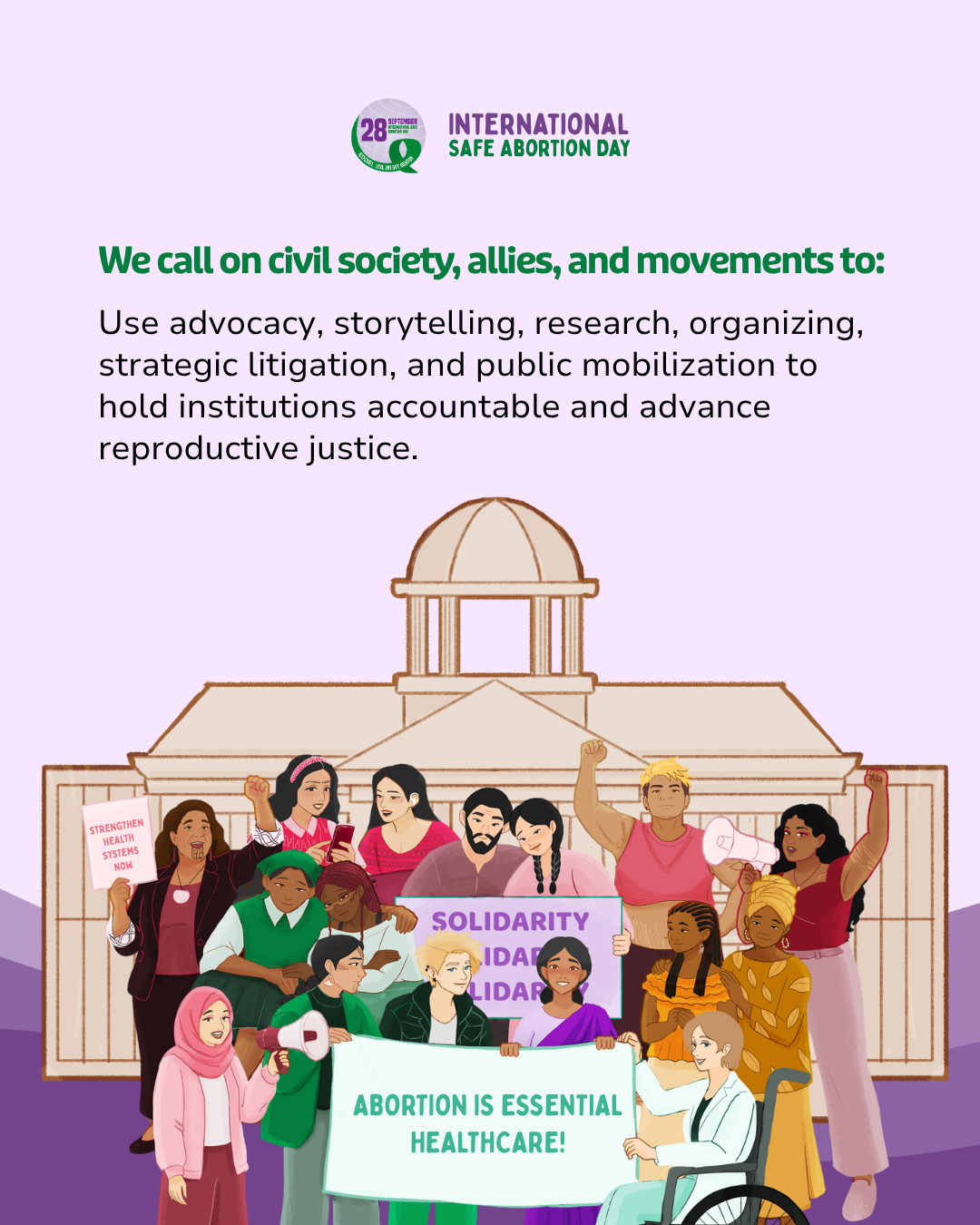
Upload a single card or a full set to amplify the demands across your platforms.
Customise the social media cardsPosting tips
Instagram allows up to 20 images per post. Meta Business Suite allows up to 10 images per post. Choose the format and number that works best for your page and audience.
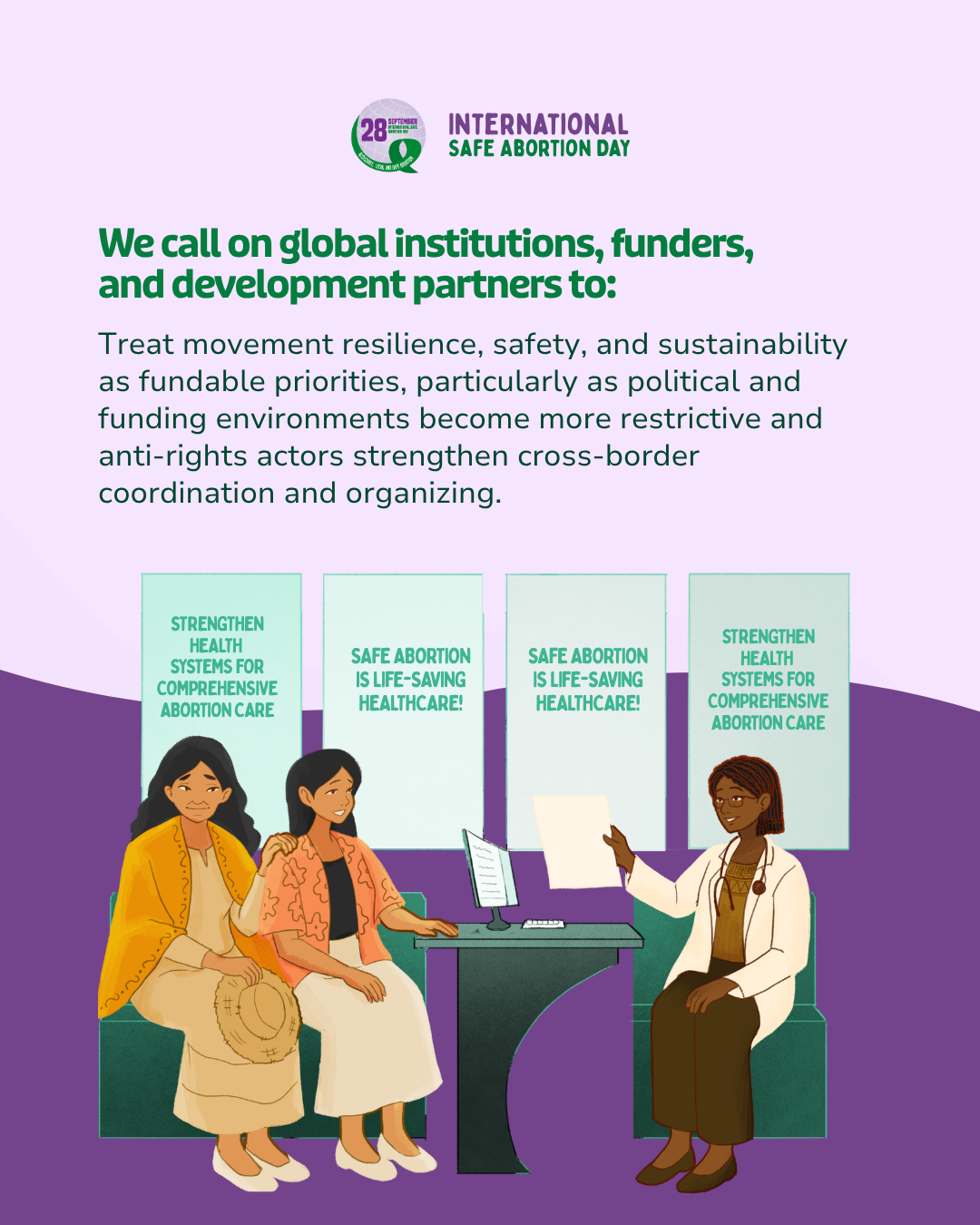

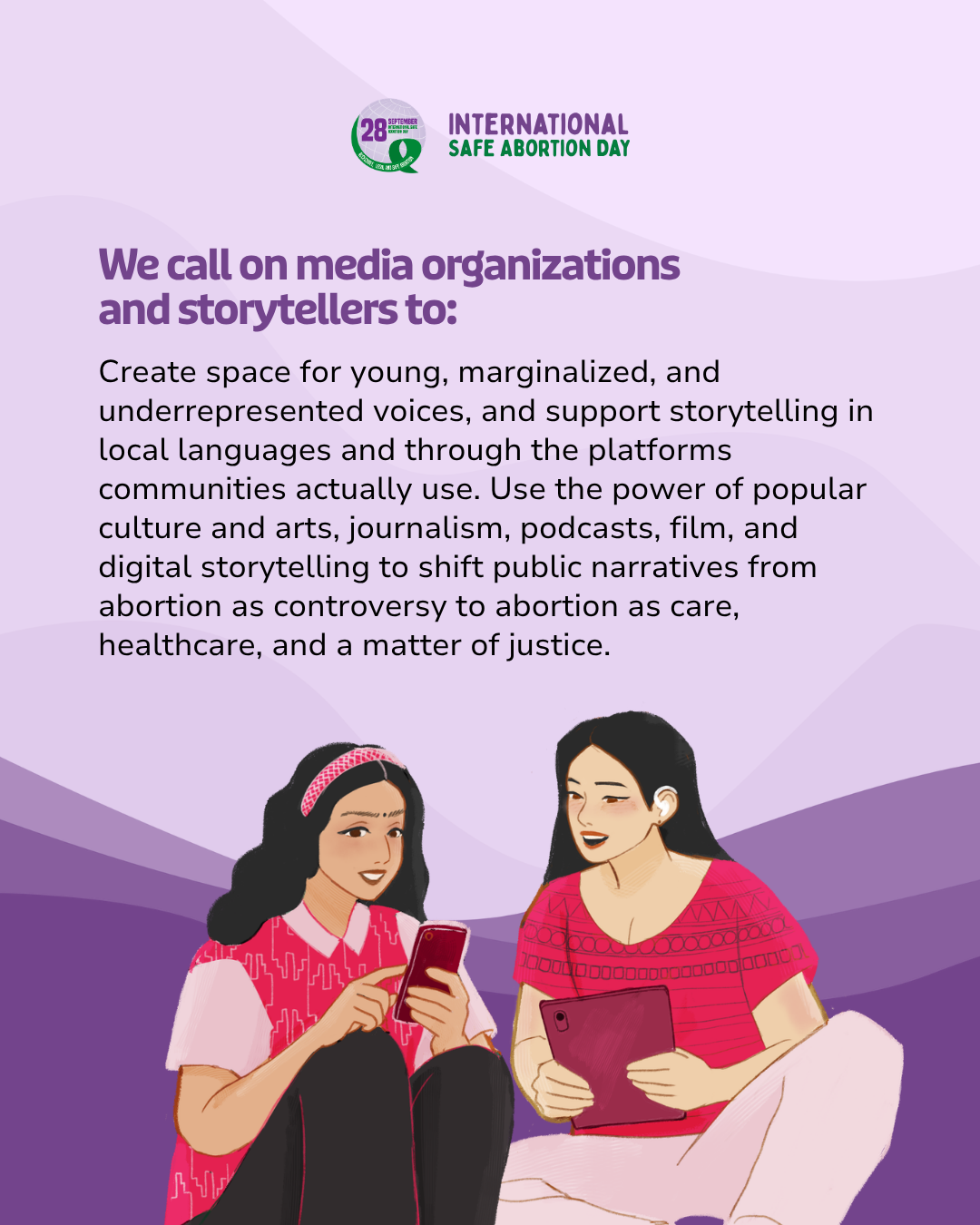

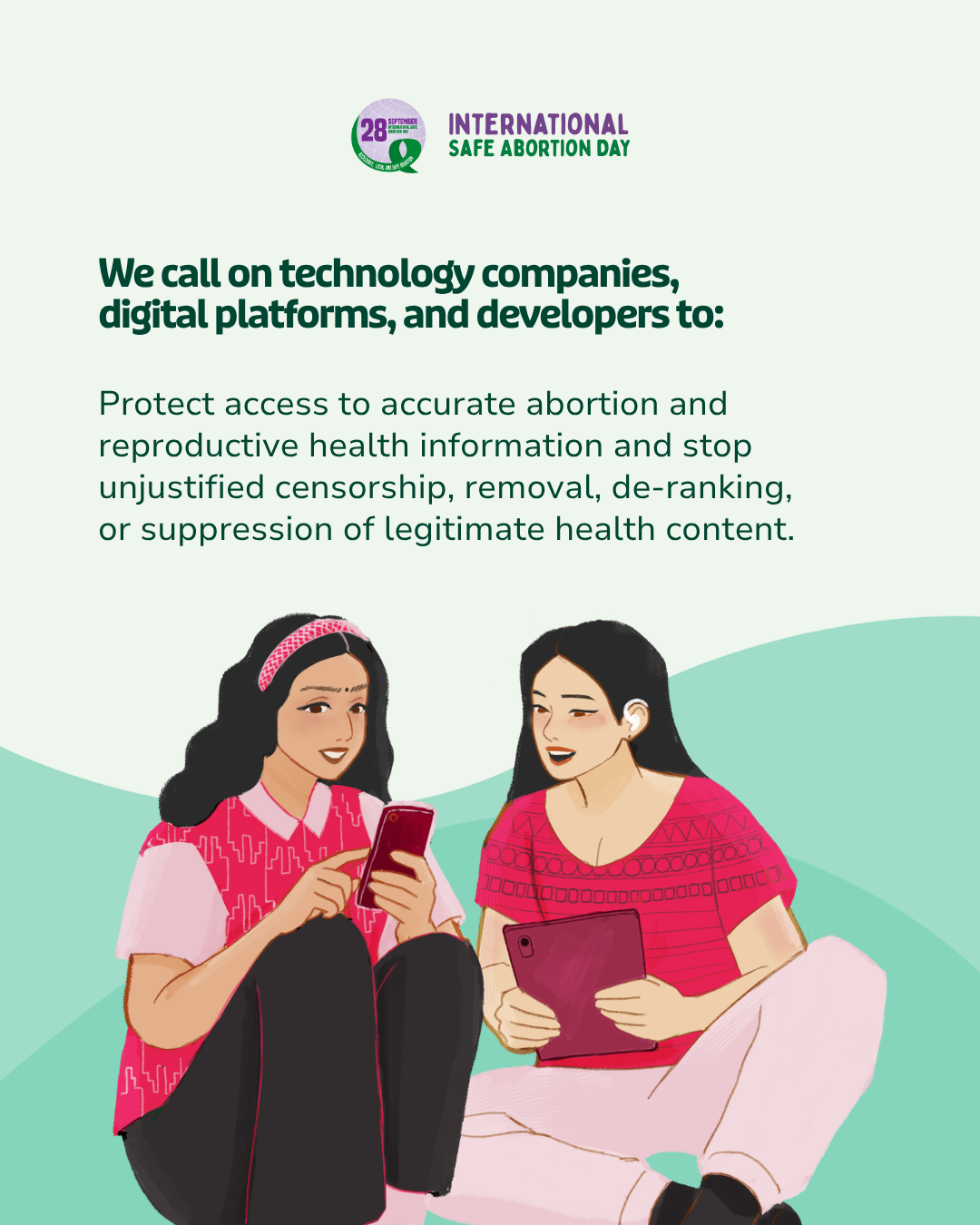

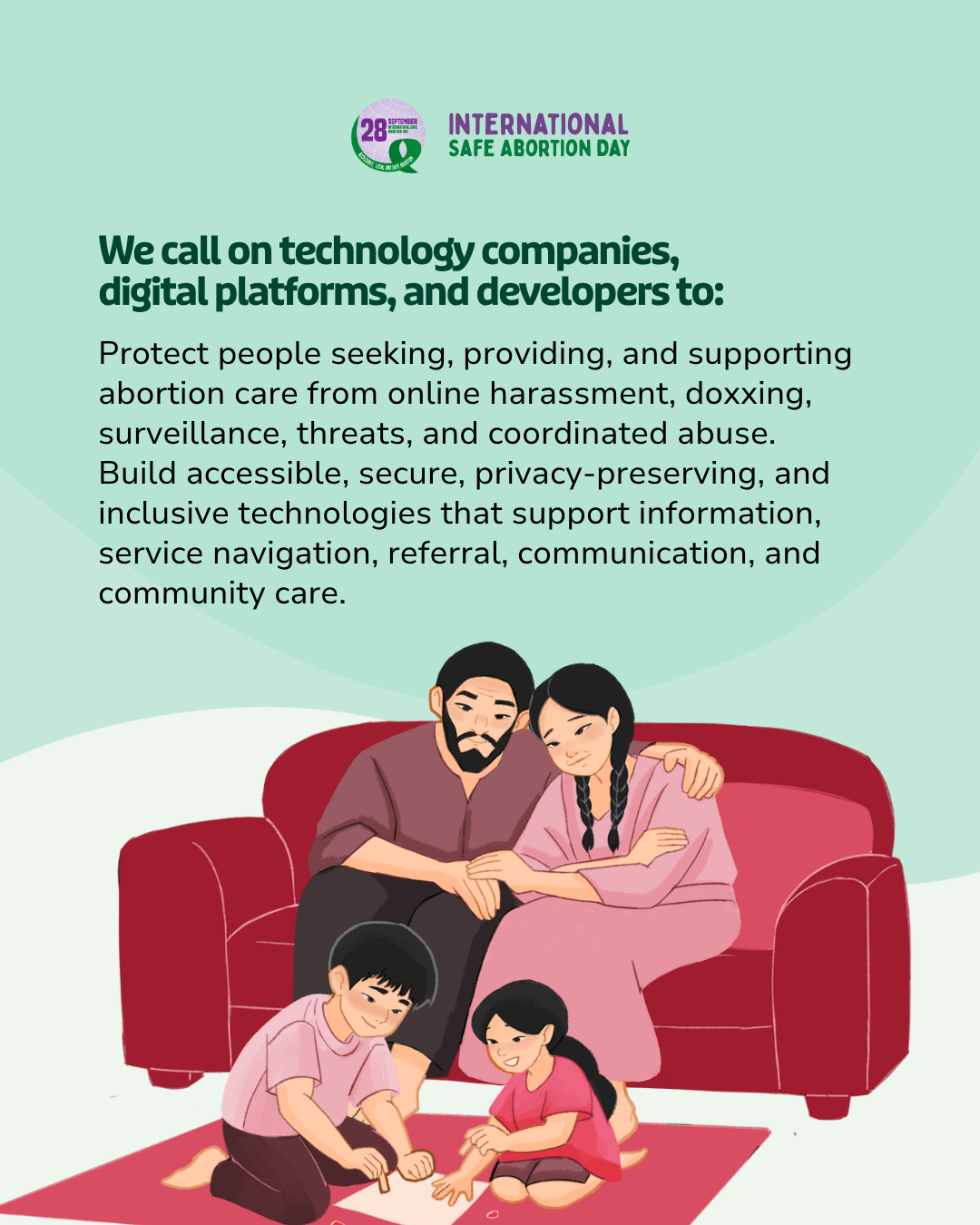


Section 4
Hashtags & tagging
Occupy digital space — include primary hashtags in every post, and write them in CamelCase so screen readers can parse each word.
Section 5
Suggested content plan
Global Month of Action for Safe Abortion — tap a week to open its key messages, ready to adapt for captions and posts.
Key messages +
Abortion is healthcare. Everyone deserves access to safe, timely, affordable, confidential, and respectful abortion care.
Comprehensive abortion care is an essential part of healthcare.
Abortion care should be provided with dignity, autonomy, safety, and support — not stigma, discrimination, coercion, or violence.
Comprehensive abortion care includes accurate information, counselling where desired, medical and procedural abortion, quality-assured medicines, trained providers, referrals, and post-abortion care.
Abortion cannot be separated from the health systems people rely on for care.
When health systems are strong, people are better able to access the full range of healthcare they need — including abortion care.
No one should be forced to continue a pregnancy or undergo an abortion.
No one should have to disclose personal reproductive decisions because of pressure from family, partners, communities, institutions, or healthcare providers.
Abortion care is care. Abortion care is healthcare. Abortion care is part of reproductive justice.
Key messages +
Reproductive justice means ensuring that people have the information, services, resources, and support needed to exercise their reproductive choices.
Where you live, how much you earn, your age, your disability, your identity, or your migration status should never determine whether you can access abortion care.
Reproductive rights do not disappear in times of crisis. Comprehensive abortion care must remain available during conflict, humanitarian emergencies, disasters, and other crises.
Key messages +
Strengthening health systems is inseparable from strengthening abortion care and sexual and reproductive health rights for all.
Health systems must confront structural inequalities and ensure culturally safe, community-responsive, and anti-racist models of care that reverse the ongoing effects of colonialism and discrimination.
Health systems need adequate funding, trained and supported healthcare workers, reliable medicines and supplies, and accessible referral pathways.
Key messages +
Everyone has a role to play in advancing reproductive justice — women and girls, gender-diverse people, men and boys, allies, communities, and movements can turn solidarity into action by listening, challenging stigma and harmful norms, sharing knowledge and resources, making space for diverse experiences and leadership, and working together for bodily autonomy and equitable access to comprehensive abortion care.
Solidarity in action means more than defending abortion rights when they are under threat. It means building the conditions in which those rights can be realized and sustained.
It means connecting movements with health systems, communities with providers, knowledge with action, and resources with the people and organizations doing the work.
Advancing reproductive justice and strengthening health systems requires sustained action, investment, organizing, and accountability.
September 28 may be a day of collective action, but reproductive justice is a commitment we carry forward — building connections, sharing resources and power, challenging stigma and misinformation, strengthening systems of care, supporting movements, and holding institutions accountable.
Section 6
Accessibility guidelines
Accessibility must be integrated into every stage of campaign planning, communications, and design — not added as a final step.
Use clear and simple language. Avoid overly technical or academic wording.
Structure documents using proper heading levels (H1 → H2 → H3) to support screen reader navigation.
Use descriptive hyperlinks — for example, “Read the Call to Action” instead of “Click here.”
Keep text left-aligned and use sentence case for easier reading and comprehension.
Provide alt text for all informative images, graphics, illustrations, and posters.
Ensure sufficient color contrast between text and background for readability.
Avoid flashing visuals or rapid animations that may trigger sensory sensitivities or seizures.
Add captions and subtitles to all video content and review them for accuracy before publishing.
Provide transcripts for videos, audio recordings, podcasts, and speeches where possible.
Write hashtags in CamelCase (e.g., #StrengthenHealthSystemsNow) to improve readability for screen readers.
Place emojis at the end of sentences, not at the beginning or in place of words.
When sharing infographics or data, provide text summaries or describe key findings in the caption.
Section 7
Get in touch